

More news on this day
Travel across the United States faced fresh turmoil this week as a surge of flight cancellations and delays at Phoenix Sky Harbor International Airport rippled through airline networks, disrupting itineraries from the West Coast to the East Coast at the height of the busy spring travel period.
Get the latest news straight to your inbox!
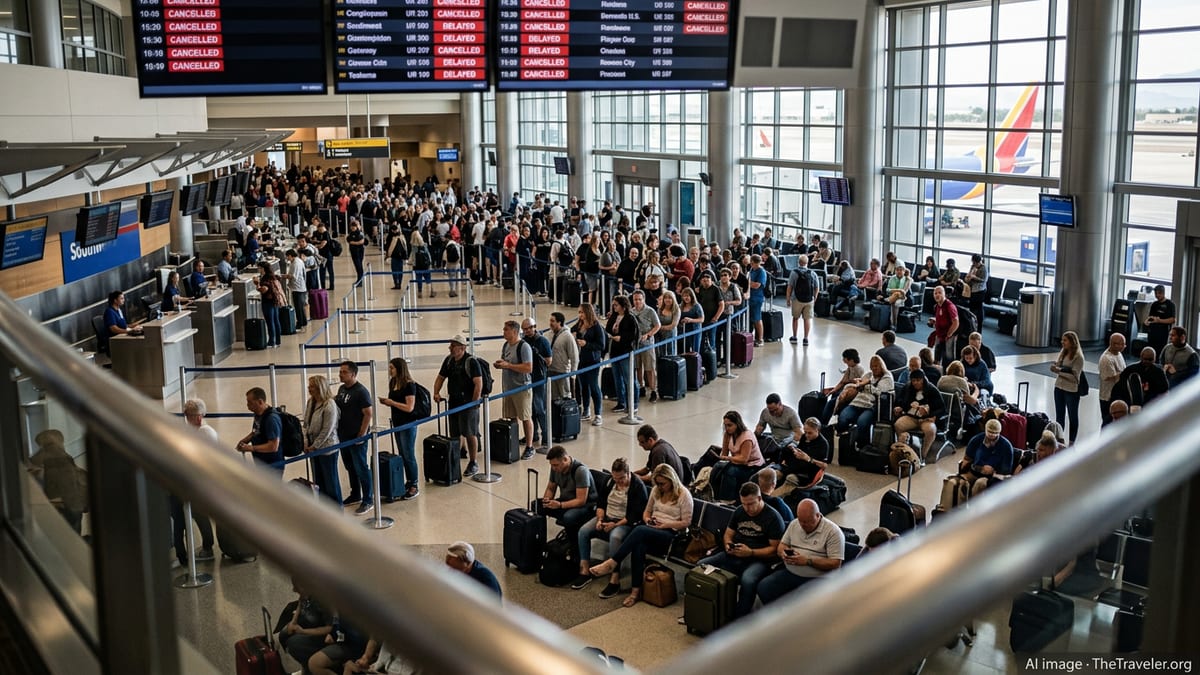
Chain Reaction as Cancellations Spread Beyond Phoenix
Publicly available flight-tracking data on Tuesday, March 17, indicated that Phoenix Sky Harbor had become one of several major hubs experiencing widespread disruption, with dozens of departures and arrivals scrubbed or significantly delayed as airlines struggled to reposition aircraft and crews after days of severe weather and operational strain elsewhere in the country.
While powerful storms and snow across the Midwest and eastern United States initially triggered the largest share of cancellations, the disruption quickly cascaded westward. Phoenix, a key connecting hub for domestic and transcontinental routes, has seen routes to and from cities across the country affected as carriers consolidate schedules and attempt to recover from earlier gridlock.
Reports from travelers and publicly available airline operations dashboards show that cancellations at Phoenix have not been limited to a single carrier or route. Instead, a cross-section of flights serving major hubs such as Dallas, Chicago, Denver and various West Coast cities have been affected, creating onward knock-on effects for connecting passengers and regional airports that rely on Phoenix for access to the national network.
The timing is especially challenging for travelers heading to and from college spring break destinations and major sporting events, including March basketball tournaments, who often depend on Phoenix as a key connection point. The resulting rebookings and missed connections are contributing to heavier-than-normal passenger volumes at customer service counters and gate areas.
Weather, Shutdown and Staffing Combine Into a Perfect Storm
The cancellations at Phoenix are part of a broader pattern of instability in the U.S. air travel system in mid-March. Recent winter storms that dumped snow across wide swaths of the Midwest and moved eastward have led to thousands of grounded flights, with major hubs in New York, Chicago and Atlanta also experiencing significant disruption over the past 48 hours.
At the same time, a partial federal government shutdown that began on February 14 continues to put pressure on airport staffing, particularly at security checkpoints. Published national coverage indicates that Transportation Security Administration operations have been strained in several cities, contributing to longer lines and creating additional time pressure for travelers trying to navigate already stressed schedules.
In Phoenix, travelers have described a system that feels on the edge. Recent social media and community forum posts from early March referenced long traffic back-ups around the terminals, questions about how much extra time to allow just to reach the curb, and concern over whether ordinary delays could now snowball into missed flights amid more frequent schedule changes.
Although Phoenix itself has not borne the brunt of the worst snow and ice, its role as a transfer hub means that disruptions elsewhere are quickly felt. Aircraft and crews arriving from storm-affected regions are often late or out of position, leaving airlines with limited options but to cancel or consolidate flights when recovery windows shrink.
Impact on Travelers Across the U.S. Network
The operational problems at Phoenix are being felt far beyond Arizona. Route maps and schedule data show that Sky Harbor sits at the center of a web of domestic connections, meaning that a cancellation in Phoenix often strands passengers in smaller regional airports or forces them to route through alternate hubs on short notice.
Travelers in cities that depend on Phoenix links for broader connectivity, including several smaller Western and Southwestern airports, have reported abrupt changes to their itineraries and, in some cases, the loss of convenient one-stop options to key destinations. In recent days, separate announcements about upcoming route suspensions to Phoenix from smaller markets have heightened concerns about the resilience of regional access to the national network.
Nationwide, the cumulative effect looks like rolling disruption rather than a single isolated incident. According to widely cited flight-tracking services, Monday, March 16 and Tuesday, March 17 saw hundreds of cancellations and more than a thousand delays across the United States, numbers that reflect both lingering weather issues and the continuing strain on airline and government operations.
For many passengers, this translates into longer overall journey times, unexpected overnight stays and a greater reliance on alternative routings through already busy hubs. With spring demand strong and aircraft generally flying full, the ability to re-accommodate disrupted travelers has become more constrained, particularly on popular leisure routes.
What Passengers Using Phoenix Sky Harbor Should Expect
For travelers scheduled to pass through Phoenix in the coming days, publicly available guidance from airlines and airport resources points to a few clear realities. First, same-day flight changes and rolling delays are likely to remain a feature as carriers work through backlogs and respond to shifting weather conditions in other regions.
Second, even when flights are operating, pressure on the airport’s landside infrastructure is expected to continue. Local discussions among Phoenix residents and frequent flyers in recent weeks have highlighted congestion on roads approaching Sky Harbor, with some drivers reporting unusually long waits simply to reach terminal curbs during peak times.
Third, security screening remains an important variable. While current checkpoint wait times vary by terminal and time of day, the broader national context of staffing constraints tied to the government shutdown has prompted many travel commentators to recommend arriving earlier than usual, especially for morning departures and flights that connect to tightly timed itineraries.
Travelers are also finding that digital tools, once considered optional, are becoming essential in navigating the current environment. Airline apps, text alerts and airport social media feeds can provide near real-time updates on gate changes, rolling delays and rebooking options, giving passengers a better chance to adjust plans quickly when schedules shift.
How Airlines and the Airport Are Working to Recover
Airlines operating at Phoenix Sky Harbor have been adjusting flight schedules in an effort to stabilize operations, using a mix of preemptive cancellations and recovery flights to bring aircraft and crews back into balance. In some cases, carriers have issued travel waivers for certain regions affected by storms, allowing passengers to change itineraries without standard penalties when disruptions are likely.
Airport operations teams continue to manage the flow of aircraft on the ground, balancing arriving and departing traffic amid slot constraints and the broader national strain on air traffic control. Historical experience from previous winter storms and systemwide disruptions suggests that recovery can take several days even after weather conditions improve, especially when congestion is spread across multiple major hubs.
Travel industry analysts note that this latest episode of travel chaos at Phoenix comes on the heels of a difficult winter for U.S. aviation more broadly, including a major late-January winter storm that produced some of the highest single-day cancellation totals since the early months of the pandemic. That earlier event left airlines with little spare capacity heading into the busy spring period now under way.
With March travel demand building and uncertainty surrounding the duration of the government shutdown, observers expect that operational resilience at hubs like Phoenix will remain under scrutiny. For now, travelers planning to use Sky Harbor are being urged by publicly available advisories and expert commentary to remain flexible, monitor their flights closely and build extra time into every step of the journey.