

More news on this day
Hundreds of travelers were left sleeping on concourse floors and lining up at customer service desks at Newark Liberty International Airport on Thursday after a fresh wave of more than 100 flight cancellations and over 200 delays rippled across United, Republic, GoJet, Lufthansa, Spirit and several other carriers, snarling key routes to Los Angeles, Boston, Columbus, London, Washington and beyond.
Get the latest news straight to your inbox!
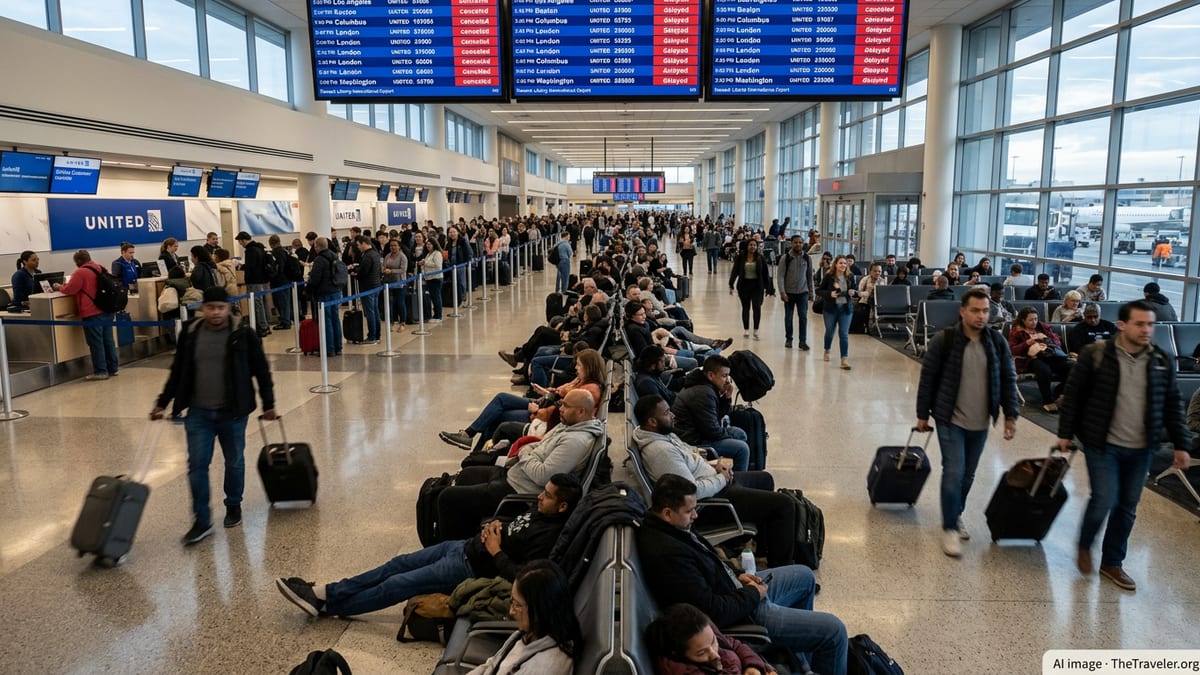
Systemwide Disruptions Hit Newark on Busy Travel Day
The disruptions unfolded through the morning rush and into the afternoon at Newark Liberty, one of the country’s busiest hubs, as departure boards filled with red "canceled" and "delayed" notices. Airport officials said the bulk of the problems centered on congested mid-morning and early evening departure banks, when domestic and international banks of flights overlap.
United Airlines, which operates the largest hub at Newark, was hit hardest, with dozens of mainline and United Express flights scrubbed or pushed back by several hours. Regional partners Republic Airways and GoJet, which handle a significant portion of United’s shorter-haul flying to cities such as Boston and Columbus, were forced to cancel and consolidate frequencies as operations deteriorated.
Low-cost carrier Spirit Airlines also reported a string of disruptions on its high-demand routes to Florida and the Midwest, while Lufthansa’s transatlantic services to major European gateways, including London and other connecting hubs, faced rolling delays. Passengers with tight connections saw itineraries unravel as missed links cascaded through the network.
By early evening, the knock-on effects were being felt at airports nationwide, from Los Angeles and Washington to secondary markets that rely on Newark as a primary connecting point. Some travelers reported being rebooked a day or more later, with remaining seats on alternative departures scarce and expensive.
Weather, Congestion and Staffing Combine in a Perfect Storm
A fast-moving weather system sweeping across the eastern United States set the stage for the latest breakdown, with strong winds and low cloud ceilings reducing arrival and departure rates into Newark. The storm collided with a network already operating near capacity limits, making it difficult for airlines to recover when the first round of delays hit.
Newark has been operating under federal caps on arrivals and departures, imposed by the Federal Aviation Administration in an effort to tame chronic congestion and improve on-time performance. While those limits are designed to make the airport more resilient, they also reduce flexibility on days when weather or equipment problems force airlines to compress their schedules.
Industry analysts say lingering air traffic control staffing challenges in the Northeast corridor, together with ongoing construction and runway maintenance at Newark, have left little margin for error. When a key early bank of departures is slowed or grounded, later flights have fewer open slots to absorb delays, leading carriers to proactively cancel entire rotations.
Several airlines have acknowledged that they prioritize canceling smaller regional jets over larger aircraft when forced to trim schedules, a strategy that lessens the total number of affected passengers but concentrates disruption on routes to smaller and mid-sized cities. This often leaves business and leisure travelers in places like Columbus or secondary Boston-area airports with limited same-day options.
Travellers Face Long Queues, Thin Information and Limited Options
Inside Newark’s terminals, long lines quickly formed at check-in counters and customer service desks as stranded passengers sought rebooking assistance, hotel vouchers and meal credits. Many reported spending hours in queues only to be told that the next available seat on their route was not until the following day, or that only standby options remained.
Some travelers described difficulty getting clear information about the root causes of their cancellations and the likelihood of departures later in the day actually operating. Conflicting explanations citing weather, air traffic control and "operational" issues left many uncertain about whether to remain at the airport or attempt to reroute via other hubs in New York, Philadelphia or even farther afield.
Families with young children, elderly passengers and international visitors appeared particularly hard hit, with limited availability of nearby hotel rooms adding to the stress. As the evening wore on, rows of passengers camped out on the floor near charging stations and in food courts, improvising makeshift beds out of jackets and carry-on bags.
While some airlines offered travel waivers allowing customers to move trips to different days without change fees, the rush to secure alternative flights meant that popular destinations such as Los Angeles, London and Washington filled quickly. Travelers with multi-leg itineraries involving partner airlines or separate tickets faced additional complications in coordinating changes across multiple carriers.
Major Domestic and Transatlantic Routes Bear the Brunt
Key domestic corridors felt the impact throughout the day, particularly high-frequency routes linking Newark with Los Angeles and Boston. Flyers on those routes reported multiple back-to-back cancellations and heavy overbooking on the few flights that did depart, leading to upgraded aircraft where possible but also leaving many would-be passengers at the gate.
Service to Columbus and other Midwestern cities, largely operated by regional partners Republic and GoJet, saw a cluster of morning and early afternoon cancellations. With fewer direct options and limited alternate service from nearby airports, many travelers from those markets faced overnight stays or lengthy detours through secondary hubs.
Across the Atlantic, Lufthansa and other alliance partners struggled to maintain their long-haul schedules, as late-arriving aircraft and crew duty-time limits forced pushes and, in some cases, outright cancellations. Delayed departures from Newark cascaded into missed onward connections in Europe, prompting emergency rebookings and overnight accommodations for connecting passengers.
Airport observers noted that disruptions on these trunk routes have an outsized effect on the broader system. A canceled or heavily delayed Los Angeles or London departure from Newark can means hundreds of passengers needing new itineraries, creating a surge of demand for already-limited seats on competing flights from other New York-area airports.
What Passengers Can Do as Newark Turbulence Continues
With federal caps on flight operations at Newark set to remain in place through at least late 2026, experts say travelers using the airport should be prepared for periodic bouts of disruption, particularly during peak travel seasons and active weather patterns. They recommend monitoring flight status closely in the 24 hours before departure and enrolling in airline and airport alerts for real-time updates.
For those with critical same-day commitments or tight connections, building in longer layovers or considering alternative airports in the New York region may provide a measure of insurance. Some travel advisors also suggest booking earlier departures where possible, since morning flights tend to be less affected by the cumulative effect of delays that build throughout the day.
Passengers whose flights are canceled or severely delayed may be entitled to rebooking, meal vouchers or hotel accommodations, depending on the reason for the disruption and airline policies. Consumer advocates urge travelers to document communications with carriers and keep receipts for unexpected expenses, which can support later reimbursement requests or claims where applicable.
For now, as operations slowly normalize, stranded travelers at Newark continue to wait for open seats and clearer skies. The latest episode underscores how a combination of weather, structural capacity limits and staffing strains can still bring one of the nation’s critical aviation gateways to a halt, leaving thousands of journeys in limbo.