

More news on this day
Passengers at Orlando International Airport faced extensive disruption today as tracking data showed 209 flights delayed and 3 cancelled, snarling operations for major airlines and leaving crowds of travelers facing long waits and missed connections.
Get the latest news straight to your inbox!
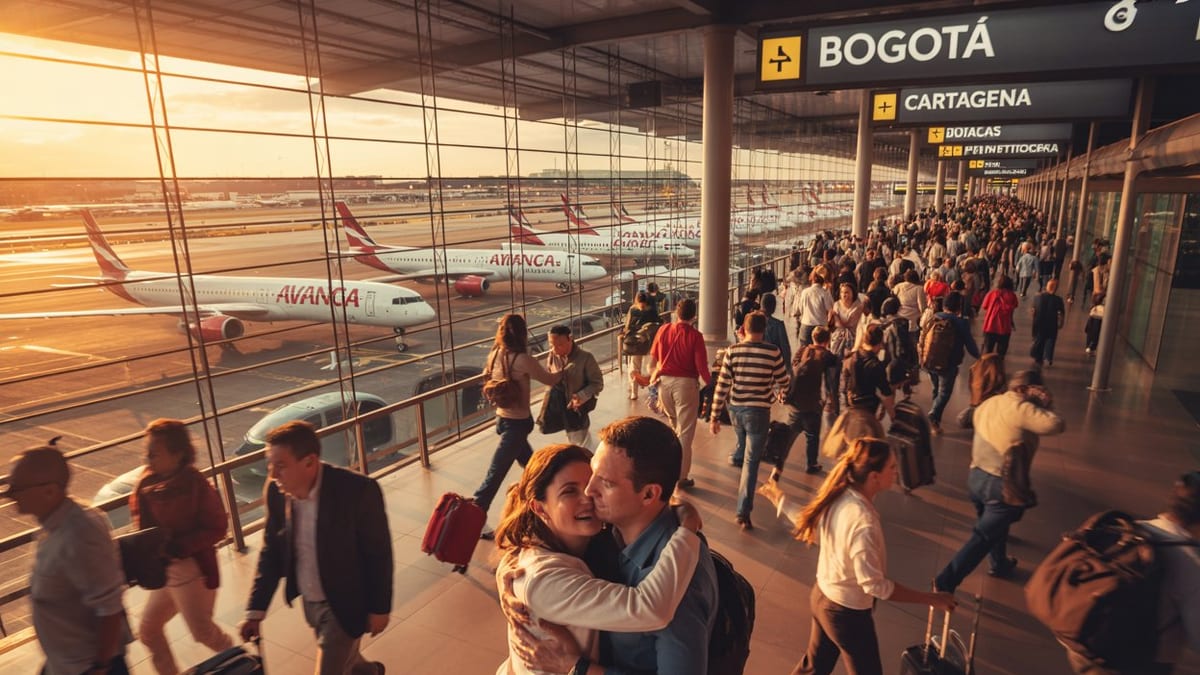
Image by Travel And Tour World
Heavy Operational Disruption Across MCO
Publicly available flight tracking information indicates that Orlando International Airport experienced one of its more challenging operational days of the season, with well over two hundred departures and arrivals delayed. While outright cancellations remained relatively limited, the scale of delays created a ripple effect through the airport’s crowded terminals and gate areas.
Flight status boards for Sunday showed delays affecting a broad mix of domestic and international services, including routes to major hubs in the Northeast and Midwest as well as transatlantic connections. The pattern of disruption suggested a combination of local congestion and broader network issues cascading into central Florida.
The latest disruption comes at a time when Orlando is handling strong leisure and convention traffic, putting added pressure on airlines and the airport’s infrastructure. Even a modest number of cancellations, combined with a large volume of delays, can quickly translate into hours of uncertainty for families, business travelers, and international visitors.
Travel analysts note that Orlando’s role as a major tourist gateway means irregular operations can have wider tourism impacts, especially for passengers with cruise departures from nearby Port Canaveral or time-sensitive theme park reservations.
Major Airlines See Schedules Slowed
According to data compiled from live flight tracking boards, several leading carriers with sizable operations at Orlando were among those affected. American Airlines, Delta Air Lines, and United Airlines all showed multiple late departures and arrivals throughout the day, with some services pushed back by more than an hour.
Reports from aviation data providers also show that SWISS, which operates long haul services linking Orlando with Europe on a seasonal basis, was among the international airlines experiencing knock-on delays. Even when such flights remain scheduled to operate, extended ground holds and late inbound aircraft can compress turn times and contribute to further timetable slippage.
While only three Orlando flights were fully cancelled, the uneven spread of delays meant some individual airlines were forced to rebook passengers or adjust crew rotations. When a hub carrier’s flight from Orlando arrives late into another major airport, it can jeopardize onward connections for dozens or hundreds of passengers.
The disruption underscored how a single day of irregular operations can strain airline contingency plans, particularly at airports where multiple large carriers share key departure banks at similar times of day.
Possible Weather, Airspace, And Staffing Factors
As of Sunday evening, publicly accessible aviation system updates pointed to a mix of contributing factors rather than a single clear cause for the widespread delays at Orlando. Recent days have seen intermittent thunderstorms and rapidly changing weather across parts of Florida, conditions that can trigger ground stops, ramp closures, or reduced arrival rates even when skies later appear clear.
In other recent episodes affecting the region, advisories referencing air traffic control staffing constraints have also slowed operations. When traffic management programs are instituted for central Florida airspace, airports such as Orlando often must absorb extended spacing between arrivals and departures, leading to longer queues both in the air and on the ground.
Industry observers stress that delays are frequently the result of several overlapping pressures: weather systems moving through key routes, crew duty-time limitations, temporary shortages of available aircraft, and congestion at connecting hubs. Orlando’s role in many multi-leg itineraries means that disruptions at distant airports can quickly manifest as late arrivals to Florida and, in turn, delayed departures.
Given the complexity of modern airline networks, a relatively small number of initiating events can multiply across thousands of passengers in a matter of hours, especially on high-demand travel days.
Impact On Passengers And Regional Travel Plans
The operational slowdown left many Orlando passengers coping with extended waits in departure lounges and at gate areas. Families returning from theme parks or cruises, as well as international visitors with fixed return dates, faced the prospect of rearranging ground transportation, hotel stays, and other plans when their flights were significantly delayed.
Travel forums and social media posts from the day highlighted reports of long lines at customer service desks as travelers sought alternative routings or reassurance about tight connections. In some cases, passengers connected through other major hubs, only to face additional delays downstream as wider schedule disruptions worked their way through airline networks.
Orlando’s importance as a starting and ending point for cruise vacations meant that some travelers were especially time sensitive. Delayed arrivals into central Florida raised the risk of tight turnarounds for cruise departures, while late departures complicated same-day returns home after cruises docking at Port Canaveral.
Regional tourism operators keep a close eye on such operational days, as recurrent travel disruption can discourage last-minute bookings or lead visitors to add extra buffer days to itineraries, raising costs but providing more margin against future delays.
Advice For Travelers Using Orlando In The Coming Days
With delays at Orlando reaching into the hundreds of flights, travel experts suggest that passengers scheduled to use the airport in the next several days take additional precautions. Publicly available industry guidance typically recommends arriving earlier than usual, especially during peak morning and late-afternoon bank periods when multiple airlines operate tightly stacked departures.
Passengers are also encouraged to monitor flight status tools from airlines and flight tracking platforms closely in the 24 hours before departure. Patterns evident today, including rolling delays and late-arriving inbound aircraft, indicate that flight times may shift repeatedly before boarding actually begins.
For itineraries involving connections, many seasoned travelers recommend allowing longer layovers than usual, particularly when transferring through congested hubs on the East Coast or in the Midwest. A delay of even 45 to 60 minutes departing Orlando can be enough to jeopardize a short connection when broader airspace programs are in effect.
While the majority of today’s flights at Orlando ultimately operated, the volume of delayed services illustrates how quickly a busy airport can become strained. Travelers planning trips through MCO may benefit from building flexibility into their schedules, purchasing changeable tickets where possible, and preparing for the possibility of spending more time in the terminal than initially expected.