

More news on this day
Severe spring storms and peak Easter passenger volumes combined over the holiday weekend to trigger mass delays and cancellations at Chicago O’Hare International Airport, turning one of the nation’s busiest hubs into a major choke point for U.S. air travel.
Get the latest news straight to your inbox!
Storm Systems Stall Operations Across the Midwest
Publicly available aviation and weather data show that a series of fast‑moving storm systems sweeping across northern Illinois and the wider Great Lakes region repeatedly interrupted operations at O’Hare in the days surrounding Easter Sunday. Lines of thunderstorms, pockets of hail and strong crosswinds forced air‑traffic managers to slow arrivals and departures, periodically imposing ground stops and extended ground delay programs for flights bound to or from Chicago.
Coverage from regional outlets reported that at several points in the run‑up to the holiday, the Federal Aviation Administration implemented ground stops at O’Hare as thunderstorms moved through the metro area, leading to cascading delays on departing flights and long stretches of holding for inbound aircraft. In some cases, average departure delays stretched well beyond an hour as controllers spaced out traffic for safety during the most intense weather cells.
The timing of the storms amplified their impact. Systems that arrived during already busy morning and evening push periods sharply reduced the number of aircraft that could land or take off in each hour. As capacity tightened, flights slotted for later in the day were pushed back, creating a rolling backlog that stretched into the holiday weekend and affected travelers across multiple time zones.
Easter Rush Magnifies a Hub Bottleneck
O’Hare’s role as a central hub for several large carriers turned those weather disruptions into a national problem during one of the busiest travel periods of the spring. Travel industry reports indicate that airlines had scheduled dense Easter and late March timetables through Chicago, with high load factors and limited slack in the system as carriers sought to capture strong holiday demand.
When thunderstorms and ground delay programs hit on the Thursday and Friday before Easter Sunday, flights into and out of O’Hare quickly stacked up. Flight‑tracking data compiled by multiple outlets over the weekend showed hundreds of delays and dozens of cancellations concentrated at the airport on peak days, as carriers struggled to rotate aircraft and crews through the disrupted hub.
Because many passengers at O’Hare are connecting between other domestic and international routes, disruptions rippled outward across the network. Reports from travel news services noted that delays and cancellations in Chicago affected services to destinations in the United States, Canada and Europe, with knock‑on impacts at airports such as Frankfurt and Zurich as aircraft and crews failed to arrive as scheduled.
Nationwide Disruption With O’Hare at the Center
Although Easter travel difficulties were felt across the United States, multiple sets of flight data and travel‑industry analyses highlighted Chicago O’Hare as one of the most heavily affected hubs. Nationally, tracking services recorded thousands of delayed flights and several hundred cancellations over the core Easter period, with major airports in Dallas, Atlanta and Orlando also reporting significant disruption.
Within that broader pattern, O’Hare consistently appeared near the top of national rankings for delays and cancellations over successive days leading into the holiday. A recent breakdown from a travel trade publication indicated that on one of the most heavily disrupted days, O’Hare alone saw more than 600 delayed flights and close to 90 cancellations, affecting operations across a wide range of carriers serving the airport.
Those figures came on the heels of earlier March storms that had already stressed airlines and infrastructure in the region, setting the stage for a fragile operating environment as Easter approached. With aircraft and crews still cycling back into position from prior weather events, even relatively brief reductions in capacity at O’Hare translated into lengthy queues on taxiways and crowded gate holds as flights waited for space to depart or arrive.
Knock‑On Effects for Airlines and Passengers
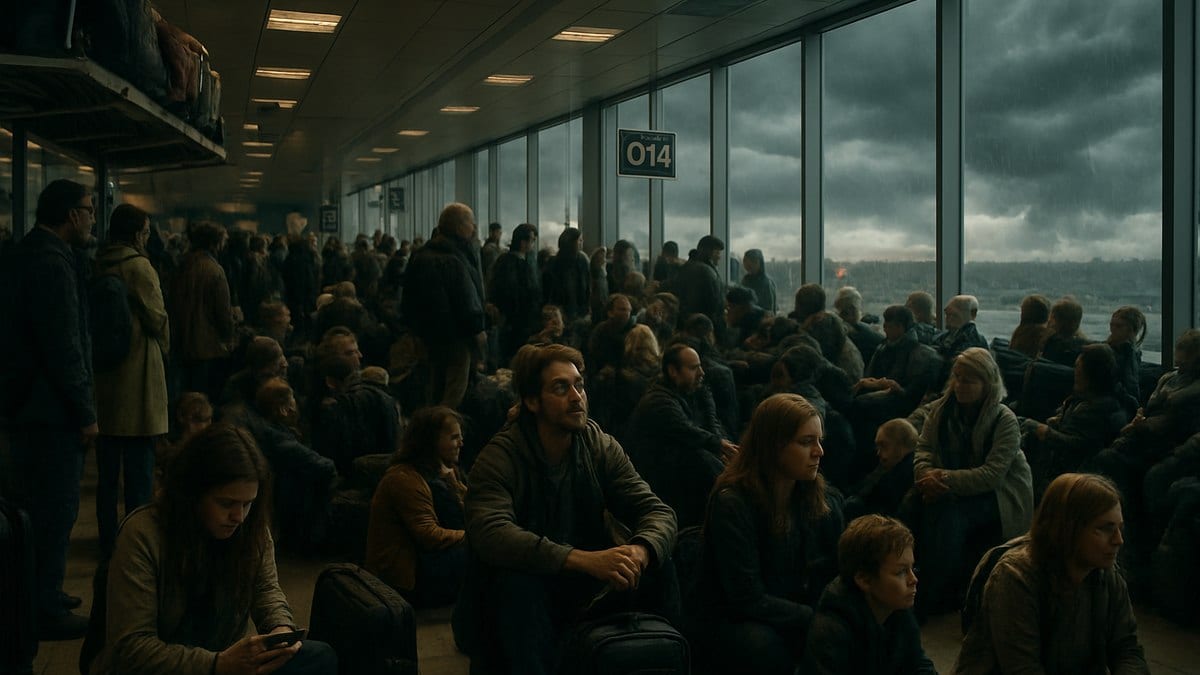
The convergence of weather, volume and hub complexity produced a difficult experience for many travelers passing through Chicago over the holiday weekend. Publicly accessible accounts and media coverage described long lines at check‑in and security, crowded gate areas and passengers struggling to secure rebooked itineraries as flights filled up or were removed from schedules.
Operationally, airlines faced a familiar set of challenges at O’Hare. Once a wave of delays took hold, carriers needed to balance limited aircraft and crew availability across a large network, often prioritizing certain trunk routes while trimming or consolidating others. Travel reports noted that smaller regional services into and out of Chicago experienced a significant share of the cancellations, as airlines sought to preserve capacity on higher‑demand routes during the peak return days.
On the passenger side, the tight Easter schedule left limited flexibility. With many flights already near capacity, travelers whose trips were disrupted sometimes encountered waits of many hours or the prospect of overnight stays before a replacement seat became available. Consumer advocates cited the episode as another example of how little buffer is left in modern peak‑period schedules once disruptive weather hits a major hub.
Looking Ahead to a Stormy Spring Travel Season
The O’Hare Easter disruption is unfolding against a backdrop of broader volatility in U.S. air travel, where strong demand, evolving weather patterns and persistent staffing pressures have made large‑scale disruptions more common in recent years. Publicly available meteorological outlooks point to an active spring storm season in the Midwest, suggesting that Chicago and other central hubs could continue to see weather‑related strain in the months ahead.
At the same time, industry data and government reports indicate that airlines have been operating with historically high load factors on many routes, especially around holiday periods. That combination of full flights and increasingly frequent severe weather events means that when a hub such as O’Hare encounters a multi‑day series of storms, the impact can spread quickly and take several days to unwind.
Travel analysts tracking the Easter weekend disruptions note that the situation at O’Hare underscores the importance of monitoring forecasts and flight status closely when connecting through major hubs during peak periods. While weather ultimately dictates how much traffic can safely move, the experience this Easter suggests that even short‑lived storm systems can translate into mass delays and cancellations when they intersect with a heavily booked holiday travel rush at one of the country’s most important connecting airports.