

More news on this day
Thousands of air travelers were left stranded across Germany today as widespread disruption at major hubs in Berlin, Frankfurt, Munich, Hamburg and Stuttgart led to at least 60 flight cancellations and nearly 1,000 delays, snarling operations for Lufthansa, Condor, Pegasus Airlines, Air Dolomiti, Eurowings and several other carriers at the start of the busy spring travel period.
Get the latest news straight to your inbox!
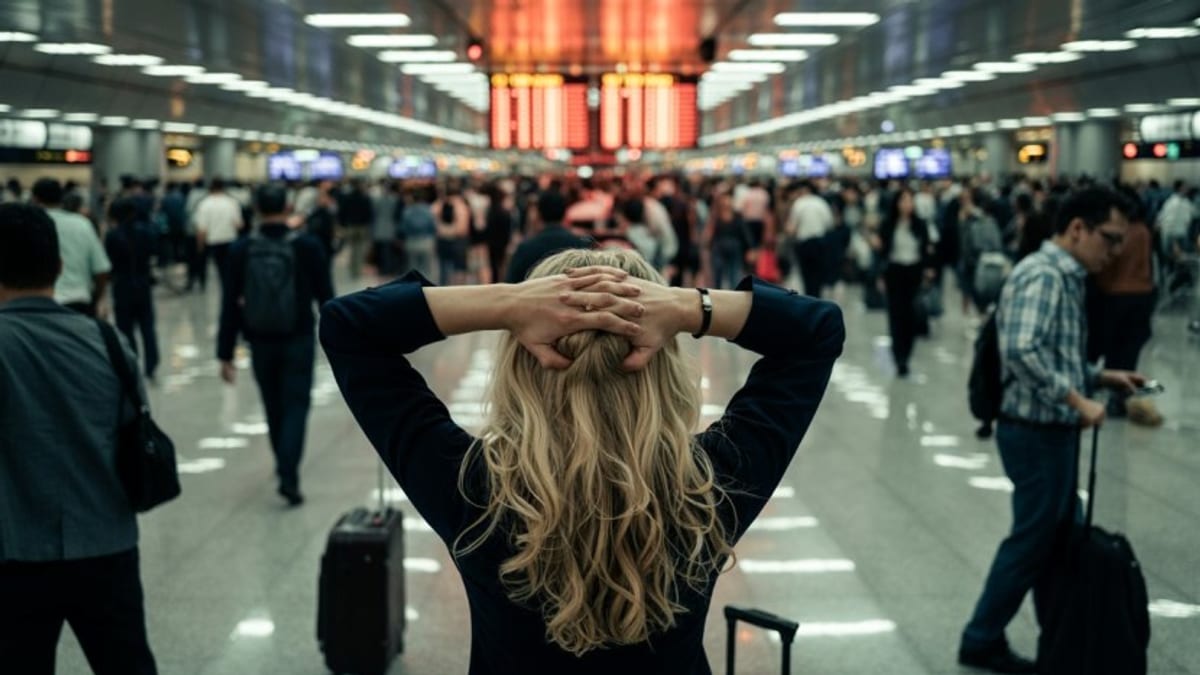
Image by Travel And Tour World
Major German Hubs Hit by Cascading Operational Disruption
Published coverage and live airport data indicate that Germany’s largest airports faced severe operational disruption, with knock-on effects rippling across domestic and international networks. The number of flights affected is especially striking given the relatively limited outright cancellations compared with the much higher tally of delayed departures and arrivals.
At least 60 flights were reported canceled across Berlin Brandenburg, Frankfurt, Munich, Hamburg and Stuttgart, while around 975 flights experienced significant delays. The imbalance between cancellations and delays suggests that airports and airlines attempted to keep as much of the schedule operating as possible, even at the cost of extended waits, missed connections and late-night arrivals.
The disruption hit a mix of short haul and medium haul routes, with feeder services to larger hubs particularly vulnerable. As aircraft and crews fell out of position, delays compounded over the course of the day, leaving passengers facing hours in terminal queues and crowded gate areas as departure times slipped repeatedly.
Because the affected airports function as key intercontinental gateways, the impact stretched far beyond Germany’s borders. Passengers connecting from Europe to North America, the Middle East and Asia via German hubs faced heightened risk of misconnection, rebooking difficulties and overnight stays as airlines struggled to re-thread their schedules.
Lufthansa Group and Partner Airlines Under Pressure
The largest burden of the disruption fell on members of the Lufthansa Group and their partners, which rely heavily on Frankfurt and Munich as primary hubs and on Berlin, Hamburg and Stuttgart as important feeder points. Publicly available operational insights on hub dynamics show that when irregular operations strike at a major hub, the ripple effect on onward connections and regional flights is magnified, particularly for complex multi-leg itineraries.
Lufthansa services bore a significant share of today’s cancellations and delays, with the airline already navigating a period of labor tension and capacity expansion. Reports on the group’s new summer timetable highlight an aggressive build-up of frequencies, especially at Berlin Brandenburg, which has increased schedule complexity just as crews and ground resources are stretched.
Eurowings, the group’s low cost subsidiary, also saw extensive disruption on intra-European routes, while regional operator Air Dolomiti faced pressure on links feeding Italian and central European destinations into the larger hubs. Other carriers including Condor and Turkish low cost airline Pegasus, which both rely on German airports as important markets, experienced schedule knock-ons as slot timings slipped and handling resources were reprioritized.
For passengers booked on partner airlines and codeshare services, the situation created added layers of uncertainty. Even when a flight was nominally operated by a non German carrier, disruption at a German hub often translated into missed onward connections and forced itinerary changes, underscoring how tightly intertwined airline networks have become.
Passenger Experience: Long Queues, Missed Connections and Rights Questions
Travelers caught in the disruption reported extended queues at check in, ticket counters and rebooking desks, along with bottlenecks at security and boarding gates as multiple delayed flights attempted to depart within compressed time windows. With hundreds of flights operating well behind schedule, terminal screens showed rows of rolling delay notices, contributing to confusion among those trying to assess whether to wait, rebook or seek alternative transport.
Missed connections quickly emerged as one of the most serious consequences. Passengers on tight transfers at Frankfurt and Munich found that even relatively short delays on feeder legs were enough to break onward journeys, especially for long haul departures with limited daily frequencies. Once a connection was missed, rebooking options were constrained by high load factors on remaining services and by aircraft and crew availability.
The scale of the disruption also renewed focus on passenger rights. Under the European Union’s air passenger regulation framework, travelers may be entitled to assistance or compensation when flights are significantly delayed or canceled, depending on the cause and the length of the delay. Consumer advocates regularly note that passengers often do not fully understand these protections, and today’s widespread irregular operations once again tested how clearly airlines communicate entitlements such as meal vouchers, hotel accommodation, refunds and alternative routing.
In practice, the uneven mix of weather related challenges, capacity constraints and internal airline issues can complicate eligibility assessments. Travelers have increasingly turned to digital tools, claims services and legal channels after major disruption events, and similar patterns are likely to follow today’s wave of cancellations and delays.
Operational Fragility Exposed at Start of Busy Season
The timing of today’s turmoil is particularly sensitive. Germany’s major airports are in the early phase of the spring and summer schedule, a period when airlines typically add capacity and push aircraft utilization higher to capture leisure demand. Recent analyses of European operations have warned that tight staffing levels, congested airspace and limited ground resources leave little margin for error when irregular operations occur.
In this context, a disruption affecting multiple hubs on the same day exposes how quickly localized issues can turn into a nationwide challenge. Once early wave departures are delayed or canceled, aircraft rotations and crew duty limits create cascading constraints throughout the day. Late arriving planes can no longer operate planned evening services, while crew rest requirements may force last minute cancellations even after conditions on the ground have stabilized.
Germany’s experience with previous waves of strikes, weather events and technical outages has already demonstrated the vulnerability of tightly scheduled operations. Industry observers note that the combination of ambitious growth plans, unresolved labor disputes in parts of the sector and lingering infrastructure bottlenecks at some airports continues to create a fragile environment for reliable on time performance.
The current disruption is likely to feed into ongoing debates over minimum staffing levels, investment in infrastructure and the coordination between airlines, airports and air traffic control, all of which play a role in determining how resilient the system is when something goes wrong.
What Today’s Chaos Means for Upcoming Travelers
For travelers due to pass through German airports in the coming days, today’s events are a reminder to build extra resilience into their plans. Historical patterns around similar disruption episodes show that schedules can remain unsettled even after the worst of the irregular operations have passed, as airlines reposition aircraft and crews and clear backlogs of displaced passengers.
Holidaymakers and business travelers alike may find that tight connections carry heightened risk, particularly at Frankfurt and Munich, where hub waves concentrate departures and arrivals into specific time banks. Longer connection times, earlier departures to key hubs and flexible ticket options can reduce the likelihood of being stranded if schedules slip.
Experts in passenger rights also encourage travelers to keep thorough documentation of delays, cancellations and expenses, including boarding passes, booking confirmations and receipts, to support any later claims for compensation or reimbursement where regulations apply. In past disruption events, complete records have frequently made the difference between successful and unsuccessful claims.
While today’s wave of cancellations and delays will gradually ease as operations are rebalanced, the episode underlines an uncomfortable reality for travelers relying on Germany’s major hubs. Even on days without extreme weather or headline grabbing strikes, a combination of tight scheduling, high demand and limited buffers can leave thousands suddenly abandoned in terminals, hoping that the next departure board update finally brings a confirmed flight home.