

More news on this day
Air travel across several of Russia’s busiest hubs experienced significant disruption as a combined 86 delays and 22 cancellations were recorded, affecting passengers flying with Aeroflot, S7 Airlines, Rossiya Airlines and Ural Airlines through Moscow, St. Petersburg and Kazan.
Get the latest news straight to your inbox!
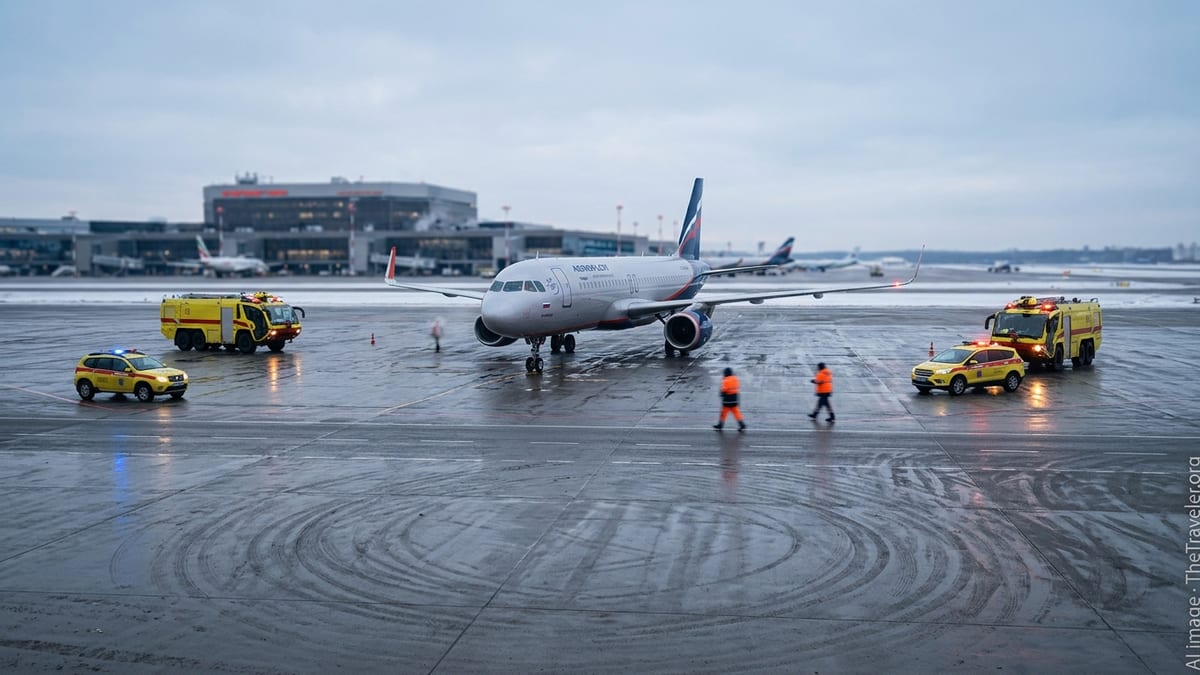
Major Russian Hubs Grapple With Irregular Operations
Publicly available airport boards and flight-tracking data show that Moscow, St. Petersburg and Kazan all reported elevated levels of disruption, with dozens of flights departing late or being scrubbed from schedules. The latest figures indicate 86 delayed services and 22 cancellations across the network, concentrating the impact on some of the country’s primary domestic and international gateways.
In Moscow, Russia’s largest aviation market, delays affected movements across the city’s three main airports, with knock-on effects on connecting services to regional centers. St. Petersburg and Kazan, key links in the domestic network and important points for international transfers, also recorded a cluster of irregular operations involving multiple carriers.
The disturbances come against a backdrop of already strained airline and airport operations in Russia, where carriers are managing high demand, evolving route networks and a constrained fleet environment. While delays and cancellations are a routine feature of global aviation, the concentration of more than 100 affected flights in a short window created visible congestion in terminals and altered plans for thousands of passengers.
Aeroflot, S7, Rossiya and Ural Airlines Among Most Affected
Flag carrier Aeroflot and major private carrier S7 Airlines accounted for a substantial share of the disrupted services, according to schedule data and live departure boards. Both airlines operate dense networks linking Moscow and St. Petersburg with regional cities, so timetable changes on trunk routes quickly cascaded into missed connections and rebookings.
Rossiya Airlines, a key operator at St. Petersburg and an important partner in Aeroflot’s wider group operations, also reported delayed rotations on core routes between the northern capital and Moscow, as well as to other Russian cities. These irregularities added pressure to peak-hour operations at Pulkovo Airport, where turnaround times can be tight even under normal conditions.
Ural Airlines, which runs a mix of services linking central and southern Russia with Moscow and other hubs, experienced schedule disruptions that included both late departures and canceled flights. Historical performance data for some Ural Airlines and S7 Airlines routes already highlight relatively high average delay times, so any additional operational strain can quickly translate into broader timetable instability.
Operational and Airspace Factors Behind the Disruptions
While specific causes vary flight by flight, a combination of operational and airspace-related factors appears to be behind the latest wave of delays and cancellations. Recent published coverage on Russian aviation has pointed to recurring challenges such as tight aircraft utilization, maintenance scheduling pressures and weather-related constraints at major hubs.
In St. Petersburg, aviation enthusiast reports and flight-tracking discussions in recent weeks have noted periods when arriving aircraft were forced into holding patterns or diverted to Moscow and other airports. Such situations can trigger ripple effects across airline networks, as aircraft and crews end up out of position for subsequent legs.
In Kazan, recent international operations have also been affected at times by wider regional airspace tensions and precautionary adjustments to flight paths. When route changes coincide with congested airport operations in Moscow and St. Petersburg, airlines have less flexibility to absorb delays, increasing the likelihood of cancellations and missed connections.
Passenger Experience: Long Waits and Rebookings
Passengers transiting Moscow, St. Petersburg and Kazan during the disruption period reported extended waits, gate changes and last-minute schedule updates. Social media posts and travel forums describe travelers spending several extra hours in terminals as airlines worked to reassign aircraft and secure crew rest compliance.
International travelers connecting onto domestic legs with Aeroflot, S7, Rossiya and Ural Airlines were particularly exposed to missed onward flights. When disruptions hit high-frequency routes between Moscow and other Russian cities, travelers sometimes faced limited same-day alternatives, increasing reliance on overnight stays or rerouting through different hubs.
For some, the irregular operations also complicated refund and rebooking processes, an area already under scrutiny in recent years as passengers referenced earlier experiences with pandemic-era cancellations and sanctions-related payment obstacles. The latest wave of disruptions is likely to renew attention on consumer rights information, contract-of-carriage rules and the responsiveness of airline customer service channels in Russia.
What Travelers Should Expect in the Coming Days
Industry observers note that Russian carriers have been operating under a tighter set of constraints than many global competitors, including fleet renewal challenges and adjustments to international route maps. In this environment, periods of concentrated delays and cancellations, such as the cluster of 86 delays and 22 cancellations now recorded across Moscow, St. Petersburg and Kazan, may recur when weather, technical issues or airspace restrictions overlap.
Travelers planning to fly with Aeroflot, S7 Airlines, Rossiya Airlines or Ural Airlines through these hubs are advised by publicly available guidance and travel advisories to monitor flight status closely, allow extra connection time and prepare contingency plans for missed onward flights. Flexible tickets, travel insurance and familiarity with an airline’s rebooking policies can reduce the impact if schedules change at short notice.
While operations typically stabilize after the most acute period of disruption, residual delays can persist for several days until aircraft rotations and crew schedules are fully realigned. For now, the latest figures highlight the continued vulnerability of Russia’s busy air corridors to sudden shocks, and the importance for passengers of building resilience into their travel plans when passing through Moscow, St. Petersburg or Kazan.