

More news on this day
Air travel across Saudi Arabia has been severely disrupted as reports indicate at least 286 flight delays and 15 cancellations affecting services operated by Saudia, Flynas and Flyadeal across major hubs in Riyadh, Jeddah, Dammam and the Mecca region.
Get the latest news straight to your inbox!
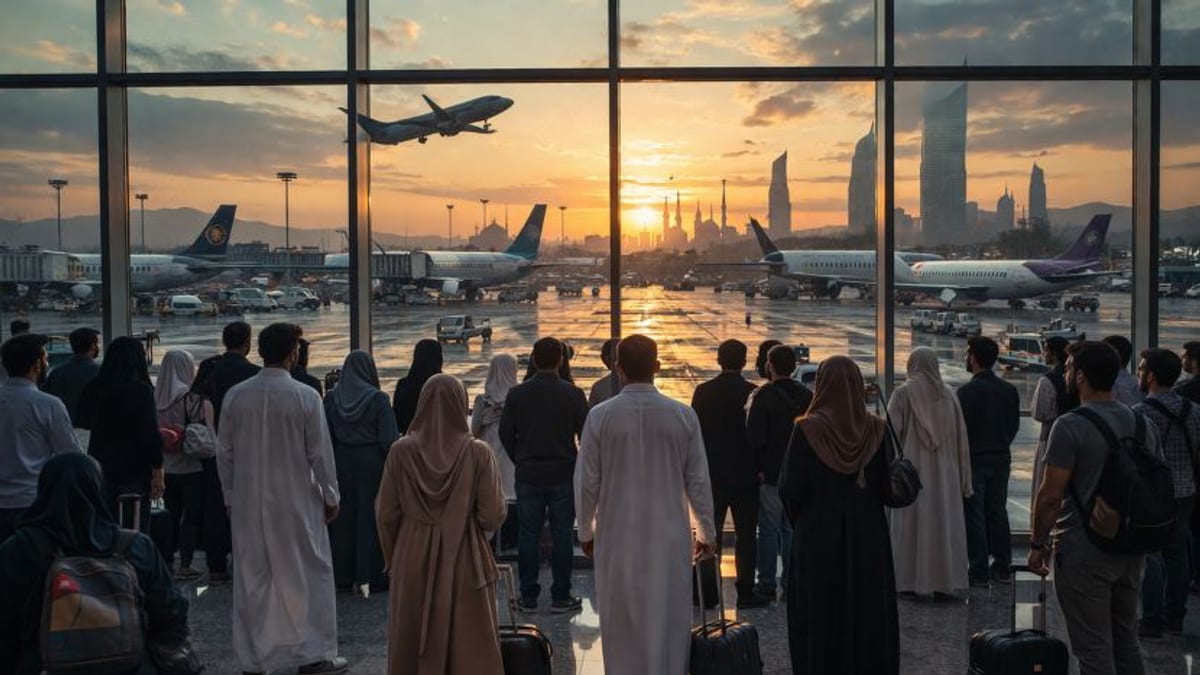
Image by Travel And Tour World
Operational Turbulence Across Major Saudi Hubs
The disruption has rippled through the country’s busiest airports, including King Khalid International Airport in Riyadh, King Abdulaziz International Airport in Jeddah and King Fahd International Airport in Dammam, all of which serve as key bases for Saudia, Flynas and Flyadeal. Publicly available airport data and traveler reports point to an abnormal build-up of delayed departures and arrivals across domestic and regional routes.
In Riyadh, congestion has reportedly worsened as knock-on delays from earlier flights pushed schedules deeper into the day. Some services were held in holding patterns or diverted, adding further pressure to ground operations and complicating crew and aircraft rotations. Travelers have described long waits, shifting departure times and last-minute gate changes.
Jeddah, already one of the busiest gateways for religious travel, has also seen a cluster of delayed and rescheduled flights. The airport is the main hub for Saudia and a major operating base for Flynas and Flyadeal, meaning any operational strain there quickly cascades through the domestic network. Similar patterns have been noted in Dammam, where a mix of delays and scattered cancellations has affected passengers on routes to other Saudi cities and neighboring countries.
Reports from passengers suggest that the impact has not been limited to a single time window but has unfolded across several days, creating a rolling backlog as airlines attempt to reposition aircraft and crews while maintaining priority connections.
Religious Travel and Mecca-Bound Passengers Hit Hard
The timing of the disruption is particularly sensitive for passengers traveling to and from the Mecca region for pilgrimage and religious visits. Flights connecting Jeddah and other Saudi gateways with cities serving Mecca-bound travelers have been among those affected, with delays stretching itineraries and forcing some visitors to rebook or reroute at additional cost.
According to published coverage and traveler accounts, some passengers heading for Umrah trips have faced repeated schedule changes, including late-night cancellations or rolling delays that only became clear after they were already at the airport. For many, carefully timed itineraries that linked regional or long-haul flights into Saudi Arabia with domestic legs toward Mecca have been thrown off, raising the risk of missed connections.
Travelers have turned to alternative modes of transport, including the high-speed rail line between Jeddah, Mecca and Medina, and intercity road options, to salvage time-sensitive religious journeys. However, increased demand for last-minute alternatives has pushed up prices and reduced availability, leaving some passengers with limited practical choices.
Travel forums and social platforms show a growing number of posts from visitors who report feeling stranded or uncertain about whether their flights will operate, reflecting the anxiety that often accompanies disruption during important religious or family trips.
Passenger Frustration Over Rebooking, Refunds and Communication
As delays and cancellations mounted, one of the most persistent complaints from passengers has been the difficulty of securing timely information, rebooking options and refunds. Public comments directed at Saudia, Flynas and Flyadeal highlight instances where travelers say itineraries were cancelled multiple times, sometimes with limited notice and unclear guidance on next steps.
Several passengers have reported having to purchase new tickets at significantly higher last-minute fares after initial flights were cancelled, particularly on international and connecting routes. Others describe long waits at service desks or on customer-service hotlines, as well as confusion over eligibility for refunds versus credit vouchers or rebooked travel.
Travel advice circulating online urges passengers to monitor flight status using airline apps and airport status boards, as these are typically updated in near real time when operational disruptions occur. Consumer advocates also recommend documenting all communications and keeping receipts for unexpected expenses, such as extra hotel nights, meals or surface transport, in case reimbursement is later possible under airline policies.
Publicly available guidance from aviation and consumer regulators in other markets is often cited as a reference point, reminding travelers that while exact rules differ by jurisdiction and ticket type, airlines are generally expected to provide clear and prompt information on delays and cancellations and to outline available remedies.
Airlines Under Pressure in a Rapidly Expanding Market
The current wave of disruption comes against a backdrop of rapid aviation expansion in Saudi Arabia. National strategies aimed at transforming the country into a major global air hub have driven strong growth in passenger numbers, new routes and aircraft orders for carriers such as Saudia, Flynas and Flyadeal. Industry reports have highlighted record passenger volumes and ambitious plans for fleet and airport expansion in support of long-term tourism and economic goals.
This high-growth environment has also heightened scrutiny on operational resilience. Analysts note that dense schedules across multiple hubs, combined with regional weather, airspace constraints and broader geopolitical uncertainties, can make networks more vulnerable to cascading disruption when problems occur. Even a relatively short period of airspace congestion or equipment unavailability can trigger hours of downstream delays.
For airlines, the immediate focus is typically on restoring regular operations by consolidating flights, reallocating aircraft and adjusting crew rosters. However, repeated episodes of disruption can affect traveler confidence, particularly among international visitors and connecting passengers who may have alternatives through other regional hubs.
Industry observers suggest that the latest disruptions will likely intensify debate about contingency planning, staffing levels, infrastructure capacity at key airports and the robustness of digital tools used to inform and re-accommodate passengers when schedules unravel.
What Travelers Can Do If Their Flight Is Affected
Travel specialists advise that passengers currently booked on Saudia, Flynas or Flyadeal services to or from Riyadh, Jeddah, Dammam or the Mecca region should treat their itineraries as fluid and check status repeatedly in the hours leading up to departure. Because schedules can shift quickly during operational turbulence, relying solely on the original booking confirmation is risky.
When a delay or cancellation occurs, travelers are encouraged to act promptly. Using airline mobile apps or websites is often faster than queuing at airport counters, particularly for simple rebookings on the same carrier. In more complex cases, such as missed connections involving multiple airlines, it can be helpful to research viable alternatives in advance so that specific options can be requested when reaching an agent.
Passengers with time-sensitive journeys, including religious travel to Mecca, may want to build extra buffer time into their plans or consider routing through less congested times of day where possible. For domestic segments, alternatives such as high-speed rail or intercity coaches may provide a safety net if flight schedules remain unstable.
While the immediate focus for many travelers is simply getting to their destination, consumer advocates emphasize the importance of following up after the trip to review any rights to refunds, credits or compensation under the fare rules and applicable regulations. Keeping a clear record of delays, cancellations and additional costs can be crucial in resolving claims once airlines have moved beyond the peak of the disruption.