

More news on this day
Thousands of air passengers across Türkiye faced long waits, missed connections and unexpected overnight stays today as nearly 200 flights were cancelled and scores more delayed at major hubs including Istanbul, Antalya, İzmir and Muğla, severely disrupting operations for Pegasus Airlines, Turkish Airlines, SunExpress, AJet and several smaller carriers.
Get the latest news straight to your inbox!
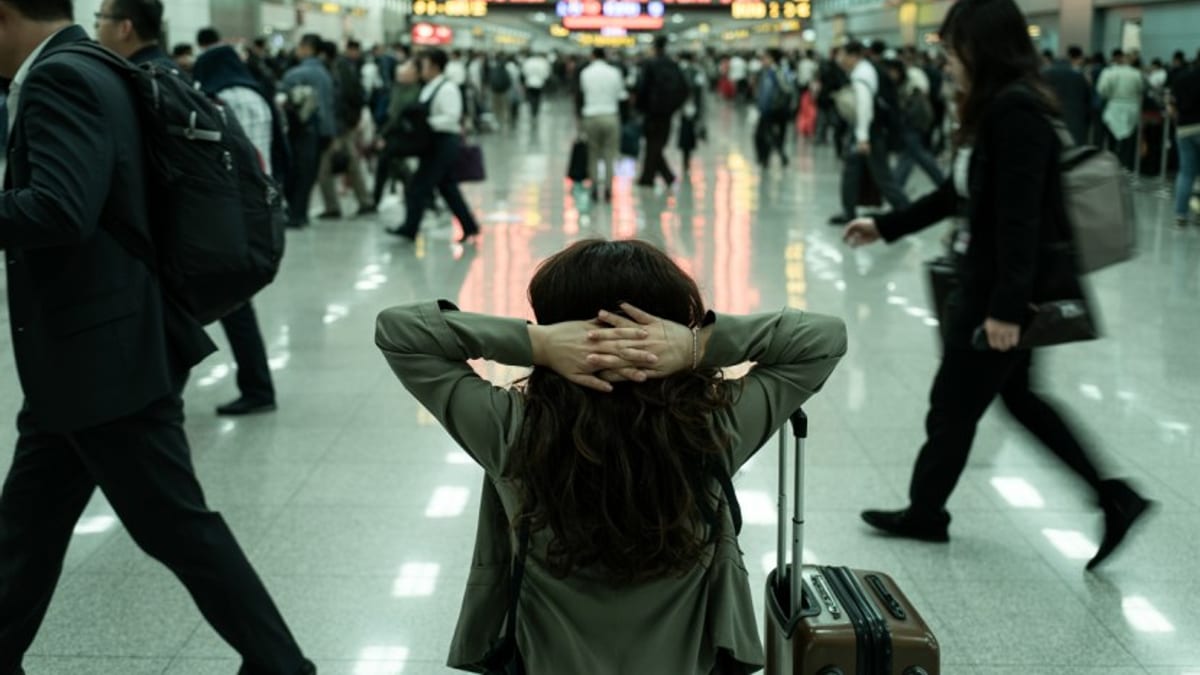
Image by Travel And Tour World
Major Hubs Hit By Wave Of Cancellations
Publicly available airport data and local media tallies indicate that 192 flights were cancelled and at least 149 delayed across Türkiye’s busiest resort and transit gateways, concentrating disruption at Istanbul’s main international hub as well as popular holiday airports serving the Mediterranean and Aegean coasts. The scale of the disruption left departure boards dominated by red cancellation notices through much of the day.
The latest figures suggest Istanbul’s airports saw the heaviest operational impact, reflecting their role as a central node for both domestic and long haul itineraries. Antalya, İzmir and Muğla, key entry points for leisure travelers heading to beach destinations and coastal towns, also reported dense clusters of cancellations and rolling delays, compounding the effects for travelers relying on tight connections.
Airlines including Pegasus Airlines, Turkish Airlines, SunExpress and AJet experienced the most visible knock-on effects due to their extensive domestic and regional networks. Regional carriers and charter operators serving package-tour traffic were also affected, particularly on routes linking European cities with resort areas along Türkiye’s southern coastline.
While individual airports provided fragmented figures across different channels, combined tallies from flight tracking dashboards and timetable snapshots pointed to a sharp one day spike far above typical seasonal levels, prompting concern among travelers already navigating a period of heightened schedule volatility.
Passengers Stranded As Disruptions Ripple Through Networks
The sudden wave of cancellations and long delays left thousands of travelers stranded in terminals or forced to seek last minute accommodation in Istanbul and key resort cities. Social media posts and traveler reports from across the country described crowded check in halls, long customer service queues and difficulty securing alternative seats on near full flights.
Passengers on domestic routes between Istanbul and Antalya, İzmir and Dalaman reported missed onward connections, including international departures scheduled for late evening and early morning. Those arriving from Europe and the Middle East also faced uncertainty over whether onward domestic sectors would depart as planned, with some travelers advised to rebook itineraries for later in the week.
In resort areas, the disruption affected both arrivals and departures, with some holidaymakers extending hotel stays by necessity and others rushing to secure earlier flights after learning that later services had been removed from schedules. Travel agents and tour representatives used public advisory channels to warn of possible last minute changes and urged customers to monitor their booking details closely.
For Istanbul’s large population of connecting passengers, the timing of the cancellations proved particularly disruptive. Travelers arriving on overnight and early morning international services often discovered that domestic legs onward to the coast had been cancelled or retimed by several hours, increasing pressure on rebooking desks at peak hours.
Operational Pressures And Safety Precautions Behind The Chaos
According to publicly available operational updates, today’s disruption appears to reflect a combination of factors that have periodically affected Turkish air travel in recent months, including bouts of adverse weather, airspace congestion and wider regional instability. When those pressures converge on already busy hubs, airlines typically cancel and consolidate flights rather than risk extended tarmac delays or diversions.
Analysts note that carriers operating dense domestic networks are especially vulnerable to so called ripple effects, where a technical inspection, crew timing issue or localised weather cell in one city can cascade through multiple subsequent rotations. In such cases, cancelling a flight outright can be used as a contingency to bring aircraft and crews back in sync with planned schedules.
Recent industry commentary on Turkish aviation has also highlighted the lingering impact of regional security concerns and intermittent airspace restrictions, which can lengthen routes, reduce available slots and complicate aircraft positioning. While specific causes for today’s 192 cancellations varied by route, publicly accessible tracking data showed patterns consistent with airlines prioritising safety margins and operational reliability over maintaining every planned departure.
Airports, for their part, must balance runway capacity, ground handling resources and air traffic control constraints. When several carriers attempt to recover delayed schedules simultaneously, pressure on gates, baggage systems and staffing often forces further timetable adjustments, feeding a cycle of disruption that can take days to fully unwind.
Guidance For Affected Travelers In Türkiye
Consumer advocates and travel specialists generally advise that passengers caught up in large scale disruption focus first on securing a workable new itinerary, and only then pursue questions around refunds or compensation. In Türkiye today, that has meant many travelers working through mobile apps, call centers and online rebooking tools as an alternative to waiting in lengthy airport lines.
Passengers whose flights were among the 192 cancellations are typically entitled under airline policies to choose between rebooking at the earliest available opportunity or receiving a refund. The precise remedies vary by carrier, ticket type and point of origin, especially where European Union regulations apply to flights departing the bloc or operated by EU airlines.
Travelers facing delays among the 149 affected services are often offered rebooking or, in the case of significant schedule changes, meal vouchers and hotel accommodation where overnight stays become unavoidable. However, publicly available accounts of past disruption across Turkish airports suggest that benefits can differ widely, making it important for passengers to document expenses and keep records of communications with airlines.
For those yet to travel, industry guidance commonly recommends allowing extra time for security and check in, avoiding tight self made connections across separate tickets, and monitoring flight status repeatedly in the hours before departure. In periods of heightened volatility such as today, flexible tickets and travel insurance with strong disruption coverage can offer additional protection, particularly for long haul journeys that rely on domestic connections through Istanbul, Antalya, İzmir or Muğla.
Tourism Sector Braces For Short Term Impact
The timing of today’s disruptions carries particular significance for Türkiye’s tourism sector, which depends heavily on reliable air links between international gateways and coastal resorts. Hoteliers, tour operators and local transport providers in Antalya, İzmir and Muğla are likely to feel ripple effects in the form of late arrivals, shortened stays and rearranged excursions.
Resort areas already managing complex logistics around group check ins and seasonal staffing may now need to accommodate unplanned extra nights for some guests while preparing for compressed waves of arrivals once airlines restore normal schedules. Transfers between airports and hotels are also subject to disruption, with some operators having to juggle coach and taxi capacity at short notice.
On the positive side, travel industry observers point out that Türkiye’s main airports and leading carriers have gained extensive experience in recovering from large scale disruptions over recent years. Historical patterns show that once weather windows improve and operational bottlenecks ease, airlines typically restore the majority of domestic and short haul services within a relatively short period, though isolated delays and rolling timetable changes can persist.
For now, however, today’s figures on cancellations and delays underline how quickly conditions can shift for travelers in Türkiye, reinforcing the importance of real time information, flexible planning and a clear understanding of airline policies for anyone flying through Istanbul, Antalya, İzmir or Muğla.