

More news on this day
Thousands of travelers across the United States faced hours-long disruptions on Saturday as major carriers including Delta Air Lines, Southwest Airlines, American Airlines and United Airlines canceled more than 690 departures and delayed over 4,000 flights, snarling operations at key hubs from Minneapolis and Chicago to New York, Kansas City and Atlanta.
Get the latest news straight to your inbox!
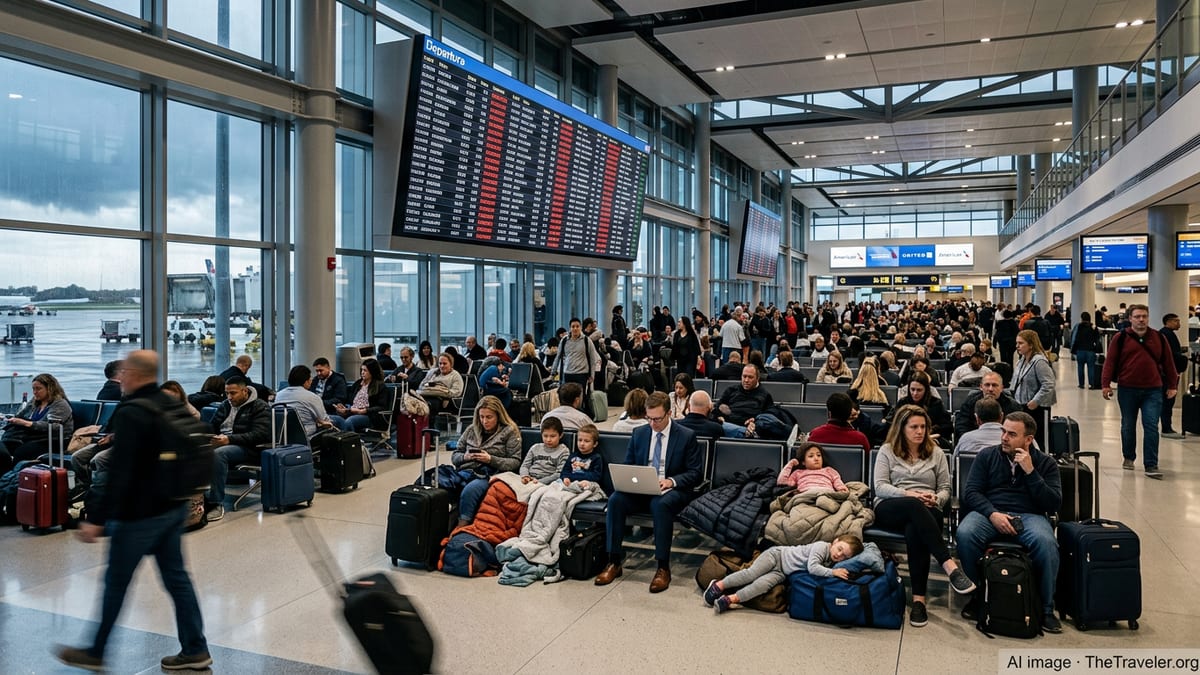
Severe Weather and System Strain Converge
Published data from nationwide flight tracking services on March 14 indicate a sharp spike in cancellations and delays concentrated in the Upper Midwest, Great Lakes and East Coast, coinciding with a powerful late-winter storm sweeping across the region. The disruptions rippled through the networks of the largest U.S. airlines, which rely heavily on hub operations in cities such as Minneapolis, Chicago, New York and Atlanta.
Publicly available weather assessments describe an intense mix of high winds, snow and freezing rain moving east from the Great Lakes into the Northeast, creating low visibility, slick runways and difficult approach conditions. As airlines adjusted schedules to comply with air traffic control restrictions and airport safety requirements, a growing wave of preemptive cancellations was followed by rolling delays throughout the day.
Operational data and traveler reports suggest that even airports experiencing relatively calm local conditions saw significant disruption as aircraft and crews failed to arrive from storm-affected hubs. This created what aviation analysts often describe as a cascading effect, where each grounded flight can disrupt downstream rotations across multiple cities.
The scale of the disruption put additional strain on airline scheduling systems and customer service channels, with travelers reporting long lines at rebooking counters and extended hold times on call centers as carriers worked to reassign passengers around bottlenecked hubs.
Major Hubs Hit From Minneapolis to Atlanta
Minneapolis–Saint Paul International Airport emerged as one of the hardest-hit hubs, with waves of cancellations reported across Delta, Sun Country and other carriers that rely on Minneapolis as a connecting point for Upper Midwest and transcontinental routes. Travelers described banks of departure boards filled with red "canceled" and "delayed" notices as carriers attempted to reposition aircraft and protect later operations.
In Chicago, both O’Hare International and Midway International faced mounting delays as the storm system interacted with already tight runway and gate capacity. Publicly available airport status dashboards showed heavy departure congestion, affecting United and American at O’Hare and Southwest at Midway, and sending knock-on delays into regional airports that depend on Chicago connections.
New York-area airports, including LaGuardia, John F. Kennedy and Newark Liberty, also saw schedules trimmed and flights held due to wind and visibility limits in one of the country’s most congested airspace corridors. According to live tracking feeds, even modest ground delays in New York quickly translated into missed connections for travelers bound for secondary destinations across the country.
Further south, Atlanta’s Hartsfield–Jackson International Airport, the primary hub for Delta, experienced its own rounds of weather-related delays as the stormy pattern pushed into the Southeast. Disruptions at Atlanta complicated recovery efforts because so many domestic itineraries, including those from Kansas City and other midsize markets, are routed through the airport’s extensive connecting network.
Delta, Southwest, American, United and Others Adjust Networks
Operational summaries and airline status pages showed that the largest U.S. carriers were among the most affected as they implemented schedule reductions to navigate the conditions. Delta, with key hubs in Minneapolis and Atlanta, faced substantial cancellations across its domestic network, while also contending with rolling delays on flights that did depart.
Southwest, which operates point-to-point service through Chicago Midway, Kansas City and other central U.S. airports, reported elevated levels of both cancellations and late departures. The carrier’s reliance on rapid aircraft turnarounds meant that early-morning disruptions often reverberated into the afternoon and evening, particularly on multi-leg itineraries.
American Airlines and United Airlines, which both maintain large operations in Chicago and New York and extensive connections throughout the Midwest and East Coast, also adjusted schedules to account for air traffic control programs and airport constraints. Publicly visible rebooking waivers allowed many passengers to shift travel dates or reroute itineraries, but capacity on remaining flights tightened quickly on certain routes.
Smaller carriers and regional affiliates were not spared. Aircraft operating under brands such as American Eagle, Delta Connection and United Express encountered cancellations when larger hubs became gridlocked, reducing options for travelers in smaller markets who depend on these flights for onward connections.
Travelers Face Long Lines, Missed Connections and Overnight Stays
Passenger accounts shared through social media and travel forums on Saturday described terminals crowded with stranded travelers, many of them families starting spring break trips or business travelers attempting to return home for the weekend. Long queues formed at ticket counters as flyers sought rebooking options, meal vouchers or hotel accommodation.
Reports from Minneapolis, Chicago, New York and Atlanta indicated that some travelers were offered same-day alternatives only via multi-stop routings, while others were rebooked one or two days later due to limited remaining seat availability. In several cases, travelers noted that driving to an alternate city or accepting a connection through a less-congested hub became the fastest way to continue their journeys.
Airport seating and food concessions also came under pressure as passengers settled in for extended waits. Some travelers described spending much of the day refreshing airline apps and airport information screens, only to see departure times move repeatedly. For those with tight onward plans, such as cruises or international connections, the uncertainty raised the risk of costly missed departures at later points in their itineraries.
Nightfall threatened to compound the disruption for individuals unable to secure confirmed seats before the end of the operating day. Limited last-minute hotel availability near some airports, particularly in hub cities, prompted warnings from experienced travelers to secure rooms early when large-scale irregular operations begin to develop.
What Today’s Disruptions Signal for Spring Travel
Aviation analysts note that the scale of Saturday’s disruption underscores how vulnerable the U.S. air travel system remains to severe weather, especially when it strikes densely interconnected hubs. With airlines operating near pre-pandemic capacity and load factors high on many routes, there is limited slack in the system to absorb back-to-back storms or prolonged air traffic constraints.
Historical performance data compiled by the U.S. Department of Transportation shows that winter and early spring remain among the most volatile periods for domestic operations, with weather frequently cited as a leading cause of delays and cancellations. When multiple regions are affected simultaneously, as occurred this week, both mainline and regional networks can quickly reach a tipping point where recovery takes several days.
For travelers planning upcoming trips, industry guidance based on recent disruption patterns emphasizes several tactics: scheduling departures earlier in the day, allowing longer connection windows at major hubs, and monitoring both origin and hub weather forecasts starting 48 to 72 hours before departure. Travel insurance products that cover weather-related interruptions are also drawing renewed attention as extreme conditions become more frequent.
While airlines are expected to gradually restore normal operations once the current storm system passes, observers suggest that this weekend’s events will likely prompt further scrutiny of scheduling practices, hub capacity and contingency planning as carriers head into the busy spring and summer travel seasons.