

More news on this day
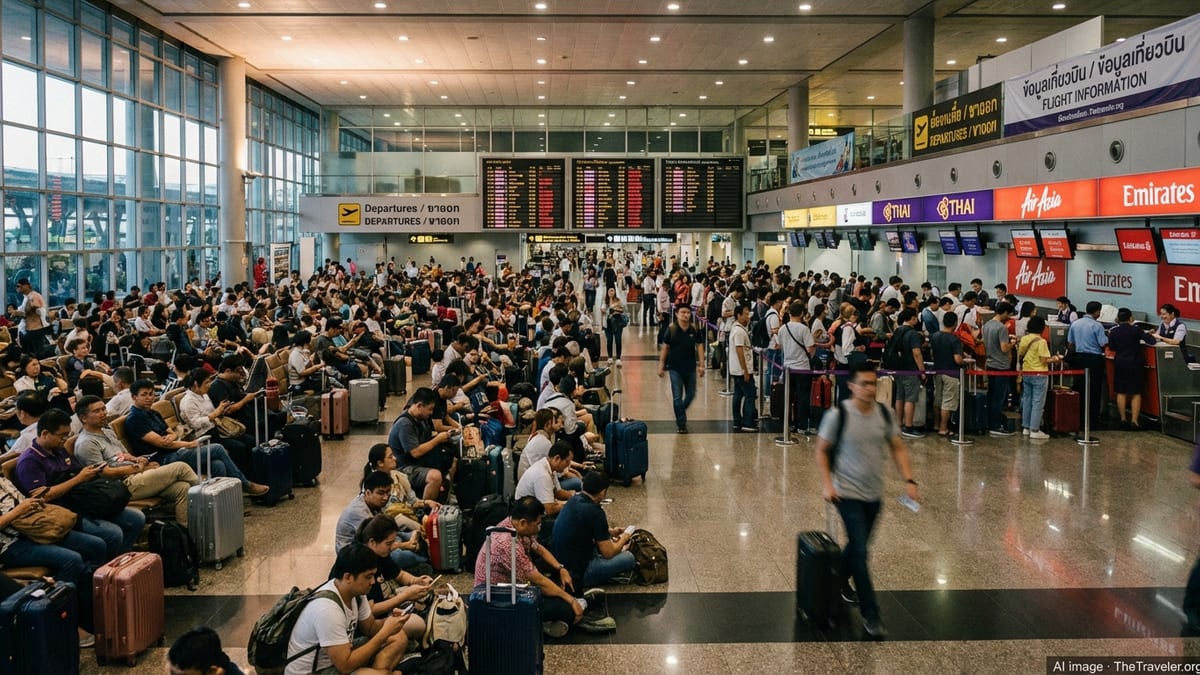
Air travel across Thailand was severely disrupted on March 1 as at least 325 flight delays and 50 cancellations rippled through major airports, grounding travelers on key regional routes and affecting services operated by Thai Airways, Bangkok Airways, AirAsia, Emirates and other carriers.
Regional Turbulence Hits Thai Hubs
The latest wave of disruption swept through Bangkok’s Suvarnabhumi and Don Mueang airports as well as Phuket and other Thai gateways just as the region headed into a busy travel period. Airports and airlines reported mounting delays and cancellations through Sunday morning, with congestion building in departure halls and transit areas.
Airports of Thailand and the Civil Aviation Authority of Thailand said the knock-on effects of regional airspace closures and route adjustments were driving longer flight times, tighter aircraft rotations and staffing strains. Those pressures translated into a cascade of schedule changes that left passengers facing hours-long waits and missed onward connections.
While exact breakdowns varied by carrier and airport, operational data reviewed by industry analysts indicated at least 325 delayed departures and arrivals linked to Thailand and more than 50 outright cancellations across the network. The disruption was felt most acutely on trunk routes to and from Singapore, Tokyo, Dubai and Kuala Lumpur, where aircraft and crews are tightly scheduled and delays quickly compound.
Passengers found themselves stuck in terminals from early morning, many forced to rebook or reroute via alternative hubs. Airport officials said priority was being given to keeping information flowing and basic services available while airlines worked to stabilize schedules.
Thai Airways and Bangkok Airways Battle Cascading Delays
Thai Airways, the national carrier, confirmed that its global schedule remained technically intact, but its operations were far from normal. The airline has rerouted long-haul services to skirt conflict zones and high-risk airspace, adding flying time to Europe and the Middle East and compressing already tight turnaround windows on its Asia network.
Industry tallies showed Thai Airways among the most affected full-service carriers in the region by volume of delays, with close to 100 late departures and arrivals logged across Bangkok and Phuket. Many of those involved regional flights feeding into long-haul connections, meaning a delay out of Bangkok could cascade into missed flights in Singapore, Tokyo or Dubai later in the day.
Bangkok Airways, which relies heavily on timed connections through Bangkok and Samui, also grappled with rolling delays on short-haul routes. With aircraft cycling between domestic beach destinations and international gateways, even modest schedule slippages created bottlenecks that were difficult to unwind in real time.
Both airlines said safety remained their overriding priority and that they were coordinating closely with aviation authorities on routing and scheduling. Passengers were urged to arrive early, keep contact information updated and monitor airline notifications for last-minute gate or time changes.
Low-Cost Carriers and Emirates Feel the Strain
Low-cost giant AirAsia, a key operator on routes linking Thailand with Singapore and Kuala Lumpur, reported one of the highest volumes of delays in the region. Dozens of its flights were held up across multiple airports as aircraft arriving late from one city knocked subsequent departures off schedule, a particular problem for point-to-point carriers that rely on fast turnarounds.
In Kuala Lumpur, where AirAsia runs a dense schedule of short-haul flights, more than 200 delays were recorded over the weekend, with further knock-on effects reaching Bangkok and other Thai cities. Travelers connecting between Thai and Malaysian services were among those hardest hit, facing long queues at transfer desks and limited same-day rebooking options on popular routes.
Emirates, which operates busy daily services between Dubai and Bangkok and onward links to cities such as Singapore and Tokyo, also faced significant disruption. Operational data showed dozens of delayed flights out of Dubai, while cancellations and curfews in parts of the Middle East complicated aircraft positioning and crew scheduling.
For Thailand-bound passengers, that meant some Dubai departures were canceled outright while others were delayed for several hours, leading to missed connections further on to Singapore, Tokyo or regional Thai destinations. Emirates ground staff at Suvarnabhumi were reported to be arranging hotel accommodation for some stranded travelers and helping others rebook on later services where seats were available.
Key Routes to Singapore, Tokyo, Dubai and Kuala Lumpur Disrupted
Four of Asia’s busiest international corridors bore the brunt of Sunday’s disruption. Flights between Bangkok and Singapore, normally among the region’s most reliable, saw a spike in delays as congestion at both ends and the ripple effects of earlier disruptions clogged schedules for both full-service and low-cost carriers.
Services between Thailand and Tokyo were also affected as Japanese airports managed their own waves of delays and cancellations. Operational reports indicated that both Haneda and Narita had logged more than 170 combined delays across multiple airlines over the preceding 24 hours, with Thai-bound flights pushed back as gates and ground-handling resources were stretched.
On the Bangkok Dubai route, Emirates and other carriers faced the dual challenge of managing altered routings around sensitive airspace and dealing with operational constraints at major Gulf hubs. Longer flight times, aircraft reassignments and disrupted crew rotations reduced schedule flexibility, forcing airlines to consolidate or cancel certain services.
Connections linking Bangkok with Kuala Lumpur were similarly pressured. With regional carriers juggling delayed arrivals and departures at both airports, passengers reported tight connection windows, fast-changing gate assignments and a greater than usual risk of missed onward flights, particularly on peak evening departures.
Airports Respond as Passengers Seek Clarity
Airport operators in Thailand moved quickly to respond to the unfolding disruption. At Suvarnabhumi, additional staff were deployed to key passenger touchpoints, including check in halls, transfer desks and information counters, to help travelers navigate rebookings and understand their options.
Temporary seating areas and holding zones were opened to accommodate the growing number of travelers waiting out extended delays. Complimentary drinking water was distributed in some sections of the terminal, and public announcements were stepped up to relay real time information on gate changes and revised departure times.
Travel advisers said affected passengers should focus first on securing confirmed onward travel, either by accepting automatically rebooked itineraries or proactively contacting airlines via mobile apps and call centers. Once new plans are in place, attention can shift to compensation or assistance entitlements, which vary by carrier and ticket type but can include meal vouchers, hotel rooms and partial refunds.
With regional airspace conditions and operational constraints still evolving, officials warned that further schedule adjustments are likely in the coming days. Travelers planning to transit through Bangkok or connect onward to Singapore, Tokyo, Dubai or Kuala Lumpur were urged to check their flight status repeatedly in the hours before departure and to allow extra time for formalities at the airport.