

More news on this day
A powerful mid-March storm system is colliding with peak spring break crowds to cripple air travel across some of the United States’ busiest hubs, with Chicago, Atlanta and New York now reporting cascading flight delays and cancellations as airlines struggle to recover.
Get the latest news straight to your inbox!
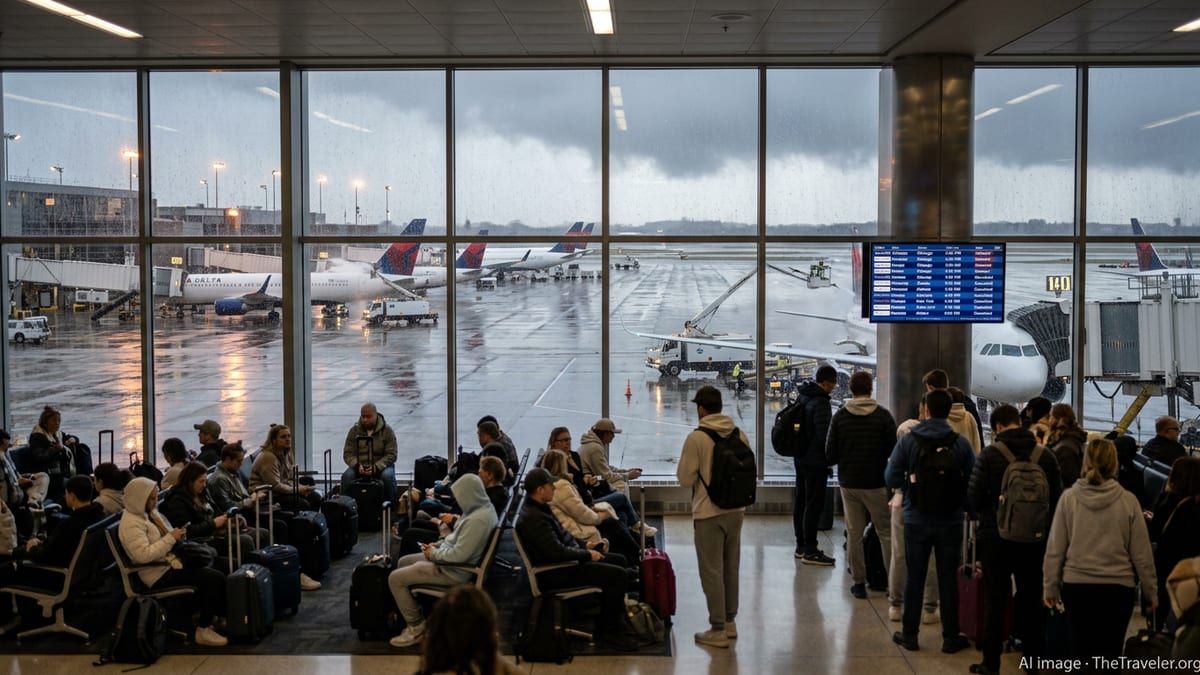
Storm System Hammers Midwest and East Coast Flight Networks
The latest storm complex sweeping across the Midwest and eastern United States is producing a volatile mix of heavy snow, high winds and severe thunderstorms that is rippling through the aviation system. Publicly available information from meteorological agencies describes a large extratropical system that has driven blizzard conditions in parts of the Upper Midwest while spawning damaging winds and thunderstorms farther south and east.
As the storm shifted from the central states toward the Atlantic seaboard between March 15 and March 17, it pushed bands of snow, rain and high winds directly over key aviation corridors. That timing placed the worst conditions squarely on some of the year’s busiest travel days, with airports already crowded by college students and families heading out for spring break.
Operational data and published coverage indicate that the system has forced ground stops and traffic management programs at multiple hubs, extending the impact well beyond the areas seeing the most intense weather. Even when local conditions improved, aircraft and crews remained out of position, limiting the ability of airlines to restore normal schedules.
Chicago O’Hare Sees Major Cancellations as Blizzard Conditions Bite
In the Midwest, Chicago O’Hare International Airport has been one of the hardest hit facilities. Reports based on flight tracking data show that on Monday, March 16, roughly 600 flights into and out of O’Hare were canceled as snow and wind from the storm system swept across the region, on top of thousands of delays nationwide.
The storm’s wintry side brought heavy snow and reduced visibility to parts of the Upper Midwest, disrupting both airport operations and the wider ground transportation network. Runway clearing, deicing operations and safety checks slowed departures and arrivals, while strong crosswinds further constrained traffic flows. Travelers connecting through Chicago faced missed onward flights and tight rebooking options as remaining seats quickly filled.
The problems in Chicago also contributed to a broader knock-on effect across the national network. With O’Hare serving as a central hub for multiple major carriers, disruptions there affected aircraft rotations and crew assignments for flights scheduled to operate across the country later in the day and into the following morning.
Atlanta Gridlock Collides With Peak Spring Break Crowds
Farther south, severe thunderstorms associated with the same storm complex have repeatedly disrupted operations at Hartsfield Jackson Atlanta International Airport. According to published accounts drawing on airline and flight tracking data, more than 500 flights at Atlanta were canceled or significantly delayed on Monday alone, with hundreds more affected on Tuesday as carriers attempted to reset their schedules.
Social media posts and traveler accounts describe crowded concourses, long customer service lines and limited options for same day rebooking as the storm passed through. Some passengers reported diversions to other southeastern airports as storms and temporary ground stops forced aircraft to wait out the worst of the weather away from Atlanta.
The timing of the storm has amplified its impact. Spring break traffic is now peaking across many US school districts, while fans traveling to early rounds of the men’s and women’s college basketball tournaments are also flowing through Atlanta. The combination has left fewer empty seats available for stranded travelers, turning routine weather disruptions into multi day itinerary overhauls for some passengers.
New York Airports Struggle With Wind, Thunderstorms and Backlogs
In the Northeast, the New York metropolitan area has become another focal point of the storm related travel crunch. Publicly available flight data reviewed in recent coverage shows that New York’s LaGuardia Airport recorded roughly 450 cancellations on Monday, with additional delays and cancellations at John F. Kennedy International and Newark Liberty International as the storm’s wind and rain moved through.
The Federal Aviation Administration instituted ground delays and other traffic management measures at the three major New York area airports as forecasters flagged the potential for severe thunderstorms and damaging wind gusts. These restrictions slowed the rate of arrivals and departures, adding fresh delays to flights that were already operating on tight spring break schedules.
For travelers, the overlapping disruptions in New York, Chicago and Atlanta have made rerouting more difficult than during a typical weather event. Seats that might normally be used to accommodate displaced passengers are already occupied by holidaymakers, while connections through other hubs in the Southeast and Mid Atlantic have at times been constrained by the same broad weather system.
Nationwide Impact Likely to Linger as Airlines Work to Recover
Across the United States, the cumulative effect of the mid March storm has been substantial. Publicly accessible tallies from flight tracking services indicate that more than 4,800 US flights were canceled on Monday, March 16, with delays exceeding 12,000. On Tuesday, carriers were still canceling more than 1,000 flights and delaying several thousand more as operations remained fragile at key hubs.
Industry observers note that modern airline networks run on tightly timed aircraft and crew rotations, leaving little slack when a major storm disrupts multiple hubs at once. With Chicago, Atlanta and New York all affected, many airlines have limited flexibility to add extra sections or reposition aircraft quickly, particularly during an already busy travel period.
Travelers with upcoming trips over the next several days are being encouraged in public advisories and airline statements to monitor their flight status frequently and to be prepared for schedule changes as airlines continue recovery efforts. Rebooking options may improve as the weather pattern shifts east and out of the country, but residual delays and isolated cancellations are expected to persist while carriers move planes and staff back into their normal positions.
For now, the March storm stands out as one of the most disruptive weather events of the spring break season, underscoring how quickly conditions can shift for US travelers when severe weather converges on the country’s busiest air travel corridors.