

More news on this day
A mechanical problem on an American Airlines flight at San Diego International Airport has caused knock-on delays across parts of the schedule, underscoring how a single aircraft issue can ripple through one of the country’s most delay-prone gateways.
Get the latest news straight to your inbox!
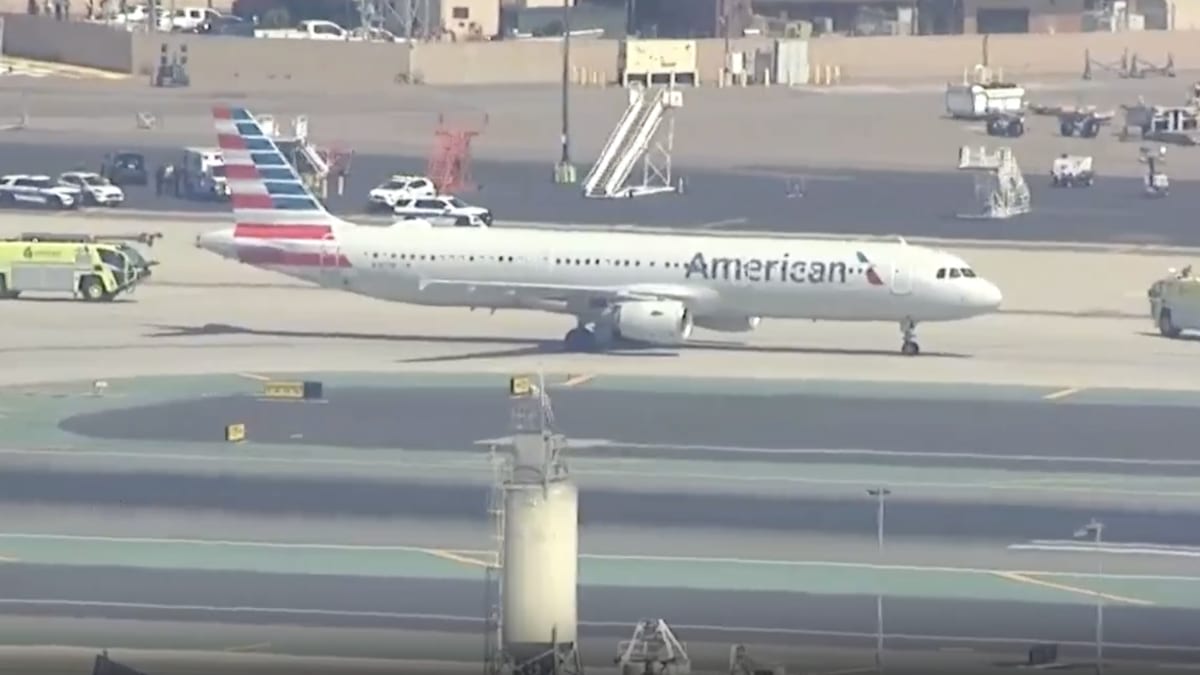
Image by 10News.com
Mechanical Issue Grounds Departure at Busy Spring Travel Period
According to publicly available flight tracking data and local media coverage, the American Airlines aircraft was held at San Diego International Airport while maintenance crews addressed a mechanical problem before departure. The flight, which had been scheduled to leave during a peak travel window, remained on the ground while technicians worked, resulting in a prolonged delay for passengers on board and for those awaiting the aircraft at its next destination.
Reports indicate that the aircraft did not immediately return to regular service, with the delay stretching well beyond its planned departure time. Passengers experienced extended gate holds and schedule revisions while the mechanical issue was assessed and addressed. In some cases, similar mechanical disruptions have required aircraft swaps or rebooking of travelers when repair timelines proved uncertain, and this incident followed a comparable pattern of rolling schedule adjustments.
San Diego International has been operating under heavy demand during the spring travel period, with recent industry analyses ranking the airport among the most disruption-prone in the United States. In that environment, a single outbound aircraft taken out of rotation for mechanical reasons can tighten turn times for other flights, intensify gate congestion, and add stress to already busy ground operations.
Publicly available information on American Airlines’ customer policies notes that mechanical problems are generally categorized as controllable disruptions, which can trigger options such as rebooking and, in some circumstances, meal or lodging vouchers. Travelers affected by the San Diego delay reported a mix of rebooked itineraries and extended waits at the gate as airline teams worked within those guidelines.
Knock-on Delays Across the San Diego Schedule
While the mechanical issue was confined to a single American Airlines aircraft, the disruption coincided with an already strained day of operations at San Diego. Data compiled by aviation and travel analytics firms shows that the airport has recently topped national rankings for the likelihood of delays or cancellations, particularly around peak leisure travel periods. That profile increases the chance that even localized mechanical problems will have broader operational consequences.
As the affected aircraft remained unavailable, subsequent departures relying on the same plane or crew faced potential retiming, with some departures pushed back as the airline reshuffled equipment. Industry reporting on similar events indicates that downstream routes are especially vulnerable when an aircraft is scheduled for multiple short-haul segments in a single day, a pattern common at coastal hubs such as San Diego.
Gate utilization also became a concern as the grounded aircraft occupied valuable ramp space. Under these conditions, arriving flights can experience longer taxi and parking intervals, while departing flights may be held short of the gate until space opens. Travelers across multiple airlines at San Diego have recently described such secondary effects when a single delayed aircraft remains in place during busy hours.
The incident comes at a time when airlines are facing a combination of tight fleet capacity and high load factors. Industry analyses released this month highlight how carriers have little slack in their schedules, meaning that spare aircraft to cover mechanical issues are less readily available. At airports like San Diego, where runway and terminal capacity are already constrained, that lack of flexibility can quickly translate into longer delays.
Mechanical Reliability in the Spotlight for American Airlines
The San Diego disruption has drawn renewed attention to mechanical reliability at American Airlines, which operates one of the largest fleets in the world. Over the past year, publicly available discussion forums and consumer reports have documented a string of maintenance-related delays across various hubs, reflecting both the scale of American’s operations and the sensitivity of modern fleets to minor technical issues.
Analysts note that mechanical delays are an expected part of commercial aviation, affecting all major carriers to some degree. Modern airliners rely on complex avionics and systems, and even small anomalies require checks, part replacements, or software resets before a flight can depart. In the United States, regulatory standards prioritize conservative decision-making in such cases, often resulting in lengthy gate holds while engineers verify that an aircraft is safe to operate.
American Airlines has recently publicized efforts to improve transparency around disruptions, including clearer explanations for delays within its customer apps and digital channels. According to company communications and independent coverage, the carrier has promoted a policy of offering plain-language descriptions when a flight is delayed for mechanical or other controllable reasons, as well as outlining options available to affected travelers.
Travel industry observers point out that these communication improvements can be especially important in incidents like the one at San Diego, where rolling updates and changing departure estimates can frustrate travelers. By providing more real-time context and digital self-service tools, airlines aim to reduce crowding at gate counters and help passengers make faster decisions about rebooking, meal planning, or lodging when delays extend.
San Diego’s Broader Delay Challenges
The mechanical issue at San Diego International unfolded against a backdrop of wider disruption pressures at the airport. Recent analyses of government on-time performance data and private-sector modeling rank San Diego among the U.S. airports most likely to experience delays, citing a combination of heavy passenger volumes, limited runway capacity, and seasonal weather patterns.
Separate reporting has also highlighted longer security lines at major California airports, including San Diego, as staffing shortages and federal budget uncertainty place additional strain on screening operations. Extended waits at security checkpoints can amplify the impact of any departure irregularities, leaving travelers with less margin to absorb gate changes, retimings, or aircraft swaps once they clear screening.
Airport planning documents and traffic summaries released in recent months show continued growth in passenger volumes at San Diego, along with route expansions by multiple carriers. That growth, while positive for the region’s connectivity, has raised questions about how resilient the airport’s infrastructure and airline schedules are to unexpected mechanical or weather-related disruptions.
Aviation consultants note that when an airport is already operating near capacity, irregular operations such as a grounded aircraft or a short-lived runway restriction can lead to disproportionate effects for the traveling public. The American Airlines mechanical event fits into that pattern, serving as a visible example of how a single gate-level problem can cascade into missed connections and extended days of travel for some passengers.
What Travelers Can Do When Mechanical Problems Strike
For travelers passing through San Diego and other busy hubs, the mechanical delay on the American Airlines flight offers a reminder to build flexibility into travel plans. Consumer advocates and airline guidance materials alike recommend allowing extra connection time on tight itineraries, especially during peak seasons, and monitoring flight status closely through airline apps and airport displays.
When a mechanical problem is identified, publicly available guidance from U.S. regulators and airline customer policies suggests that passengers should first confirm whether the disruption is categorized as controllable. In many cases, carriers provide rebooking on the next available flight at no additional cost, and some offer food vouchers or hotel accommodations when overnight delays occur because of maintenance issues.
Travel specialists also recommend documenting communications and keeping receipts for any out-of-pocket expenses incurred during a delay. While U.S. regulations do not require airlines to automatically compensate passengers for most delays, individual airlines may offer reimbursements or travel credits on a case-by-case basis, particularly when a disruption is clearly linked to mechanical problems rather than weather or air traffic control constraints.
As San Diego International and American Airlines work through the operational and customer service implications of the latest mechanical delay, the incident serves as another data point in a broader national conversation about reliability, transparency, and passenger rights in an era of crowded skies and tightly scheduled fleets.