

More news on this day
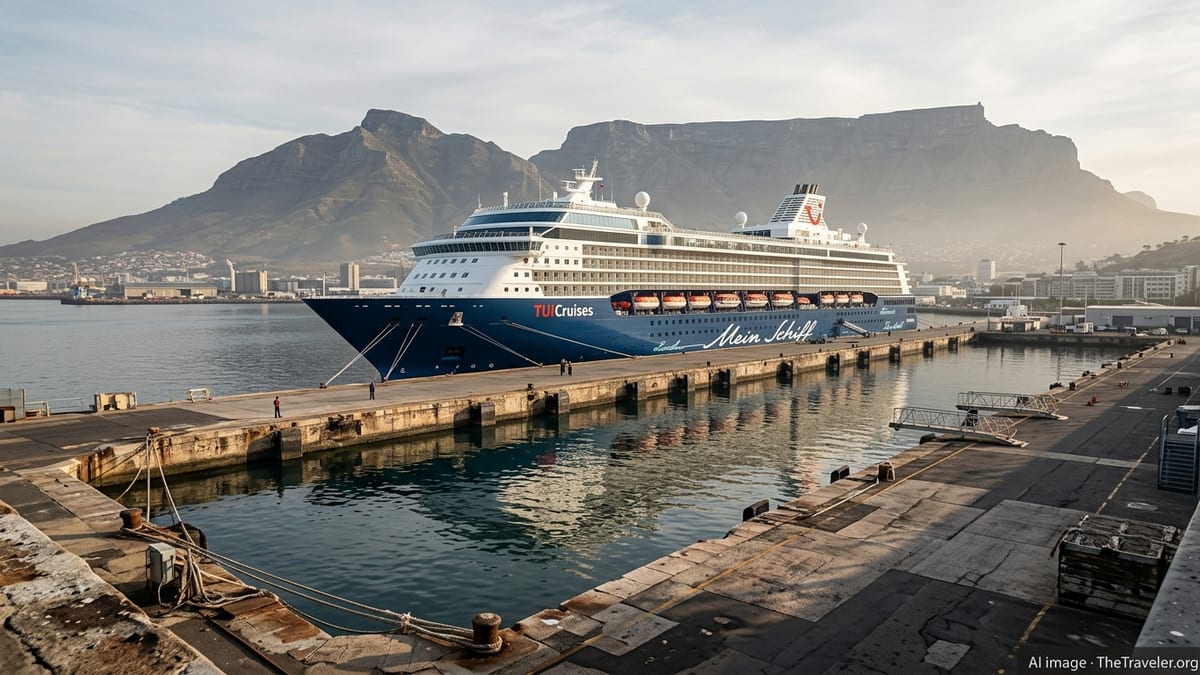
TUI Cruises has canceled a high-profile repositioning voyage of Mein Schiff 4 from Cape Town to Palma de Mallorca, as heightened tensions and instability in the wider Middle East region continue to disrupt cruise deployments and long-haul itineraries.
Get the latest news straight to your inbox!
Repositioning Sailing Scrapped as Geopolitical Risks Rise
The now-canceled repositioning cruise was scheduled to move Mein Schiff 4 from its deployment in southern Africa back to the Mediterranean for the upcoming European season. The itinerary, marketed as a one-off voyage for spring 2026, combined sea days with calls in Atlantic and Indian Ocean ports before the ship’s planned arrival in Palma de Mallorca.
According to publicly available information from cruise forums and schedule summaries, the change follows weeks of uncertainty around cruise operations near the Red Sea, Arabian Sea, and key choke points such as the Strait of Hormuz and the Suez Canal. Tensions and security concerns in these areas have led multiple cruise brands to rethink or reroute repositioning cruises that would typically thread through the eastern Mediterranean and Red Sea.
In Mein Schiff 4’s case, reports indicate that TUI Cruises ultimately chose to cancel the passenger voyage altogether rather than attempt a complex diversion or a shortened routing around West Africa that might not have aligned with the ship’s tight seasonal schedule in Europe.
The decision places the ship among a growing list of large vessels whose transition sailings between winter and summer homeports have been disrupted by the current geopolitical climate.
Impact on Guests: Refunds, Future Credit and Rebooking
Travelers booked on the Cape Town to Palma de Mallorca voyage report receiving notices that the sailing has been canceled and that the cruise will no longer operate as a revenue voyage. Passengers are being offered refunds and, in many cases, options for rebooking on alternative itineraries or accepting future cruise credits, according to published coverage and passenger accounts.
Some guests had planned to use the repositioning cruise as the centerpiece of longer holidays in southern Africa and the Mediterranean. For those travelers, the cancellation means adjusting long-haul flights, hotel stays, and land arrangements that were built around the original sailing dates. Travel advisors and online communities indicate that travelers are now weighing whether to shift to other TUI Cruises departures from Palma, consider shorter regional cruises, or pivot entirely to land-based trips.
Insurance is emerging as an important factor. Depending on the policy and the timing of purchase, some travelers may be able to recover nonrefundable air and land expenses through trip interruption or travel supplier default provisions. Others, especially those who declined additional insurance, may now be relying solely on what is offered directly by the cruise line and their airline’s fare rules.
The episode is also prompting many would-be cruisers to review booking terms more closely, paying particular attention to clauses on “force majeure,” war, and political instability, and how these can shape compensation when itineraries change.
Why Middle East Tensions Are Reshaping Cruise Routes
The cancelation of Mein Schiff 4’s repositioning cruise comes amid broader volatility in the Middle East and adjacent waters that has affected shipping, aviation, and tourism. In recent months, public tracking of cruise and cargo movements shows that more vessels have diverted away from the Red Sea, choosing the much longer route around the Cape of Good Hope to avoid higher-risk zones.
For cruise operators, long repositioning voyages are particularly exposed. These sailings typically transit multiple regions, often including the Red Sea, Gulf of Aden, or eastern Mediterranean. Security advisories, evolving no-sail zones, and military activity can quickly make planned routes nonviable or unattractive for leisure travel, even if freight traffic still moves through the area under heightened protection.
Industry coverage highlights that several global cruise brands have already canceled or significantly altered Middle East and Red Sea itineraries for late 2025 and 2026. Some ships have been redeployed to the Canary Islands, Western Mediterranean, or Northern Europe, while others have effectively skipped an entire season in the Gulf or eastern Mediterranean rather than operate under unpredictable conditions.
TUI Cruises’ decision regarding Mein Schiff 4 fits into this wider pattern. The company, which operates primarily in German-speaking markets, had been expanding its long-haul offerings in recent years. The current situation, however, appears to be reinforcing a shift back toward more stable European and Atlantic routings for key vessels, at least in the near term.
What Happens Next for Mein Schiff 4 and Its Itineraries
Operational documents and winter 2025–26 schedule materials for TUI Cruises show Mein Schiff 4 engaged in extended transocean and so-called “World Explorer” routes linking Palma de Mallorca with Cape Town and Dubai. The cancellation of the Cape Town to Palma repositioning voyage indicates that the line is actively reviewing how, when, and whether the ship will undertake these long transitions with paying guests on board.
Maritime observers note that cruise lines can still reposition ships without passengers if safety, timing, or cost calculations favor a crew-only transfer. In that scenario, Mein Schiff 4 could quietly make its way between regions on a route and timetable designed purely around operational priorities, without the added complexity and expectations that come with a revenue cruise.
For the public, the next visible step is likely to be updated deployment plans for the 2026 European season. Once the ship’s arrival window in the Mediterranean is fixed, itineraries from Palma de Mallorca and other regional ports can be confirmed and offered for sale with greater confidence. Until then, potential guests may see temporary gaps or “sold out” markers on select dates while the schedule is reworked behind the scenes.
The situation underlines how dynamic modern cruise planning has become. A single regional crisis can ripple through ship calendars many months ahead, affecting not just exotic repositioning voyages but also mainstream summer cruises that depend on vessels being in the right place at the right time.
Advice for Travelers Considering Long Repositioning Cruises
The cancellation of Mein Schiff 4’s Cape Town to Palma sailing provides a timely reminder for travelers evaluating long repositioning cruises that cross politically sensitive waters. Publicly available guidance from travel risk analysts and consumer advocates increasingly recommends treating these sailings as flexible plans rather than fixed guarantees, particularly when they involve the Red Sea, Arabian Gulf, or nearby regions.
Prospective passengers are being encouraged to review itinerary maps carefully and ask how alternative routings would be handled if security conditions change. Understanding whether a cruise line might substitute ports, extend sea days, or cancel the voyage outright can help set realistic expectations and inform decisions about air tickets and pre- or post-cruise stays.
Robust travel insurance that specifically covers geopolitical disruption and route changes is also gaining importance. Policies differ significantly, and some exclude war-related events, so travelers may wish to seek products that address these risks explicitly and confirm coverage in writing before purchase.
Finally, observers suggest diversifying plans. For some, that could mean favoring cruises that remain within the Mediterranean or Atlantic during periods of heightened tension, or building itineraries around more stable regions such as Northern Europe or the Caribbean. As the experience of Mein Schiff 4 shows, even well-planned repositioning voyages can be upended by fast-moving events far from the ship’s departure port.