

More news on this day
Travelers using Memphis International Airport are facing a turbulent stretch as a spike in cancelled and delayed flights triggers terminal congestion, confused passengers, and a growing sense of uncertainty about upcoming trips through the Mid-South hub.
Get the latest news straight to your inbox!
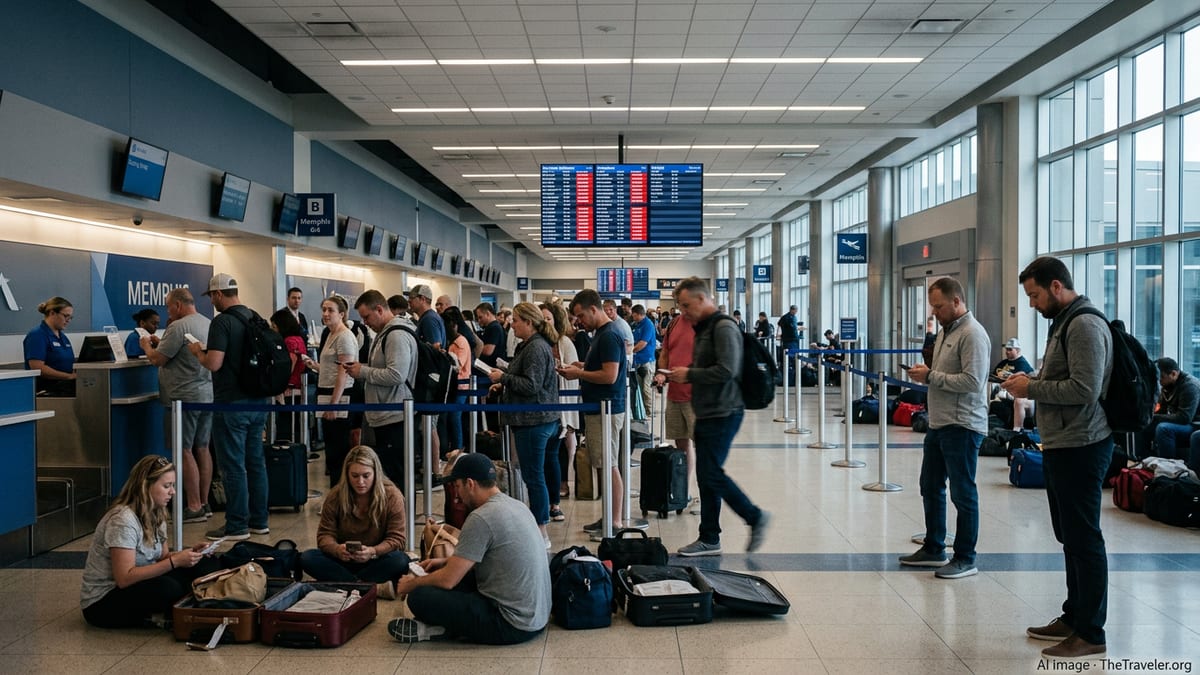
What Is Happening at Memphis International Airport?
Recent days have brought a noticeable uptick in operational disruptions at Memphis International Airport, with publicly available flight-tracking data and traveler accounts pointing to clusters of cancellations and extended delays across several major carriers. While the airport’s cargo operations historically dominate headlines, the current problems are squarely affecting passenger services, creating a markedly different experience from the typically manageable crowds and short security lines many regular users expect.
Reports indicate that the disruption is not tied to a single cause, but rather a combination of factors that tend to ripple through the aviation system: broader schedule reductions and route pauses by airlines, lingering weather impacts across connected hubs, and ongoing staffing and operational strains that continue to affect U.S. carriers in 2026. When those pressures converge on a regional airport like Memphis, even a modest reduction in available aircraft or crew can translate into a sizable share of the local schedule being scrubbed or pushed back.
Travelers on early-morning departures have described unusually long queues at check-in and security, along with frequent gate changes and last-minute schedule adjustments on departure boards. As flights are consolidated or rebooked, later departures are often left to absorb disrupted passengers, further amplifying crowding and raising the likelihood of missed connections for those routing through other hubs.
Operational data from recent winter storms and system-wide airline issues across North America show how quickly cancellations can escalate when upstream hubs struggle. Even when Memphis itself is not at the center of a major weather system, problems at connecting airports or within an airline’s network can cascade into what feels like a localized crisis for passengers departing or arriving in the city.
Why So Many Flights Are Being Cancelled
The wave of cancellations at Memphis reflects a mix of national and local dynamics rather than a single headline-making breakdown. Airlines are still fine-tuning schedules in response to shifting demand, higher operating costs, and network constraints following recent severe winter storms and technology-related disruptions across the United States. When carriers trim frequencies or adjust aircraft assignments, smaller and mid-sized markets like Memphis can end up with reduced slack in the system, leaving less room to recover from even minor issues.
Weather patterns in early 2026 have also been a significant stressor. Major winter storms and cold snaps have forced widespread flight cancellations at large hubs, stranding aircraft and crews away from their planned rotations. When those aircraft are needed for Memphis routes later in the day or week, the result can be “downline” cancellations in Memphis even when skies over Tennessee are relatively clear.
At the same time, the industry continues to face staffing pressure in key roles such as pilots, maintenance technicians, ramp staff, and air traffic controllers. Even moderate shortages can force airlines to preemptively cancel flights rather than risk last-minute disruptions. In some cases, carriers publish schedule changes closer to departure to reflect these constraints, which passengers then experience as abrupt cancellations or significant delays.
Other underlying challenges, such as infrastructure projects and utility reliability in the region, can occasionally worsen congestion or slow passenger processing without directly shutting the airport. When the airfield is operating but terminals are strained, flights may depart with tighter turn times and less margin for error, further increasing the odds of rolling delays throughout the day.
What This Means for Upcoming Travel Plans
For travelers with tickets into or out of Memphis over the coming days and weeks, the most immediate impact is uncertainty. Schedules published at the time of booking may no longer reflect the actual operating plan for the day of travel, particularly for early-morning and late-evening departures that are often first in line for consolidation or cancellation when airlines face disruption.
Passengers with tight connections through major hubs such as Atlanta, Dallas-Fort Worth, Chicago, or Charlotte may be especially vulnerable. If a Memphis departure leaves late, the risk of misconnecting to onward flights increases, potentially stranding travelers overnight in a connecting city or forcing expensive last-minute rebookings on alternative routes. Families traveling with children, as well as those with checked baggage or separate tickets on different airlines, face higher exposure to these knock-on effects.
Travelers heading to high-stakes events such as cruises, international departures, or important business meetings should treat same-day arrivals as risky while disruption persists. Many travel experts recommend building in at least one buffer day when possible, or choosing earlier flights in the day, which statistically have more rebooking options available if things go wrong.
Even those who ultimately see their flights operate on time may encounter longer lines at security and check-in, reduced same-day seat availability, and gate areas congested with displaced passengers. This can make the entire journey feel more stressful, even for itineraries that technically run on schedule.
Practical Steps to Reduce Disruption Risk
Travelers can take several practical measures to reduce the likelihood that Memphis-related disruption derails their plans. The first is to monitor their reservations closely in the 24 to 72 hours before departure using airline apps and flight-tracking tools, watching for equipment changes, schedule shifts, or creeping delays on earlier legs of the aircraft’s routing. Often, early signs of trouble appear long before a flight is officially cancelled.
Arriving at the airport earlier than usual is another simple but effective strategy. With some passengers reporting unusual queues at security and check-in during peak morning hours, building in extra time helps cushion against bottlenecks at the terminal and makes it easier to pivot to alternative options at the ticket counter if something changes while en route.
Where budgets and schedules allow, travelers may want to select nonstop routes instead of itineraries with multiple connections, or choose flights earlier in the day when there are more subsequent departures available for rebooking. Selecting seats and adding contact information directly with the airline, even when booking through an online travel agency, can also speed up notifications and rebooking during irregular operations.
For especially time-sensitive trips, purchasing flexible or refundable fares, or using credit card benefits that provide trip interruption coverage, can provide valuable protection if cancellations at Memphis force a complete change of plan. Making sure essential items and at least one day of clothing are packed in carry-on luggage also reduces the impact if checked bags are delayed or misrouted in the chaos.
Key Takeaways for Travelers Using Memphis Right Now
The situation at Memphis International Airport illustrates how quickly a regional passenger airport can be pulled into wider turbulence across the aviation system. Even without a single headline-grabbing incident, a combination of lingering winter weather impacts, tight airline staffing, and network-wide schedule adjustments has translated into real, traveler-facing disruption on the ground in Memphis.
For now, passengers should approach upcoming trips with a more cautious mindset than they might have adopted in quieter periods. That means double-checking itineraries, planning extra time for airport processes, and considering whether to adjust connection plans or departure days for critical journeys. Being proactive can make the difference between a manageable inconvenience and a trip that unravels.
While conditions are subject to change as airlines refine schedules and as seasonal weather patterns evolve, recent experience shows that Memphis travelers benefit from assuming a higher-than-normal risk of disruption in the near term. Those who stay informed and build flexibility into their plans are likely to navigate the situation with less stress, even as the broader aviation system works to restore more reliable operations.