

Mexico’s airports are the primary gateway into one of the world’s most visited countries, and for many international travelers, they shape the crucial first and last impressions of a trip. From the sprawling terminals of Mexico City and Cancún to rising regional hubs preparing for major events such as the 2026 World Cup, understanding how Mexican airports work will help you arrive prepared, move through formalities smoothly and avoid common pitfalls.
Understanding Mexico’s Major International Gateways
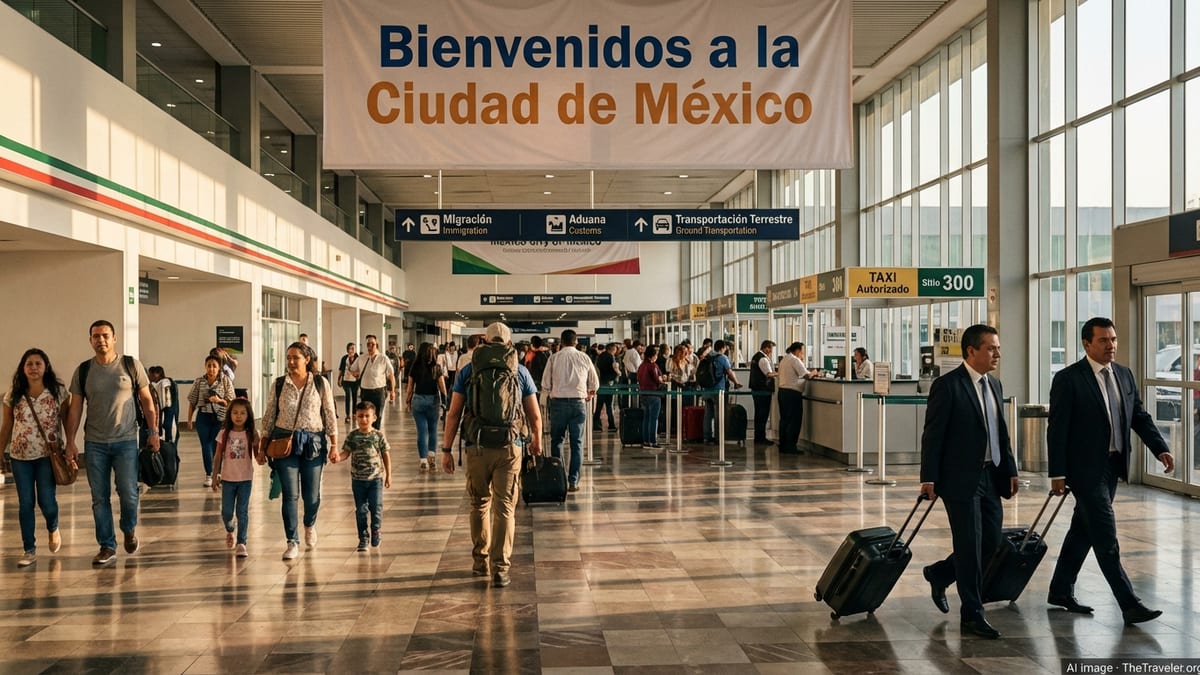
Most international visitors first encounter Mexico at a handful of major airports. Mexico City, Cancún, Guadalajara, Monterrey, Los Cabos and Puerto Vallarta handle the bulk of overseas and regional arrivals, with Mexico City International Airport still the country’s most complex and congested hub. Recent government measures have reduced daily flight operations at Mexico City to ease delays and crowding, which has helped somewhat but can limit peak-time flight options and increase pressure on remaining services.
Cancún International Airport is the principal entry point for vacationers headed to the Caribbean coast, with a high volume of charter and leisure flights from North America and Europe. Terminals there are designed for quick turnaround of resort-bound passengers, but queues at immigration and customs can still be long during holiday peaks. Guadalajara and Monterrey serve as major business and migrant corridors, and Monterrey in particular is in the midst of a large operational upgrade aimed at cutting wait times at security, check-in and immigration as early as 2026.
Secondary destinations such as Mérida, Tijuana, San José del Cabo and Puerto Vallarta have grown into well-equipped international airports in their own right. Facilities vary, but travelers will generally find modern terminals, ATMs, car rental desks and ride-hailing coverage at these airports. Some smaller airports may have limited late-night food or transport options, so it is wise to check your arrival time and plan ground transport in advance.
Mexico has also tightened rules for general aviation and charter flights, restricting them to a defined list of public airports and extending permit lead times. For most commercial passengers this is invisible, but if you are arriving on a private or charter flight, your operator will have to plan more carefully around permitted airports and documentation. It is worth confirming those details before you travel, especially for remote resort or medical trips that depend on non-scheduled air services.
Visas, Entry Requirements and the FMM Form
Entry rules for Mexico are relatively straightforward for many international visitors, but it is important to verify the latest requirements before you fly. Citizens of the United States, Canada, the United Kingdom, most European Union and Schengen Area countries, and several Asia-Pacific and Latin American nations can usually enter Mexico visa-free for short stays as tourists or business visitors, typically for up to 180 days. Travelers from countries outside these groups often need a visa in advance, obtained from a Mexican consulate, and processing times can vary.
Even if you are from a country that normally requires a visa, you may be exempt if you hold a valid multiple-entry visa or permanent residence for the United States, Canada, the United Kingdom, Japan or a Schengen Area country. In such cases, your foreign visa or residence card may act as your authorization to enter Mexico for tourism or business without a separate Mexican visa, as long as your stay is temporary and unpaid. Because policies can evolve, especially around digital nomadism and long stays, it is wise to verify details with an official Mexican consulate or embassy shortly before travel.
All foreign visitors must complete an immigration document often referred to as the FMM, the Multiple Migratory Form. Many airlines distribute this form on board before landing, though some airports now digitize parts of the process. You will provide personal data, your reason for travel and your intended length of stay. The immigration officer at the airport decides your authorized period of stay, which may be up to 180 days but can be shorter depending on your plans and supporting documents.
When you pass through immigration, you should be prepared to show your return or onward ticket, proof of booked accommodation or host contact details, and evidence that you can financially support your stay. Officers sometimes ask visitors about their itinerary or employment abroad. Polite, clear answers and documentation ready to hand typically keep the process quick. Keep any paper portion of the FMM secure for the duration of your trip, as you may need it when you depart; losing it can lead to delays and a replacement fee.
Navigating Immigration, Customs and Security
On arrival, most international flights disembark directly into immigration halls where passport control is the first formality. Queues can vary widely by airport and time of day. In Mexico City and Cancún, waits of 30 to 60 minutes are not unusual at peak times such as holiday weekends or major events, while some regional airports process passengers within minutes. Passengers connecting onward within Mexico must typically clear immigration and customs at their first point of entry, then re-check baggage for domestic segments.
After immigration, you collect checked baggage and proceed to customs. Mexico uses a risk-based system, sometimes with random screening. Officers may ask about items that could attract duties, including high-value electronics, large quantities of new goods or professional equipment. You are allowed personal belongings in reasonable quantities; travelers bringing in unusual items or professional gear should carry receipts or supporting documents, and when in doubt, declare the items rather than risk fines or confiscation.
Security screening for departing passengers follows international standards, including restrictions on liquids in cabin bags and separate screening for laptops and larger electronics at most checkpoints. Security lines at Mexico City and other busy airports can be slow, especially early mornings and late afternoons when business and leisure travelers overlap. Some airports are introducing more automated lanes and advanced scanners, but consistency varies, so it is safer to assume you will need extra time for checks.
Airport authorities and airlines generally advise arriving three hours before international departures, and four during peak seasons, especially from Mexico City and Cancún where traffic and terminal congestion can add delays. For domestic flights, arriving around two hours ahead is usually sufficient, but you should add extra buffer if you are unfamiliar with the airport, traveling with children or checking multiple bags. Giving yourself time reduces stress and leaves a margin for long queues or unexpected gate changes.
Ground Transport, Taxis and Ride-Hailing Services
Once you exit customs, the next challenge is getting from the airport to your destination. In Mexico’s larger airports you will find a mix of authorized taxi booths, private transfer desks, hotel shuttles, public buses and, in many cities, ride-hailing options such as app-based car services. Authorized airport taxis are typically prepaid at kiosks in the arrivals hall, where you purchase a ticket based on destination zone and then present it to a driver outside. This system is designed to minimize haggling and reduce the risk of scams.
Unofficial drivers sometimes approach travelers inside or just outside the terminal offering cheaper rides. It is safer to decline these offers and use only clearly marked, official transport providers or well-known apps. Ride-hailing services operate with varying degrees of formality depending on the city, and pick-up areas may be designated in specific sections of the terminal. In some airports, ride-hailing drivers ask passengers to walk a short distance away from the busiest doors for pick-up; it is important to confirm vehicle details in the app and avoid entering unmarked cars.
Public buses and intercity coaches serve many airports, particularly in tourist regions and border states. From Cancún, for example, scheduled buses run to downtown, coastal resorts and nearby cities, often at lower cost than taxis. In Mexico City and certain northern airports, long-distance buses depart from dedicated bays or connected bus terminals. If you plan to use these services, it helps to research schedules and purchase tickets in advance during busy periods.
Car rental desks are widely available in major airports, though driving in Mexico’s large cities can be stressful due to heavy traffic, unfamiliar road rules and assertive local driving styles. If you choose to rent a vehicle, book with reputable agencies, verify insurance coverage carefully, and avoid night driving on unfamiliar or rural roads. For many visitors, especially first-timers, combining official airport transport with pre-arranged hotel or resort shuttles offers the best mix of comfort, safety and predictability.
Money, Mobile Connectivity and Airport Services
Mexico’s airports provide a range of financial and communication services, though costs and exchange rates can vary. ATMs are usually the most efficient way to obtain Mexican pesos at the airport, and are widely available in arrival and departure halls. Currency exchange counters are common but tend to offer less favorable rates than ATMs or city-center exchange houses, so many travelers withdraw only what they need for immediate expenses such as transport and a first meal, then handle larger exchanges later in town.
Major international credit cards are widely accepted at airport shops, restaurants and car rental counters. However, smaller vendors, some taxis and regional airports may still prefer cash, so carrying a modest amount of pesos is practical. To avoid fraud, use ATMs located inside banks or within secure airport areas, cover your PIN and keep receipts. It is also wise to notify your bank of your travel dates to minimize the risk of blocked transactions.
For connectivity, most large Mexican airports offer free or time-limited Wi-Fi, though signal strength and speed can fluctuate. Mobile network coverage is generally strong in urban and resort areas. Many international travelers find it economical to buy a local prepaid SIM card from major Mexican carriers at kiosks in arrivals, especially for longer stays. eSIM options are growing, and some airlines partner with digital providers to sell data packages before you land.
Airport services have improved in recent years, with more diverse dining options, branded coffee shops, duty-free stores and, in larger hubs, premium lounges accessible with memberships or day passes. Food safety is comparable to other international airports, but as in any busy hub, it is sensible to favor outlets with high turnover of customers and food prepared fresh to order. If you have a tight connection, consider grabbing snacks and bottled water early, as queues can build quickly near departure peaks.
Safety, Security and Practical Precautions
Mexico’s main airports are secure environments with visible police, National Guard units and private security. The most common risks for travelers are petty theft, distraction scams and unauthorized taxi services rather than violent crime. Pickpockets sometimes target crowded check-in lines, security queues and baggage carousels, particularly when passengers are distracted or juggling multiple bags. Keeping valuables in interior pockets, using bags that close securely and avoiding leaving electronics unattended on seats or trolleys are simple but effective precautions.
Outside arrivals halls, taxi touts, informal porters and unauthorized money changers may approach visitors. A calm but firm “no, gracias” is usually sufficient to disengage. Declining unsolicited assistance with luggage or currency exchange minimizes the chance of being overcharged or misled. Within the terminal, be cautious when strangers offer to “help” navigate check-in machines or resolve ticket issues; instead, seek uniformed staff at airline counters or official information desks.
Health-wise, airports can expose travelers to fatigue, dehydration and minor food-borne illness. Mexico’s tap water is generally not considered safe to drink, so stick to bottled or purified water, including when brushing teeth if you are especially sensitive. Hand sanitizer and frequent handwashing help reduce typical travel-related bugs. If you rely on prescription medication, keep it in your carry-on in original packaging, along with copies of prescriptions, in case checked luggage is delayed.
Many travelers worry about broader security issues in Mexico, but within airport environments the main challenge is usually logistical inconvenience rather than direct danger. Planning your arrival during daylight hours where possible, arranging confirmed transfers, and sharing your itinerary with a trusted contact at home can significantly increase peace of mind. Staying informed through your airline’s app and local news outlets is also helpful during periods of weather disruption or major events that can affect airport operations.
Future Changes and World Cup 2026 Preparations
Mexico is investing in its airport infrastructure and operations ahead of the 2026 World Cup, which it will co-host with the United States and Canada. Several cities expecting to welcome football fans are expanding terminals, upgrading baggage and security systems, and introducing more automation at immigration and boarding. Monterrey International Airport, for example, is rolling out self-service kiosks and advanced scanners designed to cut wait times across check-in, security and customs by as much as half by mid-2026.
These changes aim not only to accommodate tournament surges but to leave a lasting legacy of more efficient passenger handling. Travelers can expect to see more automated border control gates, biometric checks and digital signage in the coming years. Adoption will not be uniform, and some regional airports may lag the big hubs, so experiences will continue to vary across the country. As these systems come online, initial teething problems are possible, making extra time at the airport a wise buffer during the transition period.
Meanwhile, regulatory changes affecting flight operations, such as tighter slot controls at Mexico City International and updated rules for charter and private flights, are intended to balance safety, capacity and neighborhood concerns. For passengers, the visible effects are likely to be fewer flight options at peak times, more emphasis on punctual departures and potentially fuller planes as airlines consolidate schedules. Flexibility in travel dates and times can help you secure better fares and less crowded flights.
Looking ahead, travelers should expect Mexico’s airports to continue evolving, with more focus on digital services, sustainability measures and passenger experience. Checking airport-specific information close to your travel date will remain essential, as construction projects, new terminals or temporary relocations of airlines can shift check-in areas and ground transport patterns.
The Takeaway
Flying into Mexico is increasingly straightforward, but it still rewards preparation. Understanding which airports you are using, your visa status and the practical steps at immigration and customs will help you move smoothly from plane to street. Allowing generous time for queues, relying on official transport services and keeping valuables secure go a long way toward preventing problems.
Mexico’s airports are in a period of transition, with investments geared toward major events and long-term growth in tourism and business travel. While that can mean occasional disruption, it also brings modernized facilities and more efficient processing for international passengers. By staying informed, planning ahead and exercising normal urban awareness, you can turn the airport experience into a manageable prelude to the real purpose of your trip: exploring Mexico’s cities, coasts and cultural landscapes.
FAQ
Q1. Do I need a visa to enter Mexico as a tourist?
Many travelers from the United States, Canada, the United Kingdom, the European Union and several other countries can enter Mexico visa-free for short tourist stays. Others need a visa obtained from a Mexican consulate before travel, so you should check current rules for your nationality.
Q2. How long can I stay in Mexico as a visitor?
Immigration officers can grant up to 180 days for tourism or short business visits, but they may authorize a shorter period depending on your itinerary and documentation. You should be prepared to show proof of return travel and funds.
Q3. What is the FMM form and do I still need it?
The FMM, or Multiple Migratory Form, is Mexico’s standard entry document for most foreign visitors. In many airports you still complete it on paper or electronically, hand it to the officer at immigration and keep any returned portion safe for departure.
Q4. How early should I arrive at the airport for my flight from Mexico?
For international departures, plan to arrive about three hours before your flight, and up to four hours during peak seasons at busy hubs. For domestic flights, two hours is usually enough, but you should add buffer time if checking bags or traveling at rush hour.
Q5. Are taxis from Mexican airports safe?
Authorized airport taxis purchased at official kiosks and reputable ride-hailing services are generally considered safe. The main risk comes from unlicensed drivers who approach travelers directly, so it is best to decline unsolicited offers and use only official options.
Q6. Can I drink the tap water in Mexican airports?
It is safer to drink bottled or purified water rather than tap water, even inside airports. Most cafés and restaurants use purified water for drinks and ice, but if you are sensitive, you may prefer sealed bottles.
Q7. Is it better to exchange money at the airport or in the city?
Airport exchange counters are convenient but often offer weaker rates than ATMs or city exchange houses. Many travelers withdraw a small amount of pesos at airport ATMs for immediate needs, then handle larger exchanges later in town.
Q8. Are Mexican airports safe given the country’s security issues?
Major Mexican airports are heavily monitored and generally safe. The most common problems are petty theft, scams and transport overcharging, which you can mitigate by keeping belongings close and using official services.
Q9. Can I use ride-hailing apps like Uber at Mexican airports?
Ride-hailing availability varies by city, but in many major destinations these apps operate with designated or informal pick-up areas. You should confirm the current situation for your arrival airport and always verify vehicle and driver details in the app.
Q10. What should I do if I lose my passport or FMM while in Mexico?
If you lose your passport, contact your embassy or consulate as soon as possible to obtain an emergency travel document. If you lose your FMM, report it to immigration authorities; you may need to pay a fee and obtain a replacement before you can depart.