

Mexico has long carried a reputation as a reliably cheap escape for travelers and expats from the United States, Canada, and Europe. But recent visitors quickly discover a more complicated reality. Depending on where you go, when you travel, and how you spend, Mexico can feel remarkably affordable or shockingly expensive, sometimes within the same city block. Understanding why there is such a wide spread in costs is the key to planning a trip or longer stay that fits your budget without compromising the experience you came for.
Two Mexicos: Local Prices vs Tourist Premiums
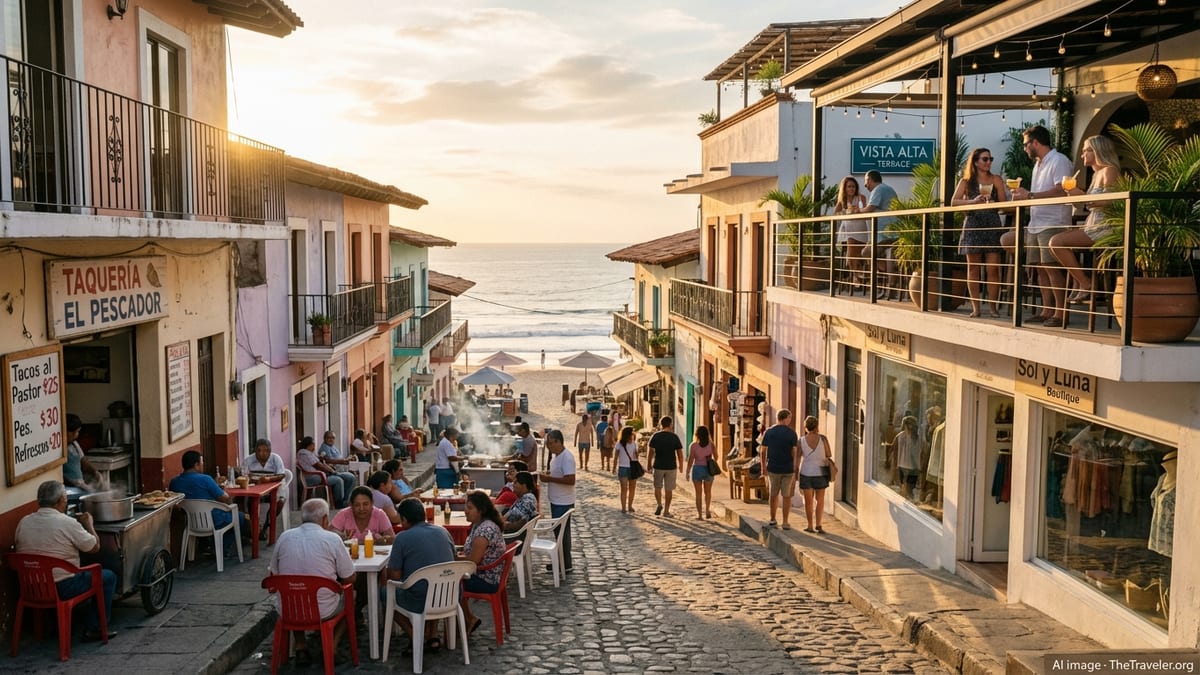
For most visitors, the biggest surprise is how sharply prices can split between places serving primarily locals and those targeting international tourists. In a working neighborhood taco stand a plate of tacos might still be only a few U.S. dollars, while a trendy restaurant a short walk away in a polished tourist district can charge several times that for the same basic ingredients. The same pattern holds for bars, coffee shops, laundries, hair salons, and even simple conveniences like bottled water or snacks near major attractions.
Beach destinations illustrate this contrast vividly. A local family-run restaurant a few blocks back from the sand may offer hearty complete meals for the price of a single drink at an oceanfront bar. In Mexico City, a beer in a traditional cantina in a non-fashionable neighborhood can be closer to what long-time visitors remember as “old Mexico” prices, while the same brand poured at a rooftop bar in Condesa or Polanco can cost as much as in many major U.S. cities. Travelers who are willing to step a little outside the obvious tourist corridors generally see their daily budget stretch dramatically.
This dual pricing is not about formal rules but about who the business is built to serve. Places that depend on local traffic must remain affordable in pesos for residents whose incomes are far lower than those of foreign travelers. Venues shaped by international demand, from beach clubs to boutique coffee shops, calibrate prices to what tourists are willing to pay, often in line with prices back home. That divergence is at the heart of why Mexico can be both inexpensive and expensive at the same time.
It is still possible to travel in Mexico on a very modest budget, especially if you eat where locals eat and choose simple guesthouses or hostels. At the same time, travelers who gravitate to highly Instagrammed venues, upscale hotel zones, and international-brand restaurants will find that Mexico no longer feels like a bargain at all. In practice, most modern trips mix both worlds, which is why budgeting accurately requires understanding how and when you will cross that invisible line.
Regional Gaps: Mexico City, Beach Resorts, and Interior Towns
Location is the single biggest factor in whether Mexico feels cheap or costly. Major resort areas along the Caribbean and Pacific coasts, such as Cancun, Playa del Carmen, Tulum, Los Cabos, and Puerto Vallarta, price almost every aspect of the visitor experience at a premium. Hotel rates in popular beachfront zones have risen sharply since before the pandemic, and comparable rooms that once fell into the budget category now often command midrange or even high-end pricing. Vacation rentals have seen similar jumps as demand from foreign tourists and remote workers has intensified.
Mexico City sits in the middle. As the country’s political and cultural capital it offers a range of prices wider than almost anywhere else. Budget travelers can still find hostel beds and simple neighborhood hotels at nightly rates that compare favorably to other world capitals, and local markets and street food stalls make it possible to eat very well for modest sums. At the same time, fashionable neighborhoods like Polanco, Roma, and Condesa may feature cafes, wine bars, and fine-dining restaurants where bills rival those in New York or Los Angeles. Within a single day, you can spend very little or quite a lot depending on which pockets of the city you frequent.
Smaller inland cities and colonial towns often present the best value for visitors seeking comfort at moderate prices. Places such as Mérida, Oaxaca, San Luis Potosí, and many lesser-known regional capitals still offer rents and hotel rates that are considerably lower than those in major resort areas. Street food and local eateries remain notably affordable, and even midrange restaurants tend to be gentler on the wallet. That helps explain why many expats and remote workers are choosing interior locations, where their money stretches further without sacrificing quality of life.
Even within a single region, micro-differences are meaningful. Staying one or two neighborhoods away from a historic center or beach strip can reduce accommodation costs substantially, while still allowing easy access to the main sights. Over the course of a week or month, those variations can add up to the difference between Mexico feeling wonderfully affordable or uncomfortably expensive.
Currency, Inflation, and the Strong Peso Effect
One reason Mexico no longer feels as uniformly cheap as some travelers remember is the changing relationship between the Mexican peso and major foreign currencies. In recent years the peso has strengthened against the U.S. dollar and other currencies, and inflation has lifted prices for housing, services, and food inside Mexico. For local residents those forces erode purchasing power. For visitors, they translate into higher costs when converted into dollars or euros compared with what similar purchases might have cost even a few years ago.
At the same time, the overall cost of living in Mexico remains significantly lower than in many North American and European cities. Housing is the most striking example. Rents for apartments in central neighborhoods, even in large cities, are often far below equivalents in major U.S. urban centers. Public transportation, from city metro systems to intercity buses, tends to be inexpensive by international standards. Private health care, which is a major expense in countries like the United States, is widely cited as a fraction of the price in Mexico for comparable services.
Travelers and long-term visitors feel these trends differently. Short-term tourists paying in foreign currency may notice that hotel prices and tours cost more than expected, especially in beach destinations, even though everyday items like fresh produce, local transport, and basic services remain inexpensive. Expats and remote workers who earn in strong currencies may still find that their overall monthly budget in Mexico is much lower than back home, but many also report that the era of “ultra-cheap” Mexico is fading and that careful planning is increasingly important.
Because exchange rates and domestic inflation continue to shift, budgets that worked in 2019 often underestimate current costs. When planning a trip now, it is safer to rely on recent examples and allow a cushion for price increases rather than assuming that older anecdotes about “how cheap everything is” still hold true across the board.
Accommodation: From Hostels to High-End Retreats
Accommodation is usually the single largest line item in a Mexico travel budget, and it is where the range between affordable and expensive is most dramatic. In big cities and interior towns, backpackers can still find hostel dorm beds and very simple rooms at rates that make extended stays feasible on a tight budget. Nightly prices for modest hotels a bit away from main tourist corridors tend to remain reasonable, especially if you are flexible about amenities and décor. Those who book longer stays in apartments or guesthouses frequently secure lower monthly rates than they might pay for just a few nights in a resort zone.
In contrast, beach destinations and heavily touristed neighborhoods in cities have seen significant jumps in accommodation costs. Standard hotel rooms in popular resort areas that once fell under the affordable label now often start at rates that would be considered midrange or higher elsewhere in Latin America. Vacation rentals listed on global platforms in high-demand neighborhoods can be priced closer to what travelers might pay in parts of southern Europe or the United States, particularly in peak season or during holidays.
The season of travel matters as well. High season on the coasts, especially from December through Easter and around major events, can push nightly prices 30 to 40 percent higher or more than in shoulder or low seasons. Travelers who can visit just outside the busiest months often see immediate savings on accommodation, even in the same property. Booking early, being flexible with exact dates, and looking slightly beyond the busiest strips of hotels are all strategies that can keep Mexico’s lodging costs firmly in the “affordable” column.
For expats and remote workers, the accommodation equation is slightly different. Many opt for longer-term rentals or locally advertised apartments rather than short-stay platforms, accessing local market prices that can be far below advertised tourist rates. However, in especially popular expat hubs, long-term rents have also risen as demand has outpaced supply. In these areas, it is no longer safe to assume that moving to Mexico automatically guarantees rock-bottom housing costs, particularly if you prefer central, fashionable neighborhoods.
Food, Drink, and Daily Living Costs
Everyday life in Mexico can be remarkably affordable if you embrace the local rhythm. Street food culture remains vibrant, and simple tacos, tortas, and market meals are still priced to serve local residents. Open-air markets and neighborhood grocery stores offer fresh fruits, vegetables, and staples at prices that are lower than in many northern countries. Cooking some of your own meals, shopping where locals shop, and saving restaurant splurges for special occasions are straightforward ways to keep costs down without feeling deprived.
Where budgets start to strain is in venues that primarily cater to international tastes. Third-wave coffee shops, specialty cocktail bars, imported wines, and fine-dining tasting menus almost always come with prices that mirror global metropolitan trends. In fashionable districts of Mexico City or upscale parts of beach towns, a night out can cost as much as, or even more than, a comparable evening in a midrange U.S. city. Craft beer and premium spirits are especially prone to these markups, meaning that nightlife habits can push a trip from economical to expensive very quickly.
Groceries and domestic brands generally stay on the affordable side, but imported products can be surprisingly pricey. Travelers who insist on familiar foreign snacks, specialty health foods, or international labels may find that their shopping bills climb rapidly. Conversely, those who are happy to explore Mexican brands and seasonal produce often discover that feeding themselves well is one of the most budget-friendly aspects of a stay.
Services, from haircuts to small repairs and domestic help, are typically far less expensive than in North America or Europe, and this is an area where Mexico continues to offer particularly strong value. For long-stay travelers and residents, that means that even if rent or certain leisure activities feel costly, day-to-day living still provides meaningful savings compared with many home countries.
Transport, Healthcare, and Activities
Transportation within Mexico is one of the clearest examples of continued affordability, especially in cities with robust public systems. Metro and bus fares in major urban areas are low by international standards, allowing visitors to cross cities multiple times a day without significantly affecting the budget. Rideshare apps, widely available in larger cities and tourist destinations, also tend to be cheaper than comparable trips in the United States or Western Europe, although prices can climb during peak demand in resort zones.
Long-distance bus travel remains an economical way to move between cities, with multiple classes of service ranging from basic to almost business-class comfort. Domestic flights, particularly on low-cost carriers, can be reasonably priced if booked in advance, though last-minute fares and checked baggage fees can narrow the gap with higher-cost markets. Renting a car often appears affordable at first glance but can become more expensive once insurance, tolls, and fuel are factored in, especially for those who want the freedom to explore multiple regions.
Healthcare is another area where Mexico can be substantially more affordable than many visitors’ home systems. Private hospitals and clinics in major cities and popular expat regions offer modern facilities and specialist care, often at a fraction of the price charged in the United States. Routine doctor or dental visits may cost less than many Americans would pay for a co-pay alone. For medical tourists seeking dental work or elective procedures, those savings can be dramatic, even after adding travel and accommodation.
Activities and attractions, however, occupy a middle ground. Entrance fees to national museums, archaeological sites, and cultural institutions are often modest, making it easy to enjoy a rich program of sightseeing without overspending. Yet guided tours, adventure excursions, cenote visits, and private day trips have become more expensive in recent years, particularly in heavily touristed areas where international demand sets the tone. Travelers who fill their days with organized activities can find that this category rivals accommodation in total cost, while those who balance paid experiences with free city wandering, beaches, and public parks keep overall expenses down.
Planning a Realistic Budget for Your Style of Mexico
Because Mexico can present so many faces, honest self-assessment is crucial before you set a budget. A traveler who is happy in hostel dorms, eats primarily at local markets, uses public transport, and chooses simple, low-cost outings will experience Mexico as impressively affordable. Daily spending in many cities can stay comparatively low even in 2026, and it is possible to explore for weeks without draining savings. By contrast, a visitor who prefers stylish boutique hotels, air-conditioned taxis, craft cocktails, and guided tours will experience a very different Mexico, where costs may rival mid-tier European destinations.
The most common mistake is budgeting entirely based on either extreme. Many travelers picture a mostly budget-friendly trip but end up mixing in several high-priced experiences: a few nights in a resort, a string of organized excursions, regular visits to international-style restaurants, or frequent ride-hailing instead of buses and metro. None of these choices are wrong. They are part of what makes a vacation enjoyable. But each one pulls your daily spending closer to what you might pay at home, eroding the assumption that Mexico is “cheap.”
Seasonality, exchange-rate movements, and destination-specific trends should also factor into your planning. High seasons in coastal resorts, major festivals in colonial cities, and international events in Mexico City can all push up prices for accommodation and flights. Checking recent reports from travelers or expats in your chosen destinations helps anchor expectations. Building a buffer on top of any daily budget you see quoted is a prudent way to account for the ongoing upward pressure on prices.
Ultimately, Mexico offers remarkable flexibility. You can still design a trip that feels like a throwback to the backpacker days, or you can opt for indulgent luxury that matches any sun-and-sand destination in the world. Most visitors land somewhere between those poles. The more honestly you match your budget to your habits, the less likely you are to feel blindsided by costs once you arrive.
The Takeaway
Mexico’s reputation as a budget destination is not entirely outdated, but it is no longer the whole story. The country now contains multiple overlapping price realities. Local eateries, markets, public transit, and modest accommodations continue to deliver exceptional value, especially in interior cities and outside peak season. At the same time, beach resorts, fashionable neighborhoods, high-end dining, curated tours, and imported goods have climbed into price ranges that may surprise anyone expecting a universally cheap escape.
The difference between an affordable and an expensive Mexico experience comes down to a handful of choices: where you stay, where you eat and drink, how you move around, which activities you prioritize, and how often you step into spaces designed primarily for foreign visitors. Add to that the impact of a stronger peso, rising domestic prices, and competition for attractive rentals, and it becomes clear why stories about costs in Mexico today vary so widely.
If you approach Mexico with up-to-date expectations and a flexible mindset, it can still be one of the most rewarding and cost-effective destinations in the Americas. Knowing in advance where your money will go furthest, and where it will vanish quickly, gives you the freedom to decide which splurges are worth it for you. With that understanding, Mexico can be as affordable or as indulgent as you choose, without unwelcome surprises overshadowing the journey.
FAQ
Q1. Is Mexico still a cheap destination for budget travelers in 2026?
For travelers who are flexible about comfort and willing to eat at local spots, use public transport, and stay in modest accommodation, Mexico can still be very budget-friendly compared with many destinations. However, prices in resort areas and fashionable neighborhoods have risen, so it is important to plan realistically and avoid assuming that everything will be inexpensive.
Q2. Why do prices in Mexican beach towns feel so high?
Coastal resort areas concentrate international demand, which pushes up the cost of accommodation, restaurants, bars, and organized activities. Many businesses there are designed primarily for foreign visitors with higher spending power, so prices are often set closer to what tourists are used to paying at home rather than to local income levels.
Q3. How much more expensive is Mexico now compared with before the pandemic?
While exact increases vary by region and category, many travelers and analysts report noticeable rises in hotel rates, vacation rentals, tours, and restaurant prices in tourist zones since 2019. Everyday local items such as street food and public transport have generally remained more modest, but overall it is wise to expect higher costs than older guidebooks suggest.
Q4. Are interior cities and colonial towns cheaper than Cancun or Los Cabos?
In general, yes. Inland destinations and many colonial towns tend to offer lower accommodation costs, more affordable local dining, and fewer ultra-premium venues than the biggest beach resorts. While popular expat hubs have also seen some price increases, visitors usually find that their daily budget stretches further away from the coasts.
Q5. How does the exchange rate affect what I will spend in Mexico?
When the Mexican peso is strong against your home currency, prices in Mexico feel higher once converted. Even if local costs have not changed dramatically, a stronger peso means each dollar or euro buys fewer pesos. Because exchange rates and inflation shift over time, using recent information and adding a cushion to your budget is sensible.
Q6. Can I keep costs down and still enjoy some nice restaurants and tours?
Yes. Many travelers mix local, low-cost options with selective splurges. Eating most meals at markets or neighborhood eateries, relying on public transport for everyday movement, and reserving a few special dinners or well-chosen tours can keep overall spending under control while still delivering memorable highlights.
Q7. Is healthcare in Mexico really cheaper for visitors and expats?
Private healthcare in Mexico is typically much less expensive than in the United States and often lower than in parts of Europe, particularly for consultations, dental work, and routine procedures. That said, costs vary by city and facility, and travelers should still carry appropriate insurance to cover emergencies and more complex care.
Q8. What time of year is usually the most affordable for travel in Mexico?
Outside of major holidays and peak winter months in beach areas, shoulder and low seasons often bring lower accommodation prices and fewer crowds. The exact timing depends on region, but generally the months just before or after the busiest tourist periods offer better value, especially on the coasts.
Q9. Are long-term stays in Mexico always cheaper than short visits?
Long-term visitors often secure lower monthly rents and can spread fixed costs over more days, which tends to reduce average daily spending. However, in very popular expat neighborhoods, even long-term rents have increased, so savings are significant but not automatic. Careful research and some flexibility in location are still important.
Q10. What is the biggest mistake travelers make when budgeting for Mexico?
The most common mistake is assuming that Mexico is uniformly cheap and then planning a trip filled with high-cost choices like beachfront hotels, daily tours, imported drinks, and frequent ride-hailing. When expectations are based on outdated ideas rather than current realities, the final bill can come as an unpleasant surprise.