

More news on this day
Travelers heading to and from Mexico are facing a new wave of flight disruption, as Viva Aerobus, Aeromexico, United, JetBlue and other major airlines cancel more than 20 flights across key routes linking Cancun, Mexico City, Monterrey, Tijuana and other major hubs amid ongoing operational strain and recent security concerns.
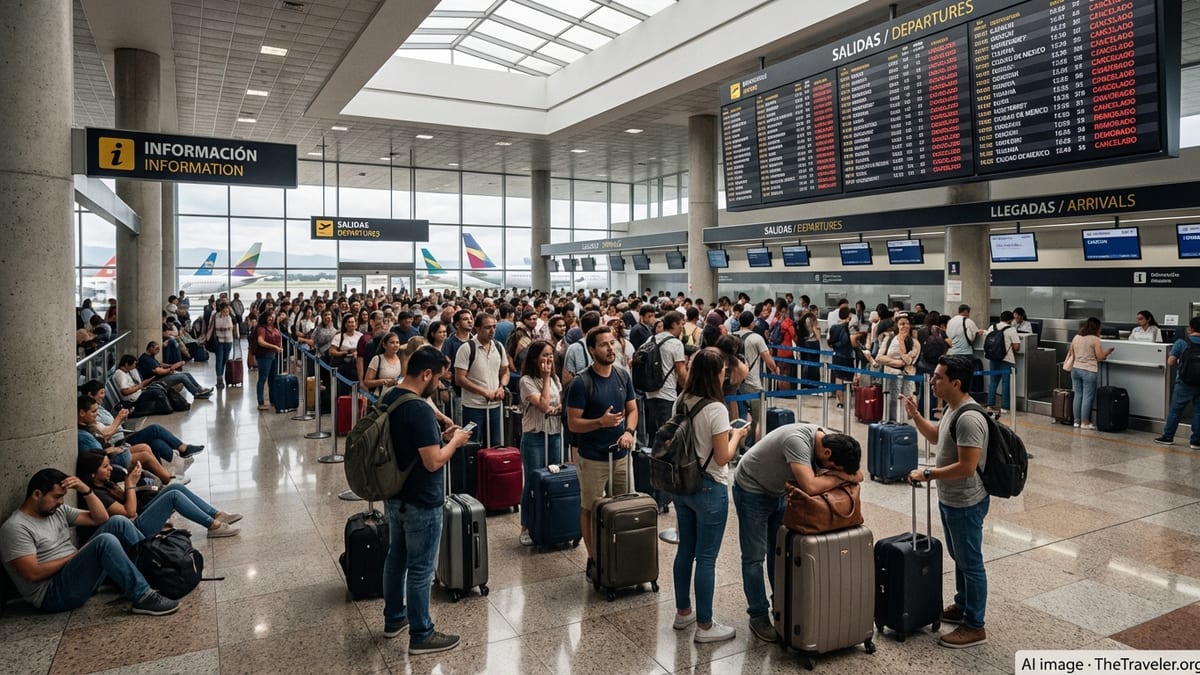
Fresh Cancellations Hit Already Fragile Mexico Air Network
The latest round of cancellations comes on the heels of weeks of turbulence for Mexico’s aviation system, which has been grappling with the aftershocks of cartel-related violence, adverse weather and lingering operational bottlenecks. While the most severe disruptions in recent days have centered on Puerto Vallarta and Guadalajara, data from airline advisories and flight-tracking platforms shows that new cancellations and schedule changes are now affecting corridors that connect Cancun, Mexico City, Monterrey and Tijuana with major U.S. gateways.
On Friday, flight-monitoring services recorded more than 20 cancellations involving Mexican and U.S. carriers, including Viva Aerobus and Aeromexico on domestic routes and United and JetBlue on cross-border services. Among the affected services were northbound and southbound departures linking Cancun with Monterrey, as well as flights through the Mexico City area and northern border hubs such as Tijuana, which serve as key transit points for both leisure and business travelers.
Although the scale of the new disruptions is far smaller than the hundreds of flights grounded during the peak of last week’s unrest, the scattered cancellations underscore how vulnerable Mexico’s air network remains. Passengers flying on popular trunk routes can still find themselves stranded or forced into lengthy rebookings at short notice.
Airlines have stressed that most operations at major resorts like Cancun are continuing, but they acknowledge that rolling schedule adjustments and aircraft rotation issues are causing knock-on effects, particularly in late-evening and early-morning departures where recovery options are limited.
Security Unrest and Operational Strain Continue to Ripple Through Schedules
The latest cancellations are unfolding against a backdrop of ongoing security concerns following a major Mexican military operation last week targeting a leading cartel figure. That action triggered days of unrest across several states, including Jalisco and neighboring regions, leading to roadblocks, vehicle fires and temporary access disruptions around airports in Puerto Vallarta and Guadalajara.
While authorities have since moved to stabilize the situation and the United States has begun to ease its most restrictive shelter-in-place guidance, airline operations have not fully normalized. Carriers including United, American and Southwest previously halted or sharply reduced service into Puerto Vallarta and Guadalajara, then gradually restored flights with flexible rebooking waivers still in place for affected passengers.
Those operational shocks are now converging with routine challenges such as crew and aircraft repositioning, air traffic control constraints and localized weather issues. The result is a patchwork of cancellations and delays on routes that were not at the epicenter of the original security crisis, including some services linking Cancun, Mexico City, Monterrey and Tijuana.
Aviation regulators in Mexico have cited a mix of weather and airspace management pressures as compounding factors behind this week’s disruptions, particularly around the Mexico City airspace and busy northern routes. Even a small cluster of cancellations can create a ripple effect as planes and crews fail to reach their next scheduled departures on time.
Which Airports and Airlines Are Most Affected Right Now
According to data reported on Friday by Mexico’s aviation authorities and airport operators, the most acute disruptions remain concentrated at Guadalajara and Mexico City’s secondary Santa Lucía airport, where dozens of delays and a handful of cancellations have been logged this week. These issues have spilled over to flights serving other major cities such as Monterrey, Cancun, Tijuana and Mérida, including both domestic and international services.
Aeromexico has been among the most affected Mexican carriers, after a turbulent period that saw multiple cancellations and delays on routes linking Mexico City with Guadalajara, Monterrey and popular leisure destinations. Viva Aerobus and Volaris have also registered isolated cancellations, including select evening departures between Cancun and Monterrey and other point-to-point routes that form part of Mexico’s low cost travel backbone.
On the U.S. side, United and JetBlue have adjusted schedules on several Mexico routes in recent days, following earlier suspensions into Puerto Vallarta and Guadalajara when the security situation was at its most volatile. Although most flights are now operating, some rotations have been trimmed or retimed, prompting last minute changes for travelers booked through key hubs such as Houston, Newark, New York and Los Angeles.
Other major U.S. airlines, including American, Delta and Southwest, continue to operate the bulk of their Mexico schedules but are maintaining travel waivers for passengers heading to previously affected airports. While widespread cancellations into Cancun have not materialized, isolated schedule cuts and aircraft swaps mean travelers could still face unexpected disruptions on busy days.
What Impact Travelers Are Seeing on the Ground
At airports across Mexico, passengers have reported long lines at check in counters and customer service desks as they seek rebooking options or clarification on changing schedules. In Mexico City and Guadalajara, crowds have at times spilled into concourses as airlines work through backlogs created by earlier disruptions, leaving some travelers facing overnight stays or multi leg rerouting.
In Cancun, where most flights are currently departing as scheduled, the impact is more subtle but still felt. A canceled or heavily delayed evening flight to Monterrey, for example, can force families to extend hotel stays or rearrange ground transport, particularly when alternative departures are already near capacity. Travelers who booked tight connections through hubs like Mexico City or Monterrey are especially vulnerable when a single segment is canceled or retimed.
Border city airports such as Tijuana, which rely on a mix of domestic and cross border demand, are also feeling pressure. Even a small number of cancellations can affect onward connections to the United States, especially for passengers using cross border terminals or traveling on combined tickets with U.S. partners. Many travelers are arriving earlier than usual and keeping a close watch on airline apps in case of last minute gate or timing changes.
Industry analysts note that airlines are walking a fine line between restoring full capacity to meet strong leisure demand and maintaining enough operational slack to cope with potential new shocks, whether from security incidents, weather or infrastructure constraints.
Advice for Travelers Booked on Mexico Routes This Week
For travelers with upcoming trips to Cancun, Mexico City, Monterrey, Tijuana or other major Mexican destinations, experts recommend proactively managing bookings over the next several days. That starts with closely monitoring airline notifications and flight status tools, as same day cancellations and retimings remain possible while carriers rebalance their networks.
Passengers flying with Viva Aerobus, Aeromexico, United, JetBlue and other affected airlines should review current travel waivers, which may allow them to change dates or routes without incurring additional fees if their flights are canceled or significantly delayed. In many cases, airlines are permitting rebooking within a defined travel window, as long as the origin and destination remain the same and the cabin is similar.
Travelers are also being urged to build extra time into itineraries that involve connections, particularly when moving between domestic Mexican legs and international long haul flights. Booking longer layovers through hubs like Mexico City, Monterrey or Tijuana can provide a buffer in the event of knock on delays. Those with critical travel, such as cruises or events, may wish to arrive a day early where possible.
Finally, tourism officials and airline representatives stress the importance of staying informed about local security guidance. While many Mexican destinations, including Cancun and other Caribbean resorts, remain open and are working to reassure visitors, authorities continue to advise vigilance and flexibility as the country’s air transport system slowly works its way back to full stability.