

More news on this day
A sudden spike in cartel violence, fresh U.S. government advisories and scenes of tourists sheltering in place after highway blockades and airport shutdowns are prompting urgent warnings for Americans to rethink Mexico spring break plans in 2026.
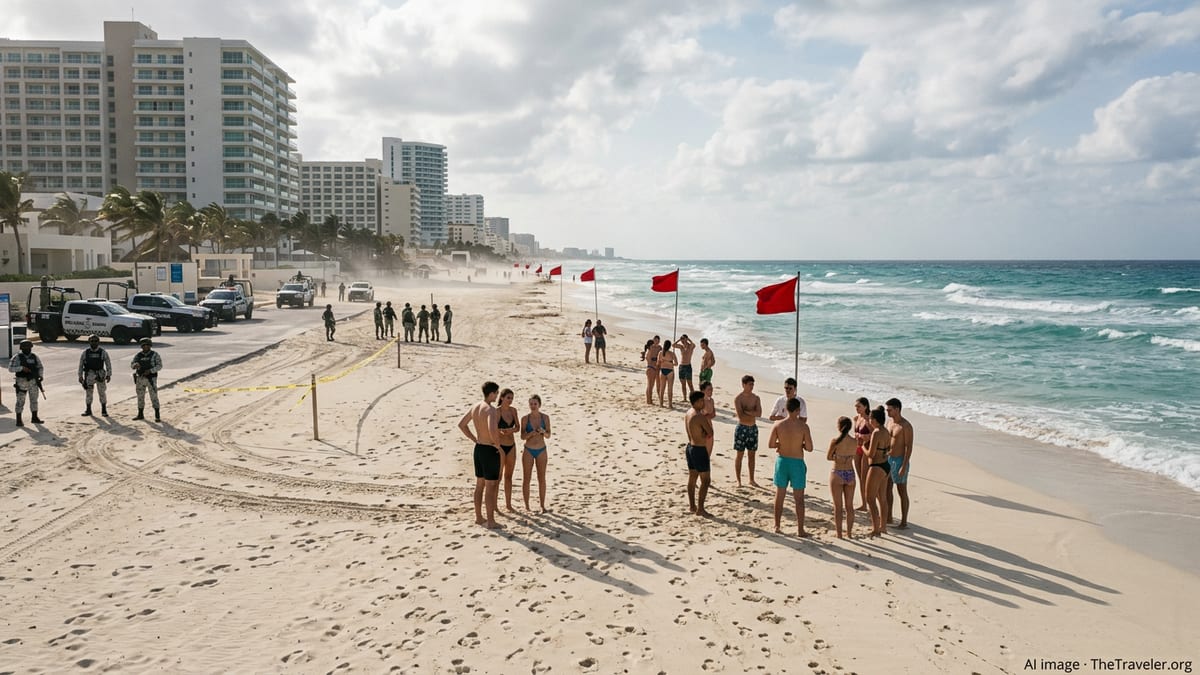
Advisories Stay Elevated As Cartel Violence Flares
The U.S. Department of State continues to rate Mexico overall at Level 2, urging travelers to exercise increased caution nationwide, but several states that many tourists transit through remain under far stricter warnings. A March 2026 update reaffirmed Level 4 “do not travel” advisories for Colima, Guerrero, Michoacán, Sinaloa, Tamaulipas and Zacatecas due to rampant cartel violence, kidnappings and an overstretched security apparatus in those regions.
Other states popular with visitors, including Jalisco, which is home to Guadalajara and the beach resort of Puerto Vallarta, and Baja California, where Tijuana and Ensenada sit along the U.S. border, carry Level 3 “reconsider travel” guidance. Officials stress that even if resort corridors feel comparatively insulated, routes in and out can pass through high-risk areas where criminal groups are active and clashes can erupt without warning.
The renewed advisories come on the heels of a large-scale military operation in Jalisco on February 22, 2026, that killed Nemesio Oseguera Cervantes, known as “El Mencho,” the powerful leader of the Jalisco New Generation Cartel. In response, cartel cells launched coordinated attacks across multiple states, torching vehicles, erecting roughly 250 roadblocks and targeting businesses, leaving dozens of soldiers and cartel members dead and at least one civilian killed.
Security experts warn that the death of such a dominant figure often fragments criminal organizations and fuels turf battles, raising the risk of unpredictable violence at least in the short term. Former U.S. drug enforcement officials have publicly cautioned that leisure trips are not worth the danger while the security situation remains fluid.
Tourists Caught In Roadblocks, Airport Disruptions And Lockdowns
The most recent wave of violence did not unfold only in remote mountain regions. In late February, roadblocks and burning vehicles snarled traffic on key highways and in urban areas, particularly in western and central Mexico. In Jalisco and neighboring states, travelers reported seeing deserted streets, shuttered shops and smoke plumes from torched buses and trucks as authorities urged residents and visitors to stay off the roads.
Air travel also took a hit at the height of the unrest. Airlines including American, United, Delta and Air Canada canceled large numbers of flights in and out of Guadalajara and Puerto Vallarta after local officials and foreign embassies advised people to shelter in place. Thousands of passengers were stranded, some confined to hotel compounds for days as managers scrambled to secure supplies and reassure anxious guests monitoring the situation from their phones.
For many college students and families, these images undercut the usual perception of beach destinations as bubbles sealed off from Mexico’s security challenges. Travel planners say that for spring break 2026, the chance of being trapped by rapidly imposed roadblocks or airport shutdowns is a real scenario that should be weighed alongside airfare and hotel costs.
Even where violence is not directly targeting tourists, being in the wrong place at the wrong time can mean canceled excursions, lost vacation days and unexpected expenses. Travel insurance with strong trip interruption and evacuation benefits is becoming less a luxury and more a necessity for those who choose to go.
Spring Breakers Face More Than Just Crime Risks
U.S. officials emphasize that the dangers for spring break travelers are not limited to high-profile cartel clashes. In a seasonal safety message ahead of the 2026 holiday period, the U.S. Embassy and consulates in Mexico warned of a broad spectrum of threats, from violent crime and sexual assault to synthetic drugs, unregulated alcohol and serious legal penalties for possession of vapes or illicit substances.
The advisory urges students and families to avoid narcotics entirely, noting that even small quantities can land foreigners in Mexican jails for extended periods. It also highlights a string of incidents involving spiked drinks, balcony falls and drownings, often linked to heavy alcohol use and what security professionals describe as “vacation brain,” the tendency for visitors to drop their guard once wristbands are on and beach chairs are in sight.
Law enforcement agencies on both sides of the border have also raised concerns about scams and opportunistic crimes in resort corridors. Reports include express kidnappings, in which victims are forced to withdraw money from ATMs, as well as robberies involving unlicensed taxis or informal ride providers. The U.S. government advises travelers to use registered transportation arranged through hotels or reputable companies and to be cautious when moving between nightlife districts and accommodations.
Health and regulatory issues add another layer of complexity. In some states, authorities are strictly enforcing smoking and vaping bans, including for visiting foreigners. Medical facilities in major cities and resort hubs are generally better equipped, but access can be more limited in outlying beach towns that attract younger crowds with lower prices and looser atmospheres.
Popular Beach Hubs Under Scrutiny, Not Immune
Mexico’s tourism industry continues to promote destinations such as Cancún, Playa del Carmen, Tulum, Los Cabos and Puerto Vallarta as safe, heavily policed enclaves far removed from headline-grabbing violence. While crime rates inside hotel zones are typically lower than in surrounding cities, recent data and incidents show that these corridors are not immune.
In the Caribbean state of Quintana Roo, home to Cancún and the Riviera Maya, authorities recorded more than one hundred homicides in the first months of a recent year, the vast majority linked to criminal groups. Security has been bolstered with National Guard patrols on major beaches, yet there have been multiple episodes in recent years of gunfights breaking out near resorts, armed robberies of tourists and disputes between taxi unions and ride-share drivers turning confrontational.
Travel analysts note that tourism has remained resilient despite recurring warnings, in part because all-inclusive properties work hard to keep disturbances outside their walls and to restore normal operations quickly when incidents occur. For visitors, that can create a sense of normalcy that obscures underlying volatility. They may see little of the tensions in surrounding neighborhoods or along the roads they traverse on airport shuttles.
Security consultants and some U.S. lawmakers are now more blunt in their messaging, arguing that young spring breakers in particular should consider choosing destinations with lower risk profiles until Mexico’s security picture stabilizes. At minimum, they say, travelers should avoid side trips to rural areas, late-night excursions off property and any activities that involve driving long distances after dark.
How To Rethink Your Spring Break Plans
For Americans who have already booked Mexico getaways, the emerging consensus from officials and experts is to stay closely informed and be prepared to pivot. That means monitoring State Department advisories and embassy alerts in the weeks and days before departure, as well as staying in regular contact with airlines and hotels about any local security disruptions.
Travel professionals recommend mapping out routes from airports to resorts and understanding whether they pass near any Level 3 or Level 4 states. They suggest arranging transportation in advance with vetted providers, confirming that accommodations have up-to-date security protocols and emergency plans, and sharing itineraries and contact details with family members at home.
Others are deciding that this is the year to change course entirely. Alternative spring break options in the Caribbean, Central America or within the United States are seeing renewed interest from families and universities wary of sending students into what one former U.S. official recently described as a volatile environment. Price, they say, should not be the only consideration when weighing where to spend a week off from classes.
For those who still opt for Mexico’s beaches, seasoned observers say the mindset has to shift from carefree to calculated. That can mean trading late-night bar crawls for daytime excursions, limiting alcohol consumption, traveling in groups, and treating official alerts and local warnings with the same seriousness one would apply to a hurricane forecast. The message from authorities this spring is clear: prepare, stay safe and stay connected, or be ready to sit this season out.