

Mexico is one of the most compelling destinations in the Americas, blending ancient civilizations, contemporary culture, diverse landscapes, and a warm, welcoming spirit. For first-time visitors it can also feel overwhelming: the country is vast, information about safety can seem confusing, and practical details often change. This guide brings together up-to-date considerations with on-the-ground advice to help you plan a rewarding, realistic and safe first journey to Mexico.
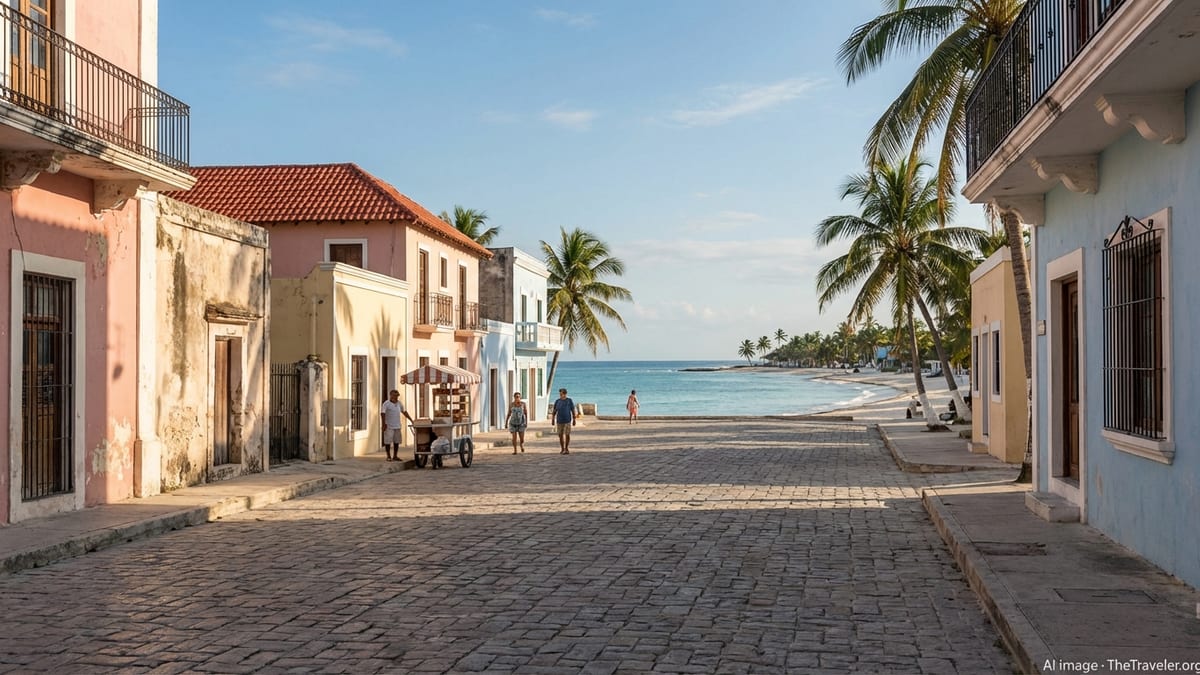
Understanding Mexico Today: Big Picture & Safety Context
Mexico covers a huge area, from desert landscapes in the north to tropical jungles in the south, and from Pacific surf towns to Caribbean resorts. Experiences range from highly developed beach destinations and cosmopolitan cities to remote highland villages. For a first-time visitor, it is important to recognize that the tourism experience in major resort and cultural hubs is usually very different from the security dynamics that make headlines.
In early 2026, Mexico has remained one of the most visited countries in the world, with millions of international travelers arriving each year to destinations such as Cancun, the Riviera Maya, Los Cabos, Puerto Vallarta, Mexico City, Oaxaca, and the Yucatán interior. Most trips are trouble free, particularly when visitors stay in established tourist corridors, use reputable transport and accommodations, and follow local guidance.
At the same time, several Mexican states continue to experience serious organized crime activity. Recent security operations, including a high-profile February 2026 crackdown on a major cartel leader in Jalisco, triggered short-term unrest and temporary shelter-in-place advice in parts of western Mexico. Advisories have since eased, but governments still classify some states as areas where travelers should avoid nonessential travel, particularly parts of Colima, Guerrero, Michoacán, Sinaloa, and Tamaulipas. Conditions can change quickly, so travelers should always consult their government’s latest travel advisory and monitor local news before and during their trip.
For a first-timer, the most practical approach is to focus on well-established destinations with strong tourism infrastructure, avoid traveling at night between cities, and book reputable transportation and lodging. Staying informed, being cautious about alcohol use, keeping valuables discreet, and following hotel or local authority advice will go a long way toward ensuring a safe and enjoyable introduction to Mexico.
When to Go and Where to Start
Mexico is a year-round destination, but weather and crowd patterns vary significantly by region. Broadly, the dry season runs from about November to April, bringing sunnier skies and lower humidity to much of the country. This is peak travel season, especially around Christmas and New Year, and during spring break weeks when beach destinations can feel particularly busy and prices rise. The rainy season typically runs from May to around October, with short, intense afternoon showers common in many areas and higher humidity along the coasts.
On the Caribbean side, including Cancun, Playa del Carmen, Tulum and Cozumel, conditions are often most comfortable during the dry months when humidity drops and sea conditions tend to be calmer. The Pacific coast, from Puerto Vallarta down to Zihuatanejo and Huatulco, also feels at its best between about November and April, while summer can be hotter, wetter and more humid, though also greener and often less expensive. Central highland cities such as Mexico City, Puebla, Guanajuato and San Miguel de Allende usually enjoy mild, spring-like weather for much of the year, with cooler evenings due to altitude.
First-time visitors often choose one of three broad entry points. The Caribbean coast offers classic resort stays with accessible day trips to cenotes and Maya ruins. The Pacific coast appeals to those who want a mix of beaches, whale watching in season, and relaxed towns. Mexico City and the central highlands attract travelers interested in museums, food, design, and colonial architecture. Many itineraries sensibly combine one urban hub with a beach or smaller town, using domestic flights or intercity buses to connect the dots.
Whenever you plan to visit, be aware that September and October can bring a higher chance of storms and hurricanes along both coasts. Travel is still possible, and many trips proceed without disruption, but flexible plans, appropriate travel insurance, and a willingness to adapt your itinerary in response to forecasts are especially important at that time of year.
Entry Requirements, Documents and Health Essentials
Entry rules for Mexico are relatively straightforward for many nationalities, but they are subject to change and should always be checked with official sources before you travel. Many visitors from Europe, parts of Latin America and some other regions can enter visa-free for tourism for stays of up to about 180 days, as long as they carry a passport valid for the duration of the stay and satisfy immigration officials that they are genuine tourists with onward travel. Travelers who hold valid visas or permanent residence for the United States, Canada, the United Kingdom, Japan or the Schengen Area may often enter Mexico without a separate Mexican visa under specific conditions, but should confirm details relevant to their nationality in advance.
Upon arrival, visitors normally complete an entry form sometimes informally called a tourist card. In recent years, some major airports have shifted toward electronic registration, while others still use paper forms. Airlines generally incorporate a non-immigrant fee into the price of the ticket, which covers the cost of the tourist permit. Border regulations can evolve, and fees have been adjusted in recent years, so it is wise to review the latest information close to your travel date and keep all documents that immigration officers provide until you depart.
Health requirements can also change, but at present there are no broad, routine testing or vaccination rules for most tourists comparable to those during the peak of the Covid-19 pandemic. Nevertheless, travelers should ensure that routine vaccinations are up to date and consider region-specific risks such as mosquito-borne diseases in tropical areas. Using insect repellent, wearing light long sleeves in the evenings, and staying in accommodations with screened windows or air conditioning are simple measures that can reduce exposure.
Travel and medical insurance remains essential. Medical care quality varies widely across Mexico, from excellent private hospitals in major cities and resorts to more limited facilities in remote areas. Private treatment can be expensive, and some clinics may expect payment or confirmation of coverage before providing non-emergency care. A robust policy that covers emergency treatment, evacuation, trip disruptions and theft will add peace of mind and is often a requirement for certain types of organized tours.
Money, Costs and Paying Safely
The currency in Mexico is the Mexican peso. In most cities and tourist destinations, visitors will find a mix of ATMs, banks, currency exchange houses and card-accepting businesses. For a first-time traveler, the simplest approach is often to bring a primary debit card and at least one credit card with low or no foreign transaction fees, use ATMs at reputable banks to withdraw pesos as needed, and keep a modest reserve of cash on hand for small purchases, tips and situations where card systems are offline.
When using ATMs, it is generally safer to choose machines located inside or immediately adjacent to bank branches or inside shopping centers, and to withdraw during business hours. Many machines ask whether you want to be charged in your home currency or in pesos. Choosing your home currency usually means accepting a less favorable exchange rate determined by the local bank, a system known as dynamic currency conversion. For most travelers it is more economical to select pesos and allow your own bank to perform the conversion. Always shield your PIN, avoid help from strangers, and check any machine for signs of tampering.
In popular destinations, hotels, midrange and upscale restaurants, large supermarkets and tour operators commonly accept major credit cards. Smaller guesthouses, street-food vendors, local markets, and rural businesses are more likely to be cash-only. It is wise to carry smaller bills to pay for taxis, snacks and tips, especially outside major cities. Tipping is customary: in sit-down restaurants many locals leave around 10 to 15 percent for good service, with higher amounts in more upscale venues. Hotel staff, guides and drivers also commonly receive modest tips, often in pesos rather than foreign currency.
Costs vary widely by region and travel style. Resort areas and fashionable neighborhoods in Mexico City, Oaxaca, Tulum or Los Cabos can feel as expensive as many North American or European cities, especially in high season. However, using public transport, eating at local fondas and markets, and staying in guesthouses or midrange hotels can make a trip more affordable. As with any destination, carrying only the cash you need for the day, using hotel safes when available, and separating cards and cash between bags can reduce the impact of any loss or theft.
Getting Around: Flights, Buses and Local Transport
Because Mexico is so large, domestic flights are often the most time-efficient way to cover long distances. Major carriers and a growing number of low-cost airlines connect Mexico City, Guadalajara and Monterrey with beach destinations and regional hubs such as Cancun, Mérida, Oaxaca, Puerto Vallarta, Los Cabos, and Tijuana. Booking in advance usually secures better fares, and travelers should read baggage rules carefully, as basic fares on low-cost airlines may exclude checked luggage.
For overland travel, Mexico’s network of intercity buses is extensive and widely used by locals. Premium and first-class buses on key routes typically offer reserved seating, air conditioning and luggage compartments, and can be an economical and comfortable way to travel between cities. Whenever possible, buy tickets inside official terminals or directly from the bus company, travel by day, and choose well-known operators. In some regions, particularly those subject to higher security advisories, overland night travel between cities is not recommended.
Within cities and resorts, transportation options include registered taxis, authorized airport taxis, ride-hailing apps where permitted, hotel shuttles, and local buses. In larger cities, the metro and bus rapid transit systems can be efficient, though they can also be crowded at peak times. Official airport taxis and pre-booked private transfers offer more predictable pricing and security than negotiating ad hoc rides outside terminals. Wherever you are, use common-sense precautions: confirm the fare before starting a ride if the vehicle is not metered, avoid sharing unmarked taxis with strangers, and consider sitting in the back seat.
For those considering driving, conditions vary sharply by region. Major toll highways between major cities are generally in better condition and considered safer than free roads, but fuel stations and services may still be spaced out in remote stretches. Some areas of the country are not advisable for self-driving due to crime, road conditions or lack of services. If you plan to rent a car, research your specific route, ensure you have appropriate insurance, keep doors locked, avoid driving at night between cities, and follow any updated advice from your rental company and local authorities.
Culture, Etiquette and Everyday Practicalities
Mexican culture is diverse and regionally varied, but first-time visitors will often encounter a strong emphasis on courtesy, family, and hospitality. Simple efforts such as greeting shop staff or fellow passengers with a polite buenos días, buenas tardes or buenas noches, and using por favor and gracias, are appreciated. In many social settings, people are slightly more formal at first than in some parts of North America; handshakes and friendly but not overly familiar greetings are common when meeting someone for the first time.
Dress expectations depend on context. Beachwear is normal on the sand and at pools, but in towns away from the waterfront, and particularly when visiting churches, archaeological sites or more formal restaurants, modest casual clothing is more appropriate. In Mexico City, Guadalajara and other big cities, you will see a wide range of styles, and smart-casual attire is common in restaurants and bars.
Spanish is the primary language, though there are many Indigenous languages spoken across the country. In major tourist areas, you will usually find people in hotels, restaurants and tour companies who speak some English, but this is less likely in local markets or small towns. Learning a few phrases in Spanish will ease daily interactions and is frequently met with encouragement, even if your pronunciation is imperfect.
Everyday practicalities include adjusting to the local meal schedule, which often features a later main meal and later evening dining than in some other countries. Tap water is generally not consumed directly, so most visitors rely on bottled or filtered water; many hotels and guesthouses provide drinking water dispensers. As anywhere, taking standard food and water precautions helps prevent stomach upsets: favor places with good turnover, ensure hot foods are served hot, and be cautious with salads or ice in venues where hygiene standards appear inconsistent.
Highlight Regions for a First Trip
For a first visit, it is usually better to focus on one or two regions rather than trying to see the entire country. The Yucatán Peninsula, which includes Cancun, Playa del Carmen, Tulum and the colonial city of Mérida, is a popular starting point. Visitors are drawn by white-sand Caribbean beaches, cenotes for freshwater swimming, and access to Maya archaeological sites such as Chichén Itzá and other complexes inland. Resorts range from all-inclusive complexes to smaller boutique hotels and guesthouses, and it is easy to arrange organized excursions if you prefer not to rent a car.
Mexico City and the central highlands appeal to those more interested in history, art and food. The capital offers world-class museums, from pre-Hispanic collections to contemporary galleries, as well as leafy neighborhoods, markets, and a dynamic dining scene. From there, travelers often extend trips to nearby colonial cities such as Puebla, Querétaro, San Miguel de Allende or Guanajuato, each with its own distinct character and walkable historic center.
On the Pacific coast, Puerto Vallarta, Los Cabos, and smaller towns along the Riviera Nayarit and in Oaxaca state provide a different seaside experience, with sunsets over the ocean, opportunities for surfing and, in the right season, whale watching and marine-life encounters. These destinations can be especially appealing in the northern hemisphere winter months, when temperatures in many travelers’ home countries drop.
Wherever you choose, align your plans with your interests and risk tolerance. Some travelers prefer to stay within resort complexes or established central neighborhoods, while others are comfortable exploring more independently and using public transport. Reading recent reports, checking your government’s advice on specific states, and choosing operators with strong reputations will help you select destinations that match the experience you want.
The Takeaway
Mexico offers first-time visitors a compelling mix of natural beauty, living Indigenous and colonial heritage, and contemporary creativity. The same scale and diversity that make the country so fascinating can also make it challenging to plan a first trip. By focusing on a few well-connected regions, traveling in seasonally appropriate months, and using established tourism infrastructure, many travelers find that their concerns give way quickly to curiosity and enjoyment.
Planning ahead is especially important in 2026, when security operations in some states and evolving entry and fee rules mean conditions can shift rapidly. Keeping your itinerary flexible, staying informed through official advisories, and selecting reputable hotels, tour operators and transport providers are practical safeguards rather than reasons to stay away. Most visitors who take these steps experience Mexico as locals hope they will: as guests welcomed into a complex, generous country.
With realistic expectations, a focus on safety basics, and an openness to local customs, a first trip to Mexico can be the beginning of a long-term connection. Many travelers return repeatedly, drawn by the chance to explore new regions and deepen their understanding of a country that cannot be reduced to a single story or stereotype.
FAQ
Q1. Is it safe to travel to Mexico right now for a first-time visit?
Safety in Mexico varies by region. Major tourism hubs and resort areas remain busy and generally calm, while some states continue to experience significant crime and are subject to stricter advisories. Before you book, check the latest guidance from your government on specific states, avoid nonessential travel to areas flagged as very high risk, and favor established destinations with strong tourism infrastructure.
Q2. Do I need a visa to visit Mexico as a tourist?
Many travelers can visit Mexico visa-free for tourism for a stay of up to roughly 180 days, especially citizens of countries in North America, much of Europe and parts of Latin America. Others may need to obtain a visa in advance or may qualify for simplified entry if they hold a valid visa or permanent residence for the United States, Canada, the United Kingdom, Japan or the Schengen Area. Because rules differ by nationality and can change, always confirm requirements with official Mexican consular information before you travel.
Q3. What is the best time of year for a first trip to Mexico?
The dry season from around November to April generally offers the most comfortable weather in many regions, especially along the coasts and in popular resort areas. This is also peak season, with higher prices and more crowds. The rainy months from about May to October can still be rewarding, with greener landscapes and lower costs, but you should be prepared for heat, humidity and short daily downpours, and pay closer attention to storm and hurricane forecasts in September and October.
Q4. Which regions are best for a first-time visitor?
Popular choices for a first visit include the Yucatán Peninsula for Caribbean beaches, cenotes and Maya sites; Mexico City and nearby colonial towns for culture, museums and food; and Pacific coast destinations such as Puerto Vallarta or Los Cabos for ocean views and marine activities. Choosing one or two regions that match your interests, rather than trying to see the entire country, usually makes for a more relaxed and rewarding first trip.
Q5. How much Spanish do I need to know?
You can visit major tourist areas with very limited Spanish, as many hotels, restaurants and tour operators have English-speaking staff. However, outside of those settings, English is less widely spoken. Learning basic phrases for greetings, directions, ordering food and handling simple transactions will make daily life easier and is usually appreciated by locals, even if your pronunciation is not perfect.
Q6. Is it safe to drink the tap water in Mexico?
In most of Mexico, locals and visitors do not drink tap water directly. Hotels, restaurants and households typically rely on bottled or filtered water for drinking and often for making ice. As a visitor, you should use bottled or purified water for drinking and toothbrushing, and favor establishments that appear to follow good hygiene practices. Many accommodations provide drinking water dispensers so you can refill reusable bottles.
Q7. What should I know about using money and ATMs?
The Mexican peso is the official currency, and you will find ATMs in cities and tourist areas. It is usually safest to use machines inside or next to bank branches during business hours, and to choose to be charged in pesos rather than in your home currency to avoid unfavorable exchange rates. Credit cards are widely accepted in hotels and larger businesses, but you will still need cash for smaller purchases, tips and local transport. Carry only what you need for the day, and keep backup cards in a separate place.
Q8. Is public transport a good option for tourists?
Intercity buses are widely used and can be a comfortable and cost-effective way to travel between major destinations, especially when you choose recognized companies and daytime departures. Within cities, options include metro systems, bus rapid transit, local buses, taxis and ride-hailing services where allowed. For a first visit, many travelers combine pre-booked airport transfers, official taxis and occasional use of public transport, adjusting their choices based on local advice and personal comfort.
Q9. How should I handle safety when going out at night?
In many tourist areas and central neighborhoods of major cities, going out at night is a normal part of local life, but basic precautions are important. Stay in areas recommended by your accommodation, use registered taxis or reputable ride-hailing services rather than hailing vehicles off the street, keep valuables discreet, avoid excessive alcohol, and do not accept drinks from strangers. If local authorities or your hotel advise against being out late in a particular area, follow that guidance.
Q10. What kind of travel insurance do I need for Mexico?
For Mexico, it is sensible to choose a travel insurance policy that covers emergency medical treatment, medical evacuation, trip cancellation or interruption, and theft or loss of belongings. Medical care at private hospitals in major cities and resorts can be of high quality but expensive, and some facilities may require proof of ability to pay. Check policy details carefully, including coverage limits, exclusions related to pre-existing conditions, and any restrictions on activities such as diving or adventure sports you might undertake.