

More news on this day
MGM Resorts International’s latest earnings release and 2026 outlook point to a reshaped growth story for global hospitality, with softer results on the Las Vegas Strip offset by rising digital betting, Macau recovery and a new wave of large-scale development in Asia.
Get the latest news straight to your inbox!
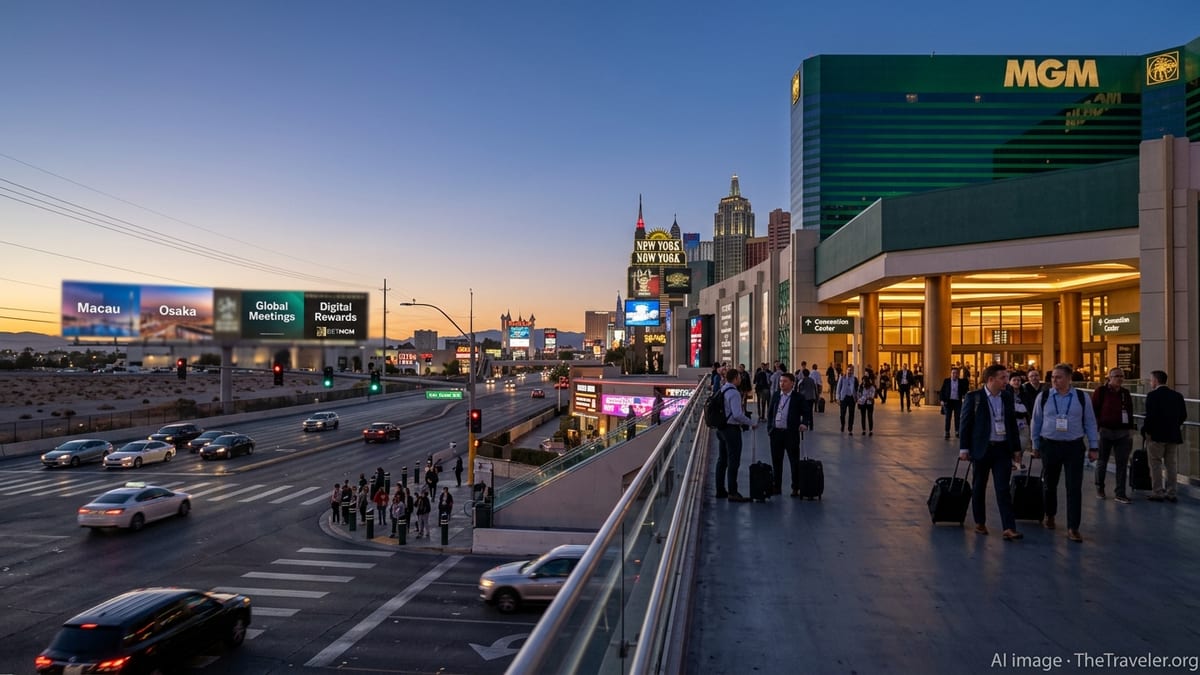
From 2025 Results To A 2026 Reset
Publicly available financial filings show that MGM Resorts closed 2025 with consolidated net revenues of about 4.6 billion dollars in the fourth quarter, a year over year increase of roughly 6 percent. Net income attributable to the company rose sharply compared with the prior year period, while adjusted profitability also improved, signaling that cost controls and mix of business are helping to support margins even as some core markets slow.
Despite this headline growth, Las Vegas performance in late 2025 was mixed. Industry coverage indicates that key hotel metrics on the Strip, including occupancy, average daily rate and revenue per available room, declined in the fourth quarter. RevPAR was reported to be down around 10 percent in the period, reflecting tougher comparisons after a surge of high profile events and strong leisure demand in earlier quarters.
Against that backdrop, the company’s 2026 commentary effectively marks a reset of expectations. Management guidance and investor presentations emphasize a shift from short term event driven spikes in Las Vegas toward steadier drivers such as group and convention business, the ramp up of renovated product, and expanding international contributions. For the broader hospitality sector, this pattern aligns with a cooling of post pandemic pent up travel demand in North America and a move into a more normalized, cycle driven phase of growth.
Las Vegas Strip: Renovations, Conventions And A Strategy Shift
For travel markets, MGM’s outlook for Las Vegas in 2026 matters well beyond gaming. The company operates several of the Strip’s largest integrated resorts, making its room, convention and entertainment strategy a bellwether for citywide trends. Presentation materials tied to the latest earnings indicate that the completion of a large scale room remodel at MGM Grand is expected to support higher rate and improved mix as refreshed inventory returns to full availability.
At the same time, commentary around the earnings release highlights a stronger base of group and convention bookings heading into 2026. This suggests a pivot from the event heavy, transient driven patterns of recent years toward more traditional meetings and incentive travel. For airlines, destination management firms and smaller independent hotels, a healthier convention calendar typically translates into more predictable midweek demand and longer booking windows.
Yet the fourth quarter slowdown also underscores the risks of relying too heavily on mega events and premium leisure segments. Reports indicate that, once the calendar of special events eased, room pricing and gaming volumes normalized more quickly than some investors expected. That dynamic has implications for destination planners worldwide, reinforcing the importance of diversified demand across business, group and leisure segments rather than a narrow focus on headline spectacles.
Macau And MGM China: Asia’s Rebound Enters Its Next Phase
Beyond the United States, MGM’s latest earnings materials highlight the continued importance of Macau and MGM China to the company’s growth narrative. Sector analyses of the quarter note that Macau operations delivered year over year revenue gains, benefiting from the recovery of premium mass gaming and steady improvements in main floor table play. These trends mirror a broader rebound across the territory as outbound travel from mainland China gradually normalizes.
For global hospitality growth, Macau’s trajectory is critical. The destination blends large scale integrated resorts with dense hotel room counts, major entertainment venues and a growing non gaming offer of retail, dining and events. As visitation recovers, operators are leveraging yield management strategies familiar to major urban hotel markets, including aggressive segmentation of premium mass customers and targeted marketing to regional feeder cities.
MGM’s positioning in Macau also illustrates how global brands are rebalancing portfolios geographically. With Las Vegas maturing and many regional U.S. markets stabilizing, incremental growth is increasingly sourced from Asian hubs where infrastructure investment and government support for tourism remain strong. That shift is likely to influence where global hotel chains, suppliers and investors allocate capital over the rest of the decade.
Digital Betting, BetMGM And The New Travel Demand Curve
The earnings cycle that set up MGM’s 2026 outlook also placed strong emphasis on the digital betting venture BetMGM. Investor presentations summarizing 2025 performance report net revenue of approximately 2.8 billion dollars for BetMGM, with positive adjusted EBITDA and a sharp improvement versus the prior year. Looking ahead, guidance for 2026 projects net revenue in a range above 3.1 billion dollars, alongside higher profitability targets.
While these numbers originate in online gaming rather than traditional hotel operations, they have growing relevance for travel demand. Digital sports betting and online casino platforms deepen customer relationships and extend brand engagement beyond physical stays. As loyalty ecosystems integrate play across apps and on property spend, gaming customers can be steered toward specific resorts, dates and destinations, smoothing demand across shoulder periods.
For global hospitality players, MGM’s digital trajectory highlights a broader shift toward data driven personalization. Other major hotel and gaming companies are making similar moves, using betting apps, mobile check in and dynamic offers to influence when and where customers travel. Over time, this may reduce the volatility of purely event driven spikes, replacing them with more constant streams of incentivized visits tied to digital engagement metrics.
Osaka, International Pipelines And The Next Generation Of Integrated Resorts
Among the most closely watched elements of MGM’s longer term outlook is its international development pipeline, particularly the planned integrated resort in Osaka, Japan. Publicly available information on project timelines and licensing indicates that the Osaka resort is expected to open later in the decade, rather than in 2026, but capital allocation and planning decisions being made now are already shaping the company’s growth profile.
The Osaka project points to an evolution in what integrated resorts represent for global tourism. The development is positioned not only as a gaming complex but also as a large convention, entertainment and cultural hub intended to anchor inbound travel. For airlines, tour operators and regional destinations, such mega projects can reset travel flows, encouraging multi city itineraries that combine traditional cultural sightseeing with resort based stays.
More broadly, MGM’s commitment to Osaka and other international opportunities reflects how leading hospitality and gaming brands are rethinking geographic risk. With the 2026 outlook leaning on diversified sources of revenue, companies are more reluctant to depend on any single market, whether Las Vegas, Macau or a specific digital channel. For investors and policy makers, that diversification underscores the increasingly global nature of tourism capital and the need for regulatory frameworks that can accommodate cross border resort ecosystems.