

More news on this day
Miami has been added to a growing list of US gateways where airlines are allowed to keep Cuba routes on hold, as federal regulators extend dormancy waivers that let carriers such as Delta Air Lines, JetBlue Airways and American Airlines temporarily pause flights to Havana and key regional destinations including Varadero, Holguín and Camagüey.
Get the latest news straight to your inbox!
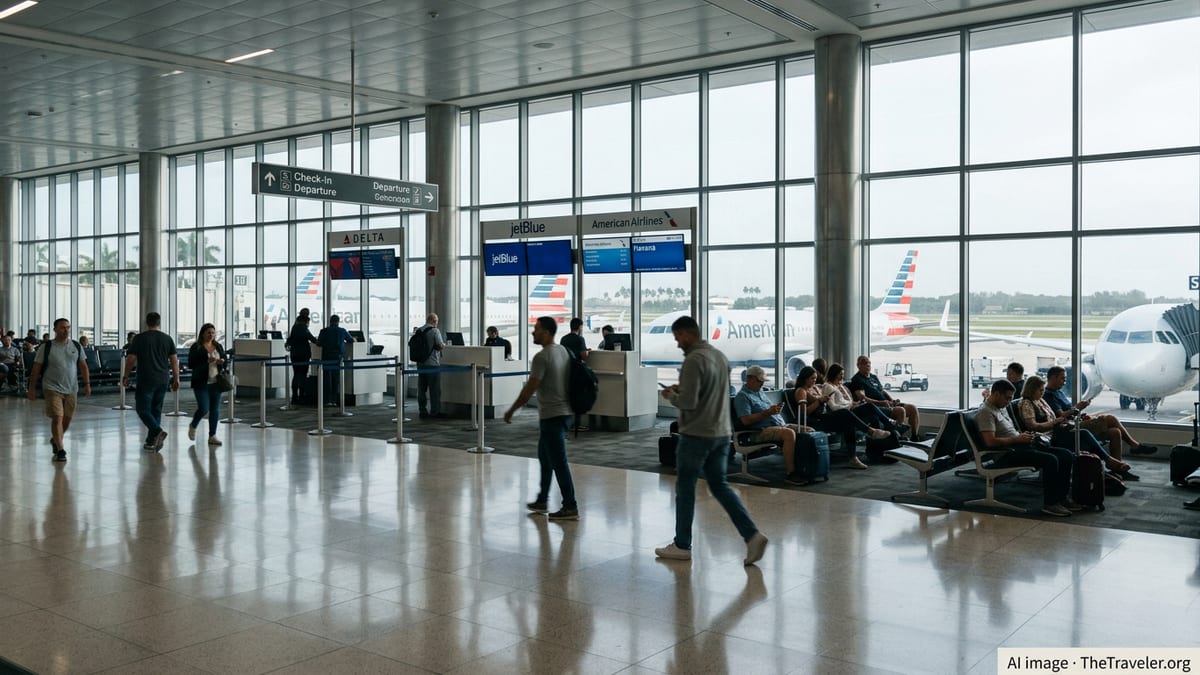
What the New Waivers Mean for Miami and Other Gateways
Recent filings and decisions from the US Department of Transportation show that Miami now features prominently in a series of dormancy waivers covering US Cuba route authorities held by several major airlines. These waivers allow carriers to reduce or suspend scheduled services without automatically forfeiting their hard-won route rights, a protection that has become increasingly important amid volatile demand and operational constraints affecting Cuba.
Publicly available documents describe continued relief for Delta’s Atlanta Havana authority, JetBlue’s Fort Lauderdale Havana frequencies and a set of American Airlines routes from Miami into secondary Cuban cities. Collectively, these actions signal that regulators accept that current market conditions do not support full use of the US Cuba capacity that was restored after the broad reopening of scheduled flights earlier in the decade.
For Miami specifically, the latest approvals do not eliminate all links with Cuba. Instead, they let American and other operators keep selected flights on pause, especially to regional destinations outside Havana, while maintaining a core schedule on the highest demand trunk routes. The result is a network that remains heavily centered on Miami Havana, even as many smaller city pairs stay dormant.
American Airlines Keeps Multiple Cuba Routes on Hold
American Airlines, the dominant US carrier to Cuba, has requested and received permission to continue suspending several Miami based routes, according to regulatory filings and industry analysis. These include roundtrips from Miami to Camagüey, Holguín and Matanzas Varadero on certain days of the week, along with reductions on multiple daily Miami Havana frequencies and a pause on Miami Santiago de Cuba service.
Information outlined in recent dockets indicates that American’s dormancy relief covers a defined set of weekly frequencies rather than a blanket withdrawal from the market. The airline continues to operate the majority of its Miami Havana schedule, but at a lower intensity than the total number of Cuba frequencies it is authorized to use. The paused flights are concentrated on thinner regional routes and off peak Miami Havana operations where demand has been slower to recover.
American’s approach mirrors a broader strategy of redeploying aircraft to higher yielding routes elsewhere in its network while preserving options to rebuild Cuba flying if economic or political conditions change. For travelers in South Florida, that means Havana remains accessible from Miami with multiple daily departures, but direct links to other Cuban cities are more limited and in some cases remain unavailable for the upcoming seasons.
Delta, JetBlue and Other Carriers Rely on Extended Flexibility
Delta Air Lines and JetBlue Airways are also making use of extended dormancy waivers on their Cuba route portfolios. Publicly accessible DOT records show that Delta continues to hold authority for daily Atlanta Havana service and Miami Havana capacity while operating a reduced schedule, particularly during the winter and shoulder seasons. Previously dormant Atlanta Havana slots remain protected under the latest relief, giving Delta room to reassess when or whether to bring the route back.
JetBlue, which once built a sizable presence in the US Cuba market from Fort Lauderdale, has gradually pulled back as conditions shifted. Regulatory approvals have allowed the carrier to keep a block of Fort Lauderdale Havana frequencies dormant across multiple seasons, effectively freezing those rights while JetBlue focuses on other Caribbean and transcontinental flying. Industry reports also highlight that other US airlines, including Southwest and United, have trimmed or exited selected Cuba routes through similar requests for temporary exemptions and waivers.
Taken together, the waivers for Delta, JetBlue, American and their peers reflect a consensus that the demand profile envisioned when scheduled US Cuba services were first expanded has not fully materialized. Carriers are opting for flexibility, keeping a foothold in the market while avoiding the financial strain of flying lightly filled aircraft on every authorized route.
Travelers Face Patchy Connectivity Beyond Havana
For passengers, the most visible impact of the latest approvals is a patchwork of connectivity that favors Havana over regional Cuban airports. Schedules compiled by industry trackers show that services to holiday and provincial destinations such as Varadero, Holguín and Camagüey are operated less frequently, if at all, compared with pre pandemic aspirations. Where flights do exist, they may run only on selected days and are subject to seasonal adjustments.
The situation is further complicated by Cuba’s recent jet fuel shortages, which have prompted non US airlines to suspend or reroute flights at several airports across the island. While short haul operations from Florida can often operate with sufficient fuel uplifted in the United States, disruptions and operational workarounds elsewhere in Cuba add another layer of uncertainty for travelers hoping to connect beyond Havana on foreign carriers.
Prospective visitors and Cuban Americans planning family visits are being encouraged by travel advisers to pay close attention to current schedules, as historical route maps may no longer reflect what is actually operating. Many observers also note that, with a number of routes sitting idle under waivers, last minute schedule changes remain possible as airlines respond to evolving economic pressures and regulatory decisions.
What to Watch Next for US Cuba Air Travel
Looking ahead, the key question for US Cuba air service is whether a sustained recovery in demand or a shift in policy will prompt airlines to reactivate their dormant routes. The waivers granted to American, Delta, JetBlue and others generally apply to specific scheduling seasons, meaning carriers will need to return to regulators periodically if they wish to keep certain frequencies on pause beyond the current approvals.
Industry commentary points to several variables that could influence those choices, including Cuba’s economic situation, travel rules on both sides of the Florida Straits and the broader availability of aircraft in US fleets. If leisure and visiting friends and relatives traffic strengthens, airlines may look to restore some Miami Varadero, Holguín and Camagüey links, using Miami’s role as the primary US gateway as a foundation for renewed expansion.
For now, Miami’s inclusion alongside Fort Lauderdale, Atlanta and other cities in the roster of gateways covered by Cuba dormancy waivers confirms that the post reopening reset of US Cuba air travel is still underway. Travelers will continue to see Havana as the main point of access, with the rest of the island served by a thinner and more changeable network than early forecasts once suggested.