

More news on this day
Miami International Airport is experiencing major disruption as 265 flights are reported delayed and nine canceled, tangling schedules for American Airlines, United, Frontier and other carriers on busy routes to New York, Chicago, London, Dallas and Los Angeles.
Get the latest news straight to your inbox!
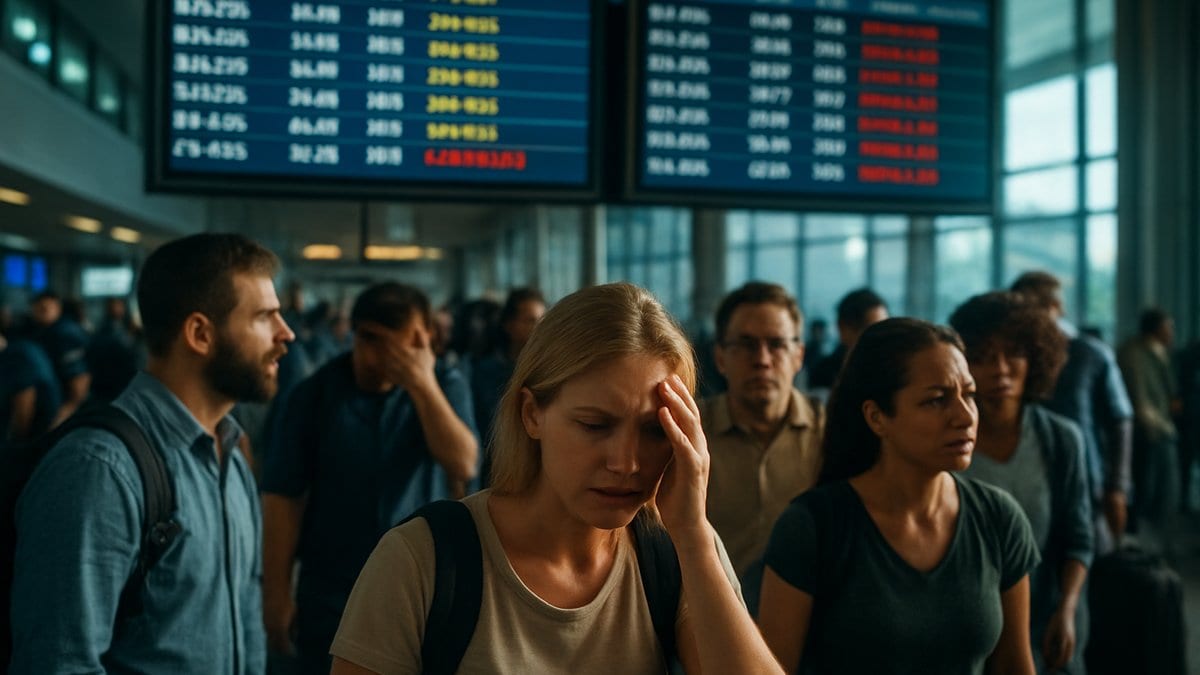
Heavy Delays Ripple Across Major Domestic and International Routes
Publicly available flight data and industry coverage indicate that the disruption at Miami International Airport is concentrated on high-demand routes linking South Florida to major business and tourism hubs. Services between Miami and New York, Chicago, Dallas and Los Angeles are among the most affected, along with select transatlantic connections to London.
The pattern reflects Miami’s role as a critical junction in the U.S. aviation network. Many of the affected flights connect through large hub airports where operations are already tight, so delays on departures from Miami quickly cascade into missed connections and further schedule changes throughout the day.
According to reports focusing on today’s travel patterns, the majority of impacted services involve short and medium haul routes, but long haul links are not immune. A delayed departure from Miami to London or Los Angeles can trigger crew scheduling issues and aircraft rotations that affect subsequent flights well beyond South Florida.
Travel and aviation outlets note that this wave of interruptions in Miami is unfolding alongside broader disruption at other major U.S. hubs, magnifying the effect on both domestic and international itineraries.
American, United and Frontier Among Hardest Hit Carriers
Coverage from travel industry news sources identifies American Airlines, United Airlines and Frontier Airlines among the most disrupted operators at Miami International Airport during this episode. These carriers operate dense schedules in and out of Miami, connecting the airport to large gateways including New York, Chicago, Dallas and Los Angeles.
American Airlines maintains one of its largest networks through Miami, particularly on routes to New York area airports, Dallas Fort Worth and major Midwestern and West Coast cities. When operations tighten, any delay at Miami can interfere with aircraft and crew rotations serving Chicago, Los Angeles and onward international destinations.
United and Frontier, while operating smaller schedules at Miami than American, still play a key role in linking South Florida with other busy hubs. Reports indicate that delayed departures and arrivals for these airlines are contributing to missed connections and longer-than-expected ground times for passengers across the network.
Industry analysis suggests that the combination of multiple airlines experiencing concurrent delays at the same airport increases pressure on shared resources such as gates, ground handling and air traffic flow, making recovery more complex as the day progresses.
Knock-on Effects Felt at New York, Chicago, Dallas, London and Los Angeles
Operational disruptions at Miami are rarely contained to South Florida alone. Aviation tracking data and travel news coverage show that when Miami experiences a spike in delays, downstream effects often appear at other major hubs, particularly where passenger and aircraft connections are tightly scheduled.
New York airports, notably those handling heavy traffic from Florida, can see arrival banks bunch up, leading to congestion at gates and on taxiways. Similar patterns may emerge at Chicago and Dallas, where large numbers of passengers connect from Miami to onward flights across the United States.
On international routes, the impact is visible on services to London and other long haul destinations. A late inbound aircraft from Miami can compress turnaround times or force schedule adjustments at already busy overseas hubs, affecting flights even for travelers who are not passing through South Florida.
Los Angeles, another high-volume coastal gateway, can also experience knock-on effects. When flights out of Miami arrive off-schedule, it can interfere with sequencing for later departures to other West Coast cities or transpacific markets, extending the disruption beyond the original route.
Operational Strain, Weather and Network Congestion Under Scrutiny
While precise causes for each individual delay differ, publicly available information suggests a mix of operational strain, weather influences and broader network congestion is behind the Miami disruption. Travel industry reports point to increased demand around peak periods, tight aircraft utilization and staffing constraints as recurring themes in recent U.S. aviation disruptions.
Even relatively brief bouts of adverse weather in South Florida or at connecting hubs can trigger ground delays, rerouting and holding patterns that reverberate through the system. When combined with high passenger volumes and packed timetables, recovery from an initial setback often takes several hours, especially at complex hubs such as Miami.
Analysts also note that Miami’s role as a gateway to Latin America and Europe adds an extra layer of complexity. Airlines must coordinate long haul departures, regional connections and domestic services within limited gate and runway capacity, leaving little margin when multiple flights begin to run late at once.
Recent discussions in aviation circles have highlighted the need for more resilient scheduling and contingency planning, particularly at airports that serve as critical transfer points for multiple carriers and regions.
What Passengers Can Expect and How to Navigate the Disruption
For travelers passing through Miami during this period of disruption, the practical effect is longer waits at gates and security checkpoints, crowded departure areas and a higher chance of missed connections. Passengers on routes to and from New York, Chicago, Dallas, London and Los Angeles are especially exposed, given the number of affected flights on those corridors.
Consumer guidance from travel experts recommends that passengers monitor their flight status frequently on official airline channels, arrive at the airport earlier than usual and be prepared for last minute gate or schedule changes. Those with tight connections through Miami or onward hubs are advised to explore alternative routings when possible.
Publicly available information on air passenger rights indicates that travelers whose flights are significantly delayed or canceled may be eligible for assistance such as rebooking, meal vouchers or hotel accommodation, depending on the airline’s policies and the circumstances of the disruption.
As operations stabilize, airlines typically work to reallocate aircraft, add extra sections where feasible and prioritize connections to key hubs. However, with hundreds of flights affected in and out of Miami, recovery may take time, and some residual delays on the highlighted routes to New York, Chicago, London, Dallas and Los Angeles are likely to persist beyond the initial day of chaos.