

More news on this day
Hundreds of flight delays and a small but disruptive wave of cancellations at Miami International Airport on April 6 have added fresh turbulence to an already strained spring travel season, disrupting plans for holidaymakers and business travelers across the United States and beyond.
Get the latest news straight to your inbox!
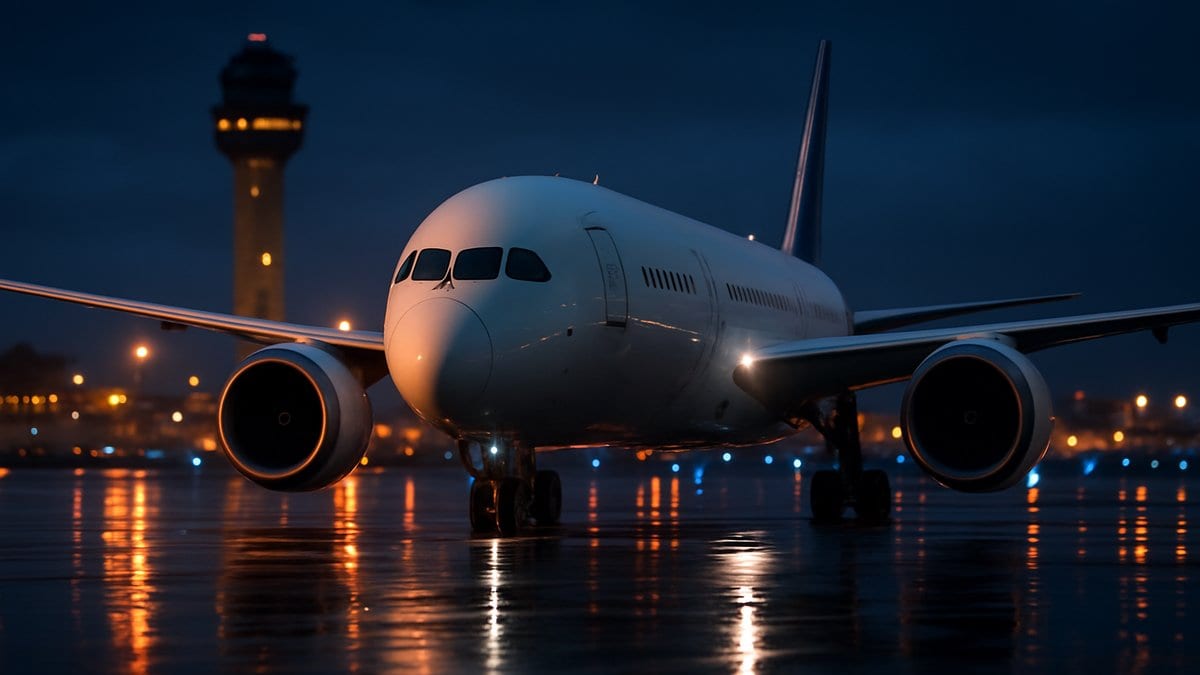
Miami Hub Sees 265 Delays and 9 Cancellations
Publicly available flight information and industry coverage indicate that Miami International Airport recorded 265 delays and 9 cancellations in a single day, turning one of the country’s busiest gateways into a chokepoint for spring travelers. The disruptions affected a mix of domestic and international routes, including services to major hubs such as New York, Chicago, Dallas, Los Angeles and London.
The delay total represents a sizable share of daily operations at Miami, which regularly handles more than 1,000 flights during peak months. Even though the cancellation count remained in single digits, aviation analysts note that a limited number of outright cancellations can still strand large numbers of passengers when aircraft are full and alternate seats are scarce.
Reports from travel media describe crowded concourses, long lines at customer service counters and extended waits at departure gates as airlines attempted to rebook disrupted passengers or wait out rolling schedule pushes. Many travelers were forced to adjust connecting itineraries, delay cruise departures or scrap short weekend trips entirely when revised arrival times no longer fit their plans.
The disruption in Miami came as airlines continue to operate with tight schedules during the spring break and Easter travel window, leaving limited margin to absorb knocks from weather, congestion or crew availability. The 265 delays and 9 cancellations at a single airport illustrate how little slack remains in the system when demand surges.
Spring Storms and Systemwide Congestion Add Pressure
The Miami problems did not occur in isolation. Published coverage of the broader U.S. network over the same period points to severe spring storms and heavy Easter holiday traffic as key drivers of widespread disruption. Flight tracking data cited in multiple outlets shows that thousands of flights nationwide were delayed or canceled between Thursday and Sunday, with major hubs in the Midwest and South serving as the main pinch points.
When storms slow arrivals or departures at one or two large airports, ripple effects can quickly reach coastal gateways such as Miami. Aircraft and crews that should have launched early from weather-hit cities arrive hours late or in the wrong place, forcing airlines to delay subsequent departures or consolidate flights. In some cases, crews reach their legally mandated duty limits while waiting for aircraft or improved conditions, triggering last-minute cancellations even after passengers have boarded.
Miami’s role as a major connection point for Latin America and the Caribbean further magnifies the impact. A late arriving aircraft from a storm-affected inland hub may be scheduled to continue on an evening departure to Central America or the Caribbean. If that aircraft misses its slot or the crew times out, the downstream flight may be delayed into the night or canceled, stranding travelers far from home or their final destination.
Operational data and recent analysis also suggest that airlines are running fuller schedules during the spring period, with high load factors limiting options to re-accommodate passengers. When most flights go out nearly full, moving travelers from a canceled or heavily delayed service onto later departures often requires multiple rebookings across several days.
Strain on Passengers From Queues, Missed Connections and Long Waits
For passengers on the ground at Miami International, the operational statistics translated into long lines, shifting departure boards and a scramble for information. Travel reports describe extended queues at check-in and rebooking counters as displaced customers sought new itineraries or vouchers for meals and overnight stays. Social media posts highlighted crowded departure halls and families camped out near gate areas as they monitored new estimated departure times.
Even travelers whose flights eventually departed often faced missed connections at onward hubs. A delay of one or two hours leaving Miami can cause passengers to miss tight connections in cities such as Dallas, Chicago or New York, forcing overnight stays or lengthy rerouting. In some cases, the only remaining option involves backtracking through multiple hubs to reach the original destination.
Those disruptions compound existing stress points at the airport. Recent travel reporting has already drawn attention to long Transportation Security Administration lines at major Florida airports during peak spring periods, with some travelers warning of waits that can stretch to well over an hour at busy times. For passengers who clear those lines only to learn their flight is significantly delayed or canceled, frustration levels naturally rise.
Passenger experiences at Miami during earlier disruption episodes, shared in online forums and travel communities, frequently reference a shortage of customer service staff and limited capacity at airline help desks when multiple flights go off schedule at once. The latest wave of delays and cancellations appears to have followed a similar pattern, with the volume of affected travelers outpacing available in-person support.
Miami’s Growing Traffic and Tight Margins for Airlines
The latest troubles come as Miami International continues to handle robust passenger volumes. Airport traffic reports show that total passengers have climbed steadily in recent years, driven by strong tourism demand, a resurgent cruise industry and the airport’s expanding role as a major international gateway. That growth has brought more nonstop routes and higher frequencies, but it has also left carriers with increasingly complex schedules to manage.
Industry observers note that airlines are operating with leaner staffing and aircraft reserves than before the pandemic era, betting on efficiency gains in order to meet demand and manage costs. While that strategy allows carriers to schedule more flights using the same fleet, it also leaves less backup capacity when weather, air traffic control restrictions or technical issues arise.
In Miami, where a single airline dominates much of the traffic but shares the field with numerous domestic and international competitors, a bad day can quickly affect a wide range of carriers. Travel coverage of the latest disruption indicates that passengers on several major U.S. airlines, as well as foreign flag carriers, were caught up in the 265 delays and 9 cancellations logged at the airport.
Analysts caution that the combination of strong demand, tight resources and increasingly volatile weather patterns could make similar episodes more common during peak travel periods. Miami’s exposure to thunderstorms in the warmer months and to tropical systems later in the year creates additional challenges for schedule planners, particularly when connecting banks are structured around narrow windows.
What Travelers Can Expect for the Remainder of Spring
The events at Miami highlight the need for travelers to plan conservatively during the remainder of the spring travel season. Aviation and consumer advocates frequently recommend allowing longer connection times through busy hubs, especially when traveling through storm-prone regions or during holiday weekends. Booking earlier departures in the day can also reduce the risk of knock-on delays from earlier disruptions.
Publicly available information from the U.S. Department of Transportation’s Airline Cancellation and Delay Dashboard underscores that each carrier sets its own policies for providing meal vouchers, hotel stays or refunds when flights are delayed or canceled. Passengers are encouraged by many travel experts to review those policies in advance and to use airline mobile apps or websites to seek rebooking options as soon as problems arise.
For Miami International specifically, recent coverage suggests that travelers should continue to anticipate heavy crowds on peak days, arrive early for security screening and build extra time into itineraries that involve tight cruise departures or same-day international connections. The episode of 265 delays and 9 cancellations serves as a reminder that even a modest number of canceled flights, when combined with hundreds of delays, can cascade into a day of widespread disruption.
As airlines and airports move deeper into the busy spring and early summer period, operational data and travel reporting will show whether lessons from the latest Miami disruptions translate into more resilient schedules. For now, the experience of passengers left waiting across the terminals of one of America’s most important gateways underscores how fragile the air travel system can become when demand surges and the margin for error narrows.