

More news on this day
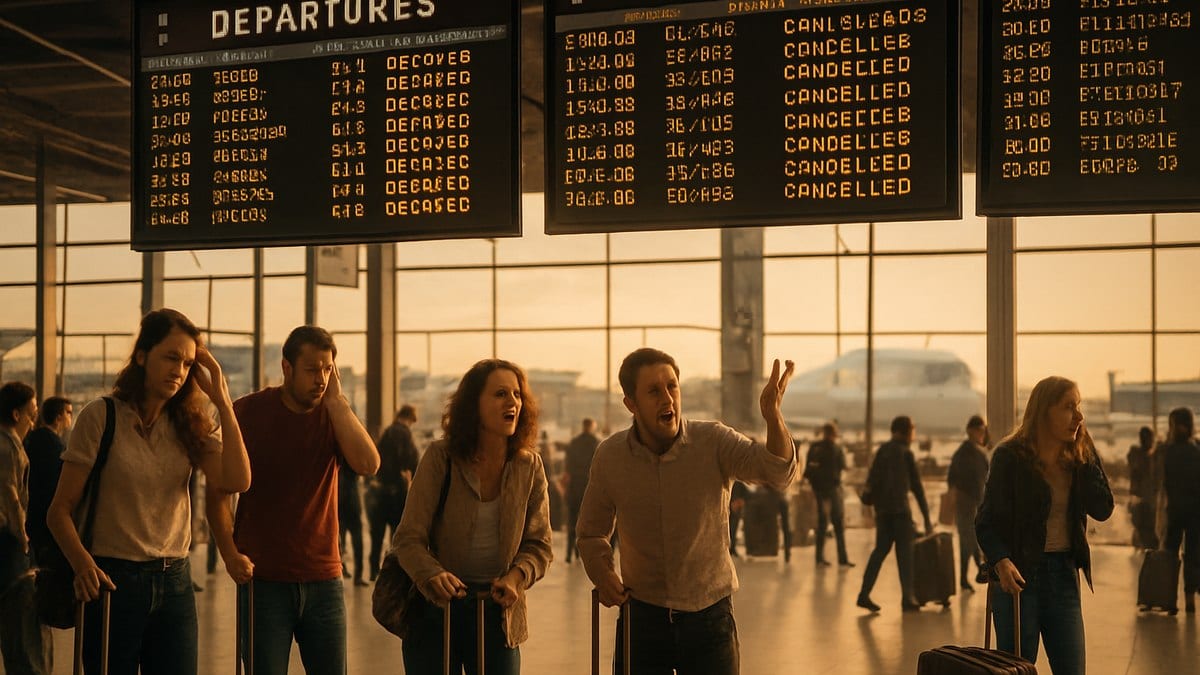
Spring travelers across the United States and Caribbean faced a fresh wave of disruption after Miami International Airport logged 265 flight delays in a compressed window, straining one of the hemisphere’s busiest holiday corridors just as the spring break rush peaks.
Get the latest news straight to your inbox!
Sudden Surge of Delays at a Key U.S. Hub
Publicly available flight-tracking data and industry reports for early April 2026 indicate that Miami International Airport recorded around 265 delayed departures and arrivals over roughly a 24 hour period, along with a smaller cluster of cancellations. While similar surges have occurred at other large hubs this spring, the concentration of delays at Miami highlighted how quickly a single airport can become a chokepoint for traffic flowing between North America and the Caribbean.
The latest disruption unfolded as passenger volumes remained close to record levels, with airlines expecting millions of travelers to pass through U.S. terminals each day during March and April. The combination of tight schedules, full flights and limited slack in aircraft rotations left carriers with few options once early services into and out of Miami began running behind schedule.
Data compiled by flight disruption trackers shows that most affected Miami flights departed or arrived, but did so significantly late, extending the impact beyond the airport itself. Even a moderate number of cancellations forced some travelers to wait for scarce open seats on later departures, particularly on popular weekend and holiday routes.
Analysts note that the 265 delay figure is high for a single airport over such a short span and reflects what many travelers have experienced this spring: extended waits that are more common than outright mass cancellations, but no less disruptive to tightly timed itineraries.
Weather Ripples and Network Congestion Collide
Operational summaries and federal aviation advisories for early April point to a mix of stormy conditions and air traffic management programs across the southeastern United States as key contributors to Miami’s rough day. Ground delay measures affecting Miami and other regional hubs translated into longer taxi queues, airborne holding patterns and staggered departure slots, quickly eroding on-time performance.
According to publicly available federal airport status dashboards, Miami has periodically operated under ground delay programs linked to weather and runway constraints, with typical average delays running from several minutes to close to an hour. When those programs coincide with peak departure banks, each late arrival can knock on to the next flight, compounding problems throughout the day.
Industry coverage this season has also highlighted how storms in Texas and along the East Coast can indirectly snarl Miami’s operations. Aircraft scheduled to feed Miami from other major hubs may arrive late after weather-driven restrictions elsewhere, leaving crews and planes out of position at the very moment the South Florida gateway is trying to process some of its busiest waves of spring traffic.
Observers emphasize that the pattern is not unique to Miami, but the airport’s status as a southbound funnel for domestic, Latin American and Caribbean flying makes these weather and congestion ripples especially visible when they occur.
Caribbean and Latin American Links Hit Hardest
Reports focused on cross-border air travel this season indicate that disruptions at Miami have outsized effects on routes to the Bahamas, Jamaica, the Dominican Republic, Puerto Rico and other Caribbean and Latin American destinations. Many of these flights operate in tightly scheduled banks, often with only one or two departures per day on a given city pair.
When Miami suffers sustained delays, passengers connecting from domestic flights into those once-daily or limited-frequency services are among the first to be affected. Missed connections can mean losing an entire day of a short beach getaway or cruise, with rebooking options constrained by high load factors during the spring peak.
Travel industry analysis of March and early April patterns across the Americas indicates that more than 30,000 flights have been delayed or canceled in the wider region, with Miami repeatedly cited among the most sensitive hubs. That broader crisis has magnified the impact of any local meltdown, turning a bad day at one airport into a systemic challenge for travelers shuttling between U.S. cities and island resorts.
Regional tourism stakeholders have expressed concern in recent weeks about how sustained schedule volatility could affect visitor confidence, particularly for travelers who rely on short three or four night stays in destinations reachable primarily through Miami and a handful of other U.S. gateways.
Strain Exposes Structural Vulnerabilities
Beyond immediate weather and air traffic constraints, aviation analysts and union briefings suggest that Miami’s spring disruption underscores deeper vulnerabilities, including staffing pressures, security bottlenecks and the complex choreography of international connections. Cabin crew groups have described the end of the spring break period as an intense stretch, with aircraft running full and schedules leaving little margin for delay recovery.
Research into post pandemic U.S. aviation performance indicates that large hubs like Miami have become more sensitive to small operational shocks. Even when total flight counts are similar to pre crisis levels, factors such as longer security queues, tight turn times and maintenance backlogs can all contribute to elevated delay rates once a disruption starts.
Commentary from frequent travelers and local observers has also drawn attention to crowding in check in halls, long waits at security and baggage processing constraints that can slow the entire passenger journey, particularly for those arriving from international flights and re clearing for domestic connections. While these issues may not register directly in delay statistics, they can intensify the perception of a system under constant strain.
Aviation planners note that addressing these structural weaknesses will likely require a mix of infrastructure upgrades, staffing adjustments and schedule redesigns to build more resilience into peak travel periods at major hubs such as Miami.
What the Meltdown Means for Spring Travelers
The Miami airport meltdown arrives at a delicate moment for the broader spring break season, as airlines seek to capitalize on strong demand while travelers try to navigate an environment marked by frequent, if not always catastrophic, disruption. Industry forecasts for March and April anticipate elevated passenger numbers across U.S. airports, combined with lingering weather risks and tight capacity on many sought after leisure routes.
Travel advisory outlets and passenger rights groups have responded by urging greater flexibility in planning. Suggestions range from allowing longer connection times at hubs like Miami and avoiding the last flight of the day to considering early morning departures that are less exposed to rolling knock on delays from earlier disruptions.
Publicly available guidance on consumer protections also notes that passengers facing long delays or cancellations on international itineraries may, in some cases, be eligible for compensation or assistance, depending on the operating carrier and applicable regulations. However, these remedies are often complex and vary widely, leaving many travelers uncertain about their options when faced with sudden schedule changes.
For now, the numbers coming out of Miami serve as a stark reminder of how fragile air travel remains during the busiest weeks of spring. A single day with 265 delays at a major hub can send shockwaves across the network, upending vacations, business trips and family visits from New York to Nassau and beyond.