

More news on this day
Spring travelers moving through Miami International Airport on April 6, 2026, encountered another bruising day of air disruption, as 265 flight delays and several cancellations rippled across domestic and international routes at the height of the spring break and post-Easter rush.
Get the latest news straight to your inbox!
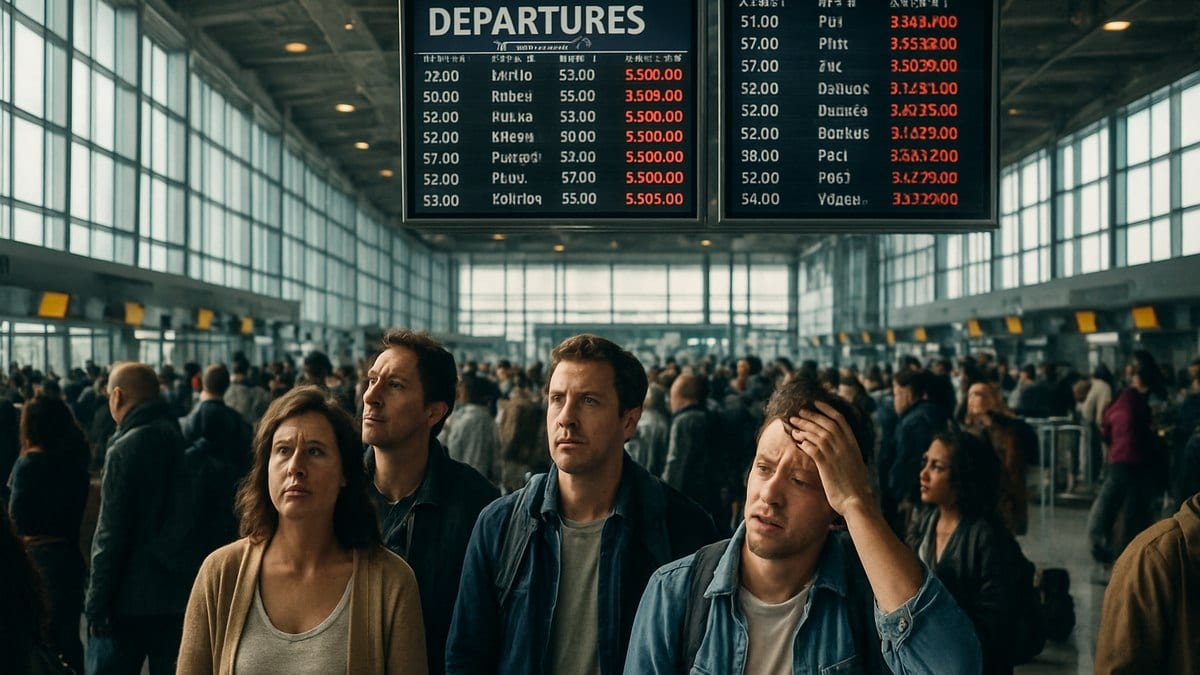
Heavy Spring Traffic Collides With a Packed Flight Schedule
Publicly available flight disruption trackers on April 6 indicated that Miami International Airport recorded 265 delayed flights and a small number of cancellations, affecting services operated by major U.S. network airlines and low cost carriers alike. The disruption touched routes to key domestic destinations such as New York, Chicago, Dallas and Los Angeles, as well as transatlantic operations including flights to London, amplifying pressure on already crowded terminals and gate areas.
Reports from travel industry outlets describe long lines at check in, security and boarding points as passengers arriving early for busy spring departures met rolling schedule changes on airport displays. With many flights departing close to full, missed connections quickly cascaded into a shortage of available seats on later departures, forcing some travelers to accept overnight stays or rebookings spread across multiple days.
Data and visualizations from flight status platforms show delay times varying widely throughout the day, from short holds under 30 minutes to extended disruptions of several hours. While a portion of the delays appeared to be linked to broader national congestion and pockets of adverse weather, the clustering of late operations at a single hub highlighted how sensitive Miami’s tightly timed bank structure is to any shock during peak seasons.
Travel coverage over the past week has already pointed to a difficult Easter and spring break period for U.S. flyers, with thousands of delayed flights nationwide. The latest figures from Miami fit squarely into that wider pattern, suggesting that the post-pandemic travel rebound, strong leisure demand and infrastructure constraints continue to outpace the aviation system’s ability to absorb stress during holiday rush periods.
Knock-On Effects Across U.S. and International Networks
Although Monday’s disruption was concentrated at Miami International, the impact extended well beyond South Florida. As one of the country’s largest international gateways and a central hub for north south traffic into Latin America and the Caribbean, delays from Miami quickly propagated through airline networks, affecting departures and arrivals at airports across the United States and overseas.
Publicly available information from flight tracking platforms shows that a number of delayed departures from Miami were themselves late arrivals from other hubs, underscoring how quickly an early morning slip can reverberate throughout an airline’s daily schedule. When aircraft and crews arrive behind schedule, subsequent rotations often inherit those delays, and the scope for recovery narrows as the day progresses.
National roundups of Easter and early April operations indicate that Miami’s difficulties coincided with elevated disruption at other major hubs, including Atlanta, Dallas Fort Worth, Chicago O’Hare, Houston and Orlando. In that context, Miami’s 265 delayed flights represent one node in a broader web of congestion that left airlines juggling aircraft assignments, gate availability and crew duty limits across the country.
Aviation analysts cited in recent coverage note that the hub and spoke structure used by many large carriers magnifies this kind of ripple effect. When a single hub experiences heavy delays during a peak wave of departures, banks of connecting flights can be thrown out of sequence, and even airports with relatively clear skies and manageable local traffic can still see late inbound and outbound flights tied to upstream bottlenecks.
Weather, Crew Constraints and Infrastructure Under Strain
While no single cause fully explains the 265 delays logged in Miami on April 6, recent reporting on the broader Easter holiday period points to a familiar mix of contributing factors. A series of storm systems moving across the eastern half of the United States in the days around Easter created intermittent air traffic control restrictions, capacity reductions and ground stops at several large hubs, raising baseline delay levels across the national network.
Industry commentary over the past year has also highlighted lingering staffing pressures in both airline operations and air traffic control, particularly during peak travel periods. With schedules built around high aircraft utilization and short ground times, even modest disruptions can quickly strain crew rosters, forcing last minute adjustments when pilots or flight attendants approach regulatory duty time limits.
Closer to the terminal, travel accounts and airport focused reports from March and early April describe extended waits at security checkpoints and baggage drops in Miami during busy spring break days. That local congestion, combined with tight boarding timelines, increases the risk that a flight already facing an upstream delay will incur additional ground holds as passengers and bags are processed.
At the structural level, planning documents and recent airport briefings show that Miami International is in the midst of a multibillion dollar capital improvement program intended to modernize terminals and prepare for forecast demand of up to 77 million annual passengers in the coming years. The scale of that growth expectation underscores how current facilities are being pushed close to their limits during holiday peaks, making the system more vulnerable to widespread knock on delays when conditions deteriorate.
Spring Travelers Face Difficult Choices
For travelers caught in Monday’s disruption, the operational complexities translated into very practical dilemmas. Publicly shared traveler reports from recent weeks in Miami and other Florida hubs describe missed cruises, lost prepaid hotel nights and reworked vacation plans as delays and cancellations accumulated during the Easter and spring break window.
Consumer travel advisories published ahead of the holiday rush had urged passengers to build in extra time at the airport, choose early morning departures where possible and avoid tight connections in known congestion hot spots. The experience at Miami on April 6 appears to validate much of that guidance, with early day flights generally seeing better on time performance than afternoon and evening departures that absorbed the full effect of rolling delays.
As airlines worked through the backlog of passengers, many travelers faced limited rebooking options on nonstop flights from Miami to major domestic and international destinations. In some cases, travelers turned to alternate Florida airports or accepted multi stop itineraries through secondary hubs to reach their final destinations, trading convenience for the possibility of getting out on the same day.
For those still holding spring reservations through South Florida in the coming weeks, publicly available travel planning resources emphasize preparation. Recommended steps include monitoring flight status frequently in the 24 hours before departure, enabling airline notifications, considering travel insurance that covers disruption costs and packing essentials in carry on bags in case checked luggage is delayed in the system.
Signals for the Rest of the Spring and Summer Travel Season
The wave of 265 delays at Miami International on April 6 provides an early season stress test for U.S. aviation as it heads toward the busier late spring and summer months. National holiday travel forecasts suggest that passenger volumes in 2026 will meet or exceed record levels reached in 2023 and 2024, even as airlines and airports continue to balance staffing, infrastructure projects and evolving weather patterns.
Transportation statistics from previous Aprils show that on time arrival rates at major hubs often dip during spring, when thunderstorms begin to build more frequently across key traffic corridors. Miami’s position at the southern end of many of those routes, combined with its role as a gateway to the Caribbean and Latin America, makes it particularly exposed to both local storms and upstream weather systems that force en route diversions and flow restrictions.
Analysts and travel planners watching this year’s Easter period note that while the U.S. aviation system has generally avoided the kind of prolonged nationwide meltdown seen in earlier post pandemic summers, localized episodes such as the one in Miami can still generate substantial disruption for tens of thousands of passengers. The clustering of delays at a single hub, combined with high load factors and full holiday flights, leaves little slack for recovery when something goes wrong.
As airlines refine schedules for late spring and early summer, the experience in Miami is likely to feature in broader industry discussions about resilience, staffing levels and capital investment. For travelers, it serves as a pointed reminder that planning for buffers, flexibility and real time information remains essential when flying through major hubs during the busiest weeks of the year.