

More news on this day
Spring travelers moving through Miami International Airport on April 6 found themselves in the middle of another disruptive day for U.S. aviation, as publicly available flight-tracking data showed 265 delays and a cluster of cancellations snarling one of the country’s busiest warm-weather gateways.
Get the latest news straight to your inbox!
Delays Mount as Spring Travel Wave Peaks
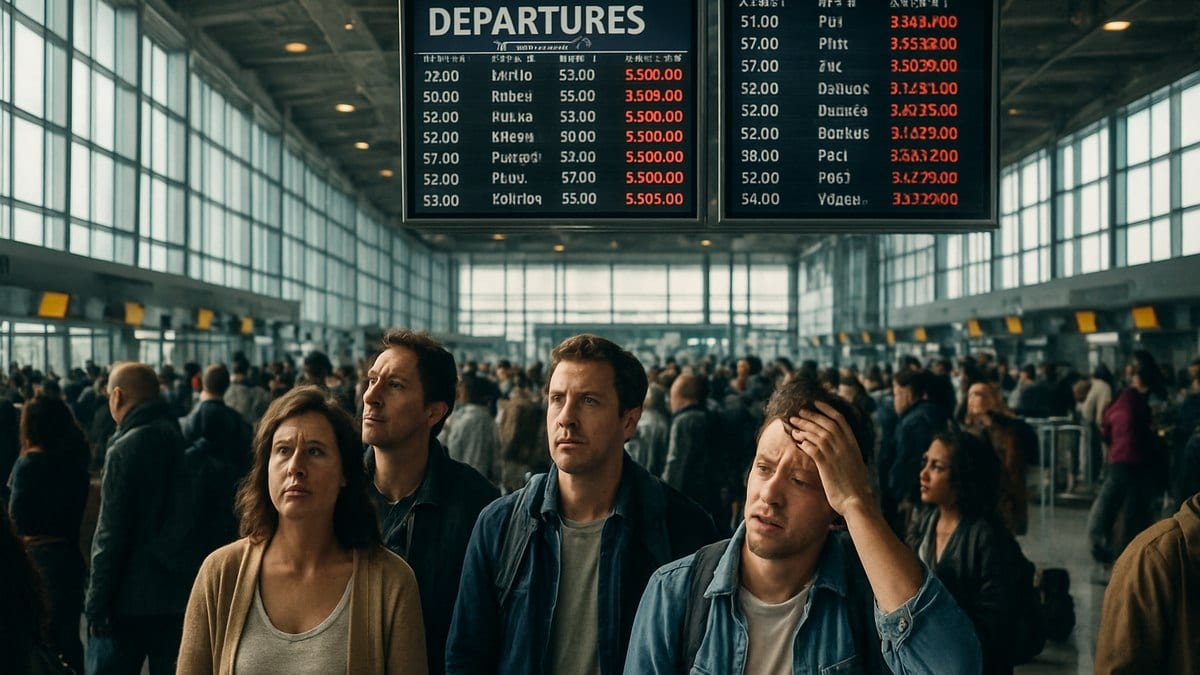
Operational data for Miami International Airport on Monday indicates that 265 flights were delayed and several more were canceled, affecting both domestic and international routes as the spring break and post-Easter rush continued. Reports from aviation-focused outlets describe long lines at check-in and security, congested gate areas, and a noticeable build-up of aircraft waiting for departure slots as airlines worked through the backlog.
The disruption followed an already turbulent Easter and early April period for U.S. travelers, during which severe storms and heavy holiday traffic produced thousands of delays nationwide. Miami’s latest spike came as residual congestion and tight schedules left little room for recovery, turning what might once have been a routine weather and traffic challenge into a full-day operational squeeze.
Travel industry coverage notes that the impact in Miami has been broad-based, touching legacy carriers, low-cost airlines, and regional operators alike. With many flights running late into the afternoon and evening periods, missed connections and rebookings added further pressure to airline and airport resources.
While some services managed only modest delays, the cumulative effect of 265 late departures and arrivals significantly reduced schedule reliability for passengers counting on short connection windows or same-day return trips.
Weather, Congested Corridors and Knock-on Disruption
Publicly available information from flight-tracking platforms and recent national coverage points to a familiar cocktail of causes behind the Miami disruption. Spring storms moving across parts of the eastern United States, combined with unsettled conditions in South Florida, triggered routing changes and air traffic flow controls, slowing the pace of departures and arrivals into the region.
Reports from national outlets over the Easter period showed that storms earlier in April had already forced widespread delays at hubs such as Chicago, Dallas and other key connection points. Those earlier issues created rolling knock-on effects that were still echoing through the network when Miami registered its 265-delay day, illustrating how one set of weather systems can disrupt flights hundreds or thousands of miles away days later.
Aviation analysts quoted in recent coverage have emphasized that even relatively brief ground stops or spacing restrictions can quickly cascade when aircraft and crews are scheduled tightly. If an inbound aircraft to Miami arrives hours behind schedule, the onward flight it is scheduled to operate may also be pushed back, particularly if relief crews are themselves arriving on delayed services.
Industry explainers published in recent weeks underline that air traffic control staffing constraints and congested high-demand corridors along the East Coast can add further friction. On days of unsettled weather, controllers may need to reduce the number of aircraft moving through certain airspace segments at any given time, throttling capacity just as holiday and spring break volumes peak.
Miami’s Hub Role Amplifies Passenger Impact
Miami International Airport acts as a major connecting hub for flights across the United States, Latin America, the Caribbean and Europe, a role that magnifies the impact of any operational shock. Travel-news coverage from earlier in April highlighted how more than 260 delays on a previous disruption day at the airport strained itineraries for travelers linking from U.S. domestic routes to long-haul and regional services.
With 265 delays recorded on April 6, similar patterns appear to have played out. Late-arriving domestic flights into Miami risked breaking carefully timed connections to destinations such as Central America or South America, while delays on long-haul arrivals affected passengers hoping to connect onward to U.S. cities including New York, Chicago, Dallas and Los Angeles. For many, missed connections translated into extended layovers, rebooked itineraries or unplanned overnight stays.
Publicly available airport traffic statistics show that Miami handles heavy international volumes relative to many U.S. peers, which means a single disrupted bank of flights can strand travelers far from home with limited alternative options. During busy spring periods, remaining open seats on later departures are often scarce, reducing the flexibility airlines have to quickly reposition passengers.
Observers note that this hub dynamic also affects baggage handling and airport facilities. When delays stack up, aircraft can remain on gates longer than planned, narrowing the margin for incoming flights, while baggage systems and customs queues may struggle to keep pace with irregular waves of arrivals.
Strained Spring System Exposes Structural Weaknesses
The Miami flight chaos is unfolding against a broader national backdrop in which 2026 has already featured several high-profile disruption days. Recent analyses from travel and aviation publications point to persistent themes: strong demand, constrained staffing in key operational roles, and an increase in disruptive weather events during peak travel windows.
Guides and explainers published this spring highlight factors such as ground crew shortages, tight aircraft utilization and ongoing air traffic control staffing gaps as key contributors to elevated delay rates. When airlines schedule aircraft with minimal turnaround times and limited spare capacity, relatively minor issues can snowball, especially when combined with convective storms or low-visibility conditions at multiple hubs.
Miami’s latest tally of 265 delays and multiple cancellations fits this pattern of a system running close to its limits. With passenger volumes surging through March and April on the back of Easter holidays, spring break travel and major events in South Florida, even short-lived weather interruptions or intermittent flow restrictions have translated into prolonged operational stress.
Publicly available commentary from industry watchers suggests that without additional slack in schedules, staffing and infrastructure, similar disruption days are likely to recur not only in Miami but across the U.S. network as the busy summer season approaches.
What Travelers Can Expect in the Days Ahead
For passengers booked through Miami in the coming days, the latest wave of delays serves as a reminder that residual disruption can linger beyond the immediate event. Travel industry reporting on earlier April storms noted that elevated delay levels often persist for at least one or two days as airlines reposition aircraft and crews and work through backlogs of displaced passengers.
Publicly available information from recent national disruption periods suggests that travelers may continue to encounter longer-than-usual queues, gate changes and sporadic delays, particularly during peak morning and evening departure banks. Even if weather appears favorable on a given day, earlier delays in other parts of the network can ripple into Miami’s schedule.
Analysts writing in aviation outlets advise that during periods of system stress, passengers benefit from allowing additional connection time, monitoring flight status frequently and being prepared for schedule adjustments. With Miami’s role as a major international hub and its recent experience of 265 delays and repeated spikes in disruption, spring travelers passing through the airport may find that extra flexibility remains an important asset throughout April.