

More news on this day
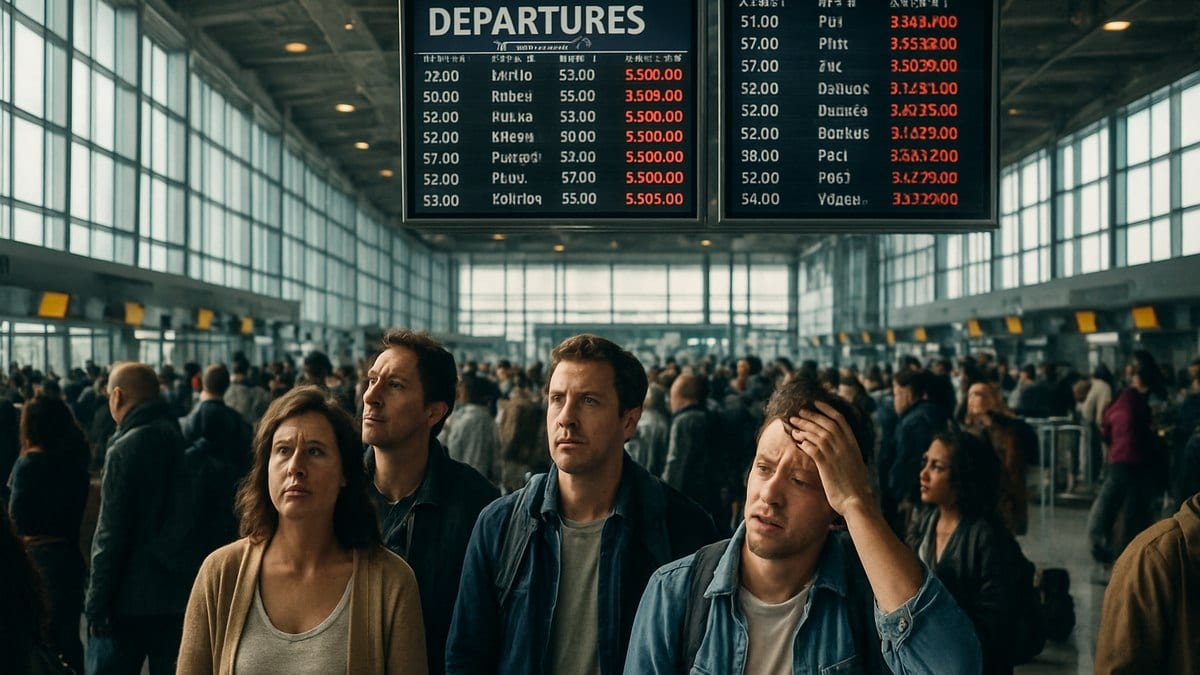
Miami International Airport is grappling with another turbulent day of spring travel as publicly available tracking data for April 6 show 265 delayed flights and nine cancellations, disrupting thousands of passengers across one of the busiest weeks of the season.
Get the latest news straight to your inbox!
Another Tough Day for Miami’s Spring Travelers
The latest wave of disruption at Miami International Airport comes at a time when passenger volumes are already elevated by spring holidays and major events in South Florida. Travel industry coverage indicates that the combination of Easter-period demand, returning vacationers, and ongoing festival and cruise traffic has pushed the airport close to its operational limits.
According to published coverage drawing on live flight-tracking dashboards, Sunday’s tally of 265 delays and nine cancellations at Miami International affects a broad mix of domestic and international routes. Services operated by large network airlines and low-cost carriers alike are experiencing late departures and arrivals, complicating travel plans for passengers headed to and from cities such as New York, Chicago, Dallas, Los Angeles, and London.
Reports indicate that the disruption is particularly hard on connecting passengers who rely on Miami as a hub or transfer point. Even modest schedule slips can quickly cascade in a hub environment, leaving travelers racing between concourses, missing onward flights, or being rerouted through alternative airports across the United States.
Gate areas and check-in halls have seen heavier-than-normal crowds as the day progresses, with lines forming at airline service desks while travelers seek rebooking options, meal vouchers, or overnight accommodation when onward connections are no longer viable.
Why 265 Delays Matter in a Tight Spring Schedule
While a single weather system or operational hiccup might create a localized problem on any given day, aviation analysts note that Miami International already ranks among the more delay-prone major airports in the United States during busy periods. Recent analytical pieces highlight that the airport’s average summer delay has exceeded 25 minutes in previous years, placing it in the upper tier of major hubs for late operations.
In such an environment, a spike to 265 delayed flights in one day represents more than a routine inconvenience. Tightly timed aircraft rotations, high gate utilization, and dense schedules during school holidays leave limited margin for recovery. Once an early wave of departures runs late, aircraft and crews may remain out of position for the rest of the day, translating into rolling delays that ripple through evening departures and even into the following morning.
Publicly available federal data and dashboards referenced in current travel coverage underscore how significantly performance can vary by airline and airport. Some carriers maintain larger aircraft and crew reserves or more flexible scheduling models, while others operate closer to capacity. On a day like April 6, those structural differences can shape how quickly each airline clears its backlog of delayed flights out of Miami.
For passengers, the statistics translate into very practical consequences. Short-haul flights to nearby hubs may be pushed back by an hour or more, turning tight connections into missed opportunities, while long-haul departures to Europe or South America can slide later into the evening, potentially affecting crew rest requirements and arrival slot allocations abroad.
Weather, System Strain, and a Busy Florida Corridor
The Miami disruptions are unfolding against a wider backdrop of unsettled spring weather and system strain across the national air network. Recent travel reporting has documented broad patterns of storm-driven disruption during the Easter period, with thousands of delays nationwide as active weather swept across multiple regions of the country.
South Florida’s aviation system is especially sensitive in such moments. Miami International, Fort Lauderdale-Hollywood International, and nearby regional airports share often crowded airspace, and periods of heavy rain, low clouds, or thunderstorms can quickly reduce arrival and departure rates. Even when local skies appear relatively calm, constraints at other major hubs can feed back into Miami, delaying inbound aircraft that are needed for outbound departures later in the day.
Operational analyses of South Florida airports describe a challenging environment shaped by rapid growth in passenger numbers, significant leisure demand, and complex international route networks. When weather and peak-season volume coincide, the system’s resilience is tested, particularly on Sundays and Mondays when weekend travelers return home and cruise passengers funnel back to airports after disembarking at PortMiami.
The cumulative effect is visible in today’s figures. With well over two hundred delayed flights logged at Miami International alone, the broader Florida corridor faces knock-on impacts as aircraft scheduled to continue to Orlando, Tampa, Atlanta, or northeastern gateways depart later than planned.
What It Means for Passengers on the Ground
For travelers already in motion, the immediate priority is often simply finding a path to their destination. Travel advisories and consumer-rights guides encourage passengers in situations like today’s to monitor airline apps and departure boards closely, as gate changes and revised departure times may occur with limited advance notice.
Publicly available information from consumer-facing airline delay dashboards notes that passenger amenities and rebooking support can differ significantly between carriers. Some airlines may provide meal vouchers or hotel accommodation in certain circumstances, while others classify many delays as outside their control, particularly when adverse weather or broader air-traffic management constraints are contributing factors.
Families traveling with children, cruise passengers facing fixed embarkation or disembarkation times, and international visitors connecting to long-haul flights are among those most vulnerable to disruption on a day like April 6. Missed connections can translate into overnight stays, visa considerations for re-entry, or the need to rebook onward journeys at short notice, which may involve limited availability and higher fares.
Travel organizations recommend that passengers affected by extended delays keep receipts for meals, ground transport, and lodging in case reimbursement or travel insurance claims become available later. They also emphasize that travelers should familiarize themselves with the specific conditions of carriage for their airline, as well as any protections offered by credit card travel benefits or standalone insurance policies.
Spring Travel Outlook and Lessons for Future Trips
The disruption at Miami International on April 6 fits into a broader early-2026 pattern of choppy spring operations across the United States. In the first months of the year, multiple winter and early spring storms, combined with robust leisure demand, have repeatedly pressured airline schedules and airport infrastructure.
As South Florida moves deeper into the spring and early summer travel window, industry observers expect continued high passenger volumes through school graduation periods and into the start of the traditional vacation season. Miami’s role as a leading gateway for Latin America and the Caribbean, a major cruise hub, and a popular tourism destination suggests that pressure on flights is unlikely to ease in the near term.
Travel planners and aviation analysts alike point to several strategies that may help reduce the risk of being caught in the sort of gridlock seen today. These include booking earlier departures, allowing longer connection times, avoiding the most congested travel days where possible, and considering alternative airports in the region when schedules permit.
For now, the 265 delays logged at Miami International on April 6 serve as a reminder of how quickly a combination of high demand and operational strain can reshape a travel day. For thousands of passengers navigating crowded terminals and revised itineraries, today’s figures are more than a data point; they are the defining feature of an unexpectedly long journey home.