

More news on this day
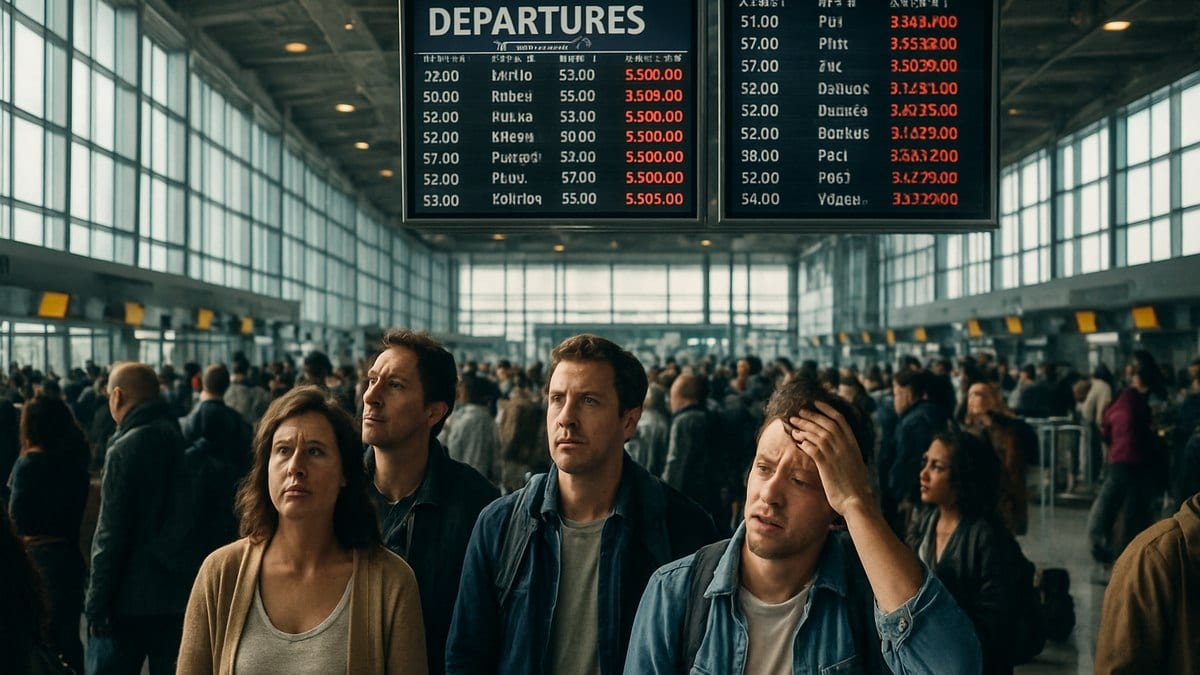
Miami International Airport faced another turbulent day on April 6, as publicly available flight-tracking data showed 265 delays and several cancellations, compounding spring travel pressures across the United States.
Get the latest news straight to your inbox!
Heavy Spring Traffic Meets New Wave of Disruptions
The disruption at Miami International Airport on April 6 unfolded at the height of a busy spring travel period marked by Easter getaways, spring break trips and early summer-style beach vacations. Earlier in the month, national aviation coverage documented thousands of delays and hundreds of cancellations across the United States, driven in part by unsettled weather over major hubs and near-capacity airline schedules.
Miami’s 265 delayed flights and a small number of cancellations added a new flashpoint to that wider pattern. Reports indicate that both domestic and international routes were affected, including services to New York, Chicago, Dallas, Los Angeles and London, as well as links to popular vacation destinations in the Caribbean and Latin America. The ripple effect extended well beyond South Florida, with knock-on delays recorded at downline airports as disrupted aircraft and crews arrived late.
Travel-focused outlets note that Miami International is handling passenger volumes at or above pre-pandemic levels, reinforcing its status as one of the country’s busiest gateways for both international and domestic traffic. In such conditions, relatively small schedule shocks can quickly cascade into lengthy queues at check-in counters, crowded gate areas and competition for scarce rebooking options.
The April 6 disruption also followed closely on the heels of heavy Easter-period delays at other U.S. hubs, creating a compressed window for airlines to reposition aircraft and restore normal patterns. Analysts point out that when airlines operate with minimal slack, recovery from one wave of problems can still be underway when the next emerges, leaving travelers exposed to repeated bouts of disruption.
Weather Threats and a Fragile Spring Flight Network
While conditions at Miami were far from the most extreme weather scenarios seen in recent years, forecasters had signaled an unsettled pattern across Florida and the broader Southeast entering the first full week of April. Regional forecasts pointed to a slow-moving system bringing showers, thunderstorms and periods of gusty winds to South Florida, with the potential to interrupt airport operations and trigger spacing requirements in already crowded airspace.
National weather outlets highlighted the risk of heavy rain, strong onshore winds and rip currents along the Florida coast, identifying cities such as Miami and Fort Myers among the locations most likely to see storms during the week. At high-traffic hubs, even brief thunderstorms can force air traffic managers to reduce arrival and departure rates, creating queues of aircraft on the ground and holding patterns in the sky that inevitably translate into delays.
Aviation researchers have long noted that storms do not need to sit directly over an airport to create serious bottlenecks. Constraints along key routes into and out of Florida can cut effective capacity for hours, while airlines juggle crew duty limits, aircraft rotations and ground handling resources. In a spring travel season already marked by volatile conditions across the Midwest and East Coast, the latest round of unsettled weather added yet another strain point to the national network.
Publicly available analyses of past spring travel periods show that Florida’s peak leisure demand often overlaps with more unstable weather patterns, making the region particularly vulnerable to cascading delays. The events in early April 2026 have followed that script, with storms repeatedly intersecting with some of the year’s busiest travel days.
Airlines, Routes and the Wider U.S. Impact
According to flight disruption trackers cited in travel industry coverage, the Miami delays on April 6 affected a broad mix of carriers, including major U.S. network airlines and low-cost operators. Services on American, United, Frontier and other airlines featured prominently among the disrupted departures and arrivals, reflecting Miami’s role as both a major hub and a popular point-to-point destination.
Delays were particularly visible on key domestic corridors linking Miami with New York, Chicago, Dallas and Los Angeles, where high passenger loads and tight turnarounds leave little room to absorb schedule shocks. International flights to and from Europe and Latin America also faced knock-on effects when inbound aircraft arrived late, compressing ground times or forcing schedule adjustments.
Because Miami sits at the center of so many domestic and international routings, disruption at the airport can quickly spread into the wider U.S. system. Travel news analysis of recent holiday periods has shown that delays originating in Florida can resurface hours later at distant hubs as aircraft cycle through multi-leg itineraries. For travelers, that translates into missed connections, rebooked itineraries and unexpectedly extended journeys even if their trips do not begin or end in South Florida.
Industry observers note that the April 6 pattern resembles several recent high-impact days across the U.S. network, when a combination of storms, heavy demand and constrained airline resources produced large clusters of delays at multiple hubs. Miami’s figures stood out within Florida, but they formed part of a broader tapestry of spring travel turbulence stretching from the Gulf Coast to the Northeast.
Strain on Passengers and Airport Operations
The immediate impact of Miami’s delay wave was felt most acutely by passengers navigating crowded terminals and uncertain departure times. Travel and tourism outlets described scenes of lengthy queues at airline service counters as travelers sought rebooking options, along with congested gate areas where rolling updates pushed departures deeper into the evening.
Families on spring break trips, cruise passengers connecting through Miami and business travelers heading to time-sensitive meetings all featured among those most disrupted. For many, the combination of earlier national disruptions and the latest Miami-specific problems left limited flexibility to shift plans, particularly where hotels, cruises and events were already firmly scheduled.
Operationally, the airport and airlines had to manage not only delayed departures but also the logistical challenges of aircraft and crew being out of position. Ground staff were tasked with turning flights more quickly once aircraft finally arrived, while also contending with gate changes and crowding. Publicly available commentary from aviation specialists notes that such days often expose the tight margins under which modern airline operations run, with small deviations from plan rapidly escalating into widespread inconvenience.
At the same time, published analyses of past disruptions emphasize that recovery can take many hours even after weather improves or traffic-management restrictions ease. Aircraft must cycle back into their intended rotations, crews need to remain within duty-time limits, and airport facilities require time to clear accumulated passenger backlogs, extending the impact of a single disruptive day.
What Travelers Can Expect Next
Looking ahead, meteorological forecasts suggest that unsettled weather may persist across parts of Florida and the broader Southeast in the days following April 6, though confidence varies on timing and intensity. Travel-focused reporting indicates that airlines are likely to continue adjusting schedules, including through preemptive retimings and selective cancellations, when storm risks coincide with peak travel hours.
For passengers with upcoming trips through Miami International Airport, aviation commentators recommend close monitoring of both local weather forecasts and real-time flight status tools. Early-morning departures often remain less exposed to compounding delays than late-day flights, while allowing additional connection time can provide a buffer when disruptions flare along busy corridors.
Industry data from recent spring seasons suggest that demand for leisure travel to and from South Florida is unlikely to ebb significantly in the near term, even amid repeated episodes of disruption. Instead, airlines and passengers alike may need to adapt to a pattern in which high loads and tighter operational margins leave the system more sensitive to every round of thunderstorms, particularly during holiday and school break periods.
The April 6 delay surge in Miami has reinforced a message that has echoed through early April 2026: in a crowded and weather-sensitive air travel landscape, even a single day of elevated disruption at one major hub can resonate across the national network, reshaping plans for thousands of travelers far beyond the Florida coast.