

More news on this day
A turbulent start to 2026 in the air is rippling onto the sand in Miami, as a wave of flight delays and cancellations at Miami International Airport collides with one of the busiest stretches of the beach tourism calendar.
Get the latest news straight to your inbox!
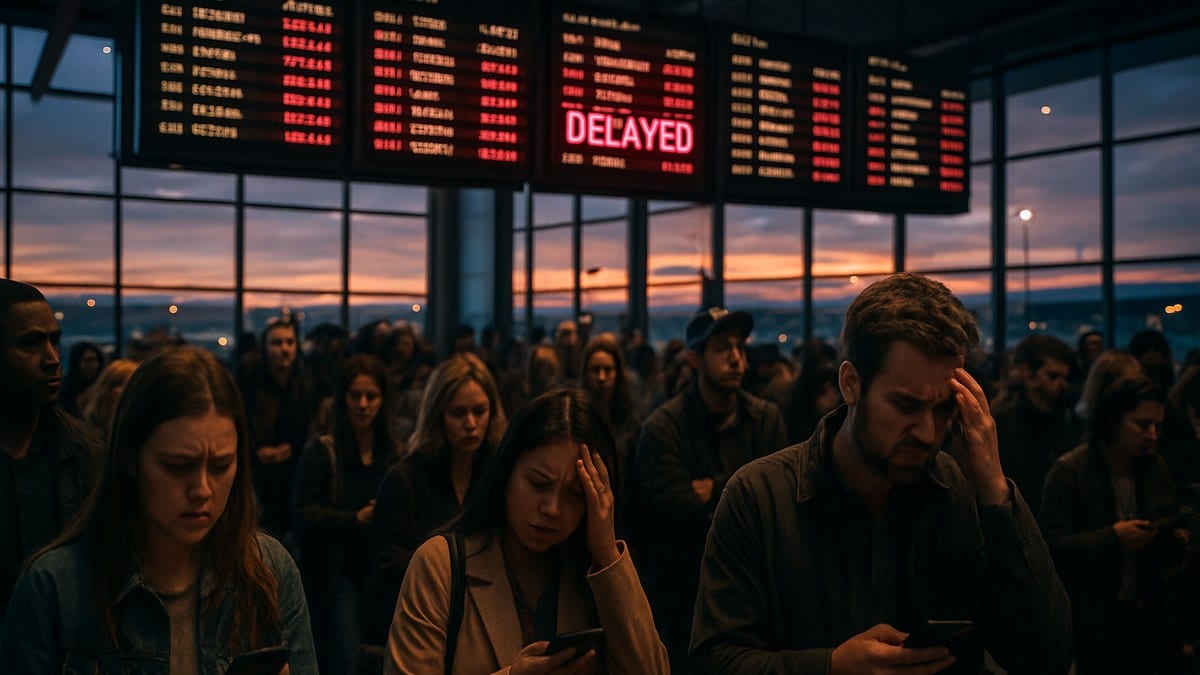
Weather Turbulence Turns Gateway Hub Into Bottleneck
Miami International Airport has faced a series of disruptive weather events since January 2026, transforming one of the country’s busiest gateways into a recurring bottleneck for visitors headed to South Florida’s beaches. A dense fog event on January 14 triggered a ground stop that delayed more than 140 flights, according to travel industry reporting, stranding inbound passengers and forcing some to miss connections to the Caribbean and Latin America.
The January disruptions were compounded later in the month as a sprawling winter storm system, widely covered under the name Winter Storm Fern, swept across large swaths of the United States. National coverage highlighted more than 11,000 flight cancellations on a single Sunday as snow, ice and high winds battered major hubs. Although the worst of the weather struck farther north, airlines trimmed and rerouted schedules nationwide, and Miami saw knock-on delays as aircraft and crews were repositioned.
South Florida’s challenges did not end with winter. A February cold front associated with the historic Blizzard of 2026 in the Northeast coincided with significant delay and cancellation numbers at both Miami and nearby Fort Lauderdale, according to local news outlets tracking airport performance. Aviation analysts describe the effect as a cascading system where extreme weather in one region rapidly reverberates through heavily used hubs such as Miami, even when local skies remain relatively clear.
Most recently, heavy rains and thunderstorms on April 7 prompted a temporary halt to departures bound for Miami, as reported by regional broadcast coverage citing Federal Aviation Administration traffic management updates. Though the ground stop was lifted within hours, it contributed to an already elevated baseline of delays that has become increasingly familiar to spring breakers and international visitors.
Operational Strain Adds To Traveler Frustration
Beyond the weather, systemic operational pressures are amplifying the impact of each storm or traffic management program. Industry briefings and government watchdog reports describe a national air traffic control system still contending with staffing shortfalls. Analyses of FAA hiring show that while new controllers are entering the pipeline, the agency remains below its own staffing targets, creating choke points at several high-volume facilities.
Miami has been among the airports highlighted in recent aviation performance reviews for persistent congestion. Travel operations coverage in 2025 noted that the airport introduced a dedicated ground delay program to manage heavy traffic flows, after average delays at peak times edged toward 90 minutes. As overall demand recovered and then surpassed pre‑pandemic levels in 2024 and 2025, these structural issues left little slack in the system entering 2026.
In late March, travel news outlets reported more than 2,800 delays and over 700 cancellations across major U.S. airports in a single day, with Miami among the hubs cited as experiencing extreme congestion and so‑called ripple effects. When departure banks back up in Miami, arriving passengers can be left in lengthy holding patterns in the air or face long taxi times after landing, further compressing already tight connection windows for beach‑bound travelers heading onward to the Keys, the Bahamas or other coastal destinations.
On the ground, terminal crowding has become a recurring complaint during peak spring weekends. Coverage of post‑Easter travel volumes describes overstuffed gate areas, long security queues and luggage backlogs that can delay beach arrivals by hours even after flights land. This environment has created a perception of chaos that local tourism officials must now work to counter as they promote Miami as a seamless sun‑and‑sand escape.
Beach Tourism Grapples With a Fragile First Quarter
The timing of 2026’s air travel disruptions is particularly sensitive for Miami’s tourism economy. State and regional tourism agencies emphasize that winter and early spring remain prime months for beach visitors, with many international travelers timing trips to escape colder climates. Data from tourism bureaus across South Florida show that 2024 and 2025 delivered record or near‑record visitor counts, setting expectations high for another strong year.
Early 2026, however, has unfolded under a more fragile pattern. While Broward County tourism officials report a robust start to the year in neighboring Greater Fort Lauderdale, which also serves beach travelers, anecdotal accounts from Miami area hoteliers, short‑term rental operators and attraction managers suggest a more uneven picture. Some report last‑minute cancellations or shortened stays when travelers face repeated rebookings or miss a full day of their vacation to airport disruption.
Industry analysts point out that Miami International’s role as a global hub makes its performance particularly important to beach tourism. The airport handles tens of millions of passengers annually and connects visitors not only to Miami Beach and Key Biscayne but also to cruise departures and island resorts throughout the region. Any sustained pattern of irregular operations risks nudging price‑sensitive visitors toward alternative gateways such as Fort Lauderdale, Palm Beach or even Orlando for their Florida beach trips.
Visitor behavior research compiled by regional destination marketing organizations indicates that repeat travelers are especially sensitive to perceived hassle. While many vacationers will tolerate a single difficult journey, repeated experiences of missed connections, late‑night arrivals and lost luggage can push future trips toward competing sun destinations in Mexico or the Caribbean that are perceived as more reliable.
Major Events and Summer Travel Loom Over Recovery
The turbulence comes as Miami prepares to host high‑profile events and its traditional wave of summer visitors. The 26th edition of Ultra Music Festival is scheduled for late March, bringing tens of thousands of fans into the city’s downtown waterfront and nearby beaches. Although the event falls outside the worst of the winter storm season, any residual operational fragility at Miami International could translate into bottlenecks during festival arrival and departure peaks.
Airport planning documents and county briefings highlight a long‑term capital program worth billions of dollars aimed at modernizing terminals, expanding gates and improving the overall passenger experience. These investments are intended to strengthen Miami’s status as a global hub and prepare for projected growth to 77 million travelers by 2040. In the short term, however, runways, gates and security lanes must handle demand that is already surging back to peak levels.
The summer of 2026 will be an important test. Airlines have been gradually rebuilding capacity into Miami and South Florida, and travel search data tracked by industry firms points to strong intent from both domestic and international beach travelers. If weather is relatively cooperative and staffing initiatives at federal and local levels gain traction, performance could stabilize enough to restore traveler confidence.
Conversely, another sequence of large storms or prolonged staffing challenges at key facilities could cement a narrative of Miami as an unreliable gateway, just as some long‑haul markets are considering where to deploy aircraft and marketing budgets. The stakes are heightened by fierce competition among beach destinations worldwide for a finite pool of high‑spending international tourists.
Travelers Adapt as Industry Seeks Longer‑Term Fixes
For now, seasoned travelers are adjusting their strategies to navigate Miami’s 2026 travel turmoil. Travel risk advisories and corporate mobility guidelines increasingly recommend wider buffers on connections through Miami International, especially for winter departures and flights that rely on aircraft arriving from the Midwest or Northeast. Some leisure travelers are opting for earlier arrival days before cruises or resort check‑ins to build in contingency time.
Booking patterns are also shifting. Publicly available fare and schedule data show renewed interest in flights that arrive earlier in the day, when schedules are less likely to be affected by accumulated delays. Regional airports, including Fort Lauderdale, are benefiting from spillover demand from travelers willing to drive a bit farther to the beach if it means a better chance of an on‑time landing.
At the policy level, national debates over Transportation Security Administration funding and long‑term FAA staffing continue, with analysts warning that partial government shutdowns or unresolved budget disputes could worsen conditions at airports across the country. In that environment, Miami’s experience in early 2026 is being watched closely as a case study in how a fast‑growing global hub copes with converging pressures from weather, workforce and demand.
Whether Miami’s beaches remain the first choice for millions of sun seekers may depend not only on water temperatures and hotel deals in the months ahead, but also on how quickly the region and the broader aviation system can turn this season’s flight chaos into a more resilient travel experience.