

More news on this day
Travelers across the United States faced fresh disruption on April 6, 2026, as Miami International Airport reported hundreds of delayed flights and multiple cancellations, snarling connections to major hubs including New York, Atlanta, and Chicago.
Get the latest news straight to your inbox!
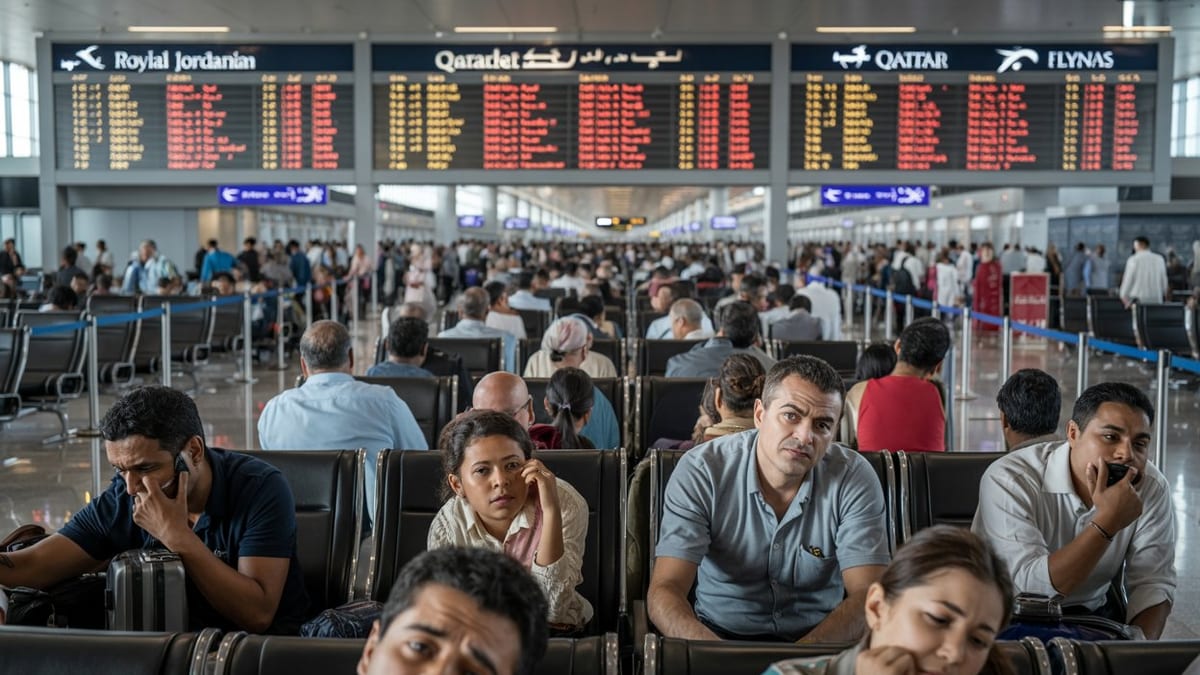
Miami Disruptions Hit Domestic and International Networks
Publicly available data compiled from flight-tracking and news reports on Easter Monday indicate that Miami International Airport recorded well over 200 delayed flights alongside a cluster of cancellations, temporarily disorganizing one of the country’s busiest gateways. Coverage focused on 9 canceled services and a high volume of late departures and arrivals, underscoring how quickly operations can deteriorate when weather and holiday traffic collide.
Reports from aviation-focused outlets highlight that carriers at Miami struggled to keep schedules on track as thunderstorms and residual system-wide congestion from the Easter travel rush compounded normal peak-period traffic. The combination led to rolling delays across the day rather than a short, contained disruption, stretching passenger wait times and limiting rebooking options on already crowded flights.
Miami’s role as both a domestic and long-haul international hub for the eastern United States meant the impact was not confined to South Florida. Routes linking Miami with key cities such as New York, Chicago, Dallas, Los Angeles, and London were among those affected, creating knock-on delays for onward connections and return services later in the day.
The situation added pressure to an already strained national network, which has been working through several days of elevated delays and cancellations tied to severe weather and intense holiday demand. Miami’s latest disruption fed into a broader pattern of operational stress that has extended beyond a single airport or carrier.
Frontier, Delta, Spirit and Peers Face Schedule Strain
Low-cost and full-service airlines alike were caught up in the Miami turbulence. Frontier and Spirit, both prominent players in Florida and on routes linking Miami and nearby airports with cities like New York and Chicago, were among the carriers dealing with late-running aircraft and tight aircraft rotations. Coverage of recent disruption patterns notes that these airlines have seen elevated delay counts across multiple hubs as weather and congestion ripple through their networks.
Major network airlines, including Delta and other large U.S. carriers, were also affected as Miami’s problems intersected with ongoing disruptions in Atlanta, Chicago, Dallas, and other major connecting points. Delta’s wider Easter-period operations have featured a noticeable number of delayed and canceled flights, and additional pressure from Miami added to the challenges of repositioning crews and aircraft.
Industry summaries of the holiday weekend describe a patchwork of issues rather than a single cause, with each airline adjusting schedules according to fleet availability, crew time limits, and local weather restrictions. In practice, this meant that travelers booked on different airlines but sharing similar Miami-centric itineraries often experienced comparable delays, regardless of whether they were flying with a low-cost carrier or a full-service operator.
For airlines, Miami’s spike in disruptions raised concerns about network resiliency at a time of high leisure demand. The need to reroute aircraft and crews away from severely affected hubs can reduce flexibility elsewhere, which in turn makes future weather or airspace constraints more likely to translate quickly into missed departure windows.
Ripple Effects for New York, Atlanta, Chicago and Other Hubs
The impact of Miami’s delays and cancellations extended far beyond South Florida as flights to and from major hubs across the United States encountered schedule knock-ons. Travel industry reporting points to New York area airports, including key gateways handling Miami traffic, experiencing additional congestion as late-arriving aircraft triggered further delays on subsequent legs.
Atlanta, one of the country’s primary connecting hubs, has already been among the most heavily disrupted airports during the Easter travel period, with hundreds of delays and scores of cancellations reported over recent days. As Miami flights fed into and out of Atlanta, the timing mismatches made it more difficult to maintain orderly banked connections, leaving some travelers scrambling for alternative routings or later departures.
Chicago’s main airports similarly felt the strain. Miami services are an important component of Chicago’s domestic and international networks, linking Midwestern travelers with Florida beaches and onward connections to Latin America and Europe. When Miami operations slowed, Chicago-bound aircraft were delayed or rescheduled, impacting departure boards, crew assignments, and gate availability there as well.
Beyond these marquee hubs, secondary airports such as Dallas, Los Angeles, and other large U.S. cities reported related disruptions as aircraft scheduled to operate Miami-linked rotations fell behind schedule. The result was a cascading effect in which a problem at one coastal gateway translated into longer queues and tighter turnaround windows across the national grid.
Holiday Timing and Weather Complicate Recovery
The timing of the Miami disruptions, coinciding with the tail end of Easter holiday travel, intensified the impact on passengers and operations alike. Industry analyses note that aircraft load factors during this period are typically high, reducing the availability of spare seats on alternative flights and making rapid recovery from irregular operations more difficult.
Weather has been a central complicating factor, with thunderstorms and unstable conditions affecting large sections of the eastern and southern United States in recent days. When convective weather builds along heavily traveled corridors, air traffic controllers often must reduce arrival and departure rates, lengthen separation between aircraft, or temporarily suspend operations, all of which contribute to growing delay totals.
This latest episode at Miami comes on the heels of other recent weather-driven disruption events in North America, reinforcing how quickly seasonal storms can test the limits of airline and airport resilience. Even when the worst conditions pass, carriers can spend much of the following day untangling displaced crews and aircraft while still operating nearly full holiday schedules.
Travel experts observing these patterns emphasize that such events are rarely isolated. A backlog created at one airport on a peak travel weekend can persist for several days across the broader system, particularly when additional weather fronts or airspace constraints follow closely behind.
What Travelers Can Do When Flights Are Disrupted
With Miami’s latest delays adding to a series of high-profile disruptions across the United States this year, passenger advocates are again drawing attention to the tools travelers can use when schedules go sideways. The U.S. Department of Transportation publishes an Airline Cancellation and Delay Dashboard that compares how individual airlines handle cancellations and lengthy delays, including whether they typically offer meal vouchers, hotel accommodations, or fee-free rebooking during major disruptions.
Consumer guidance consistently stresses the importance of checking flight status early and often on busy travel days, particularly when flying through weather-prone hubs like Miami, Atlanta, or Chicago. Travelers are encouraged to monitor both their originating airport and key connection points, as conditions or ground stops at distant hubs can be early warning signs of later disruptions.
Rebooking strategies also matter. When widespread delays strike, options through alternative hubs or on different carriers may disappear quickly, particularly on popular routes such as Miami to New York or Miami to Chicago. Passengers with flexible schedules may benefit from accepting later confirmed seats rather than remaining on heavily overbooked near-term departures.
Ultimately, the latest wave of delays and cancellations at Miami International Airport underscores the interconnected nature of U.S. air travel. A cluster of disruptions concentrated at a single gateway can, within hours, reshape flight patterns and passenger experiences across the country, affecting journeys that may only briefly touch South Florida on a larger itinerary.