

More news on this day
Travelers moving through Miami International Airport on April 6 faced another bruising day of disruption, as operational data showed 265 delayed flights and nine cancellations affecting major routes to New York, Chicago, London, Dallas and Los Angeles across carriers including American Airlines, United and Frontier.
Get the latest news straight to your inbox!
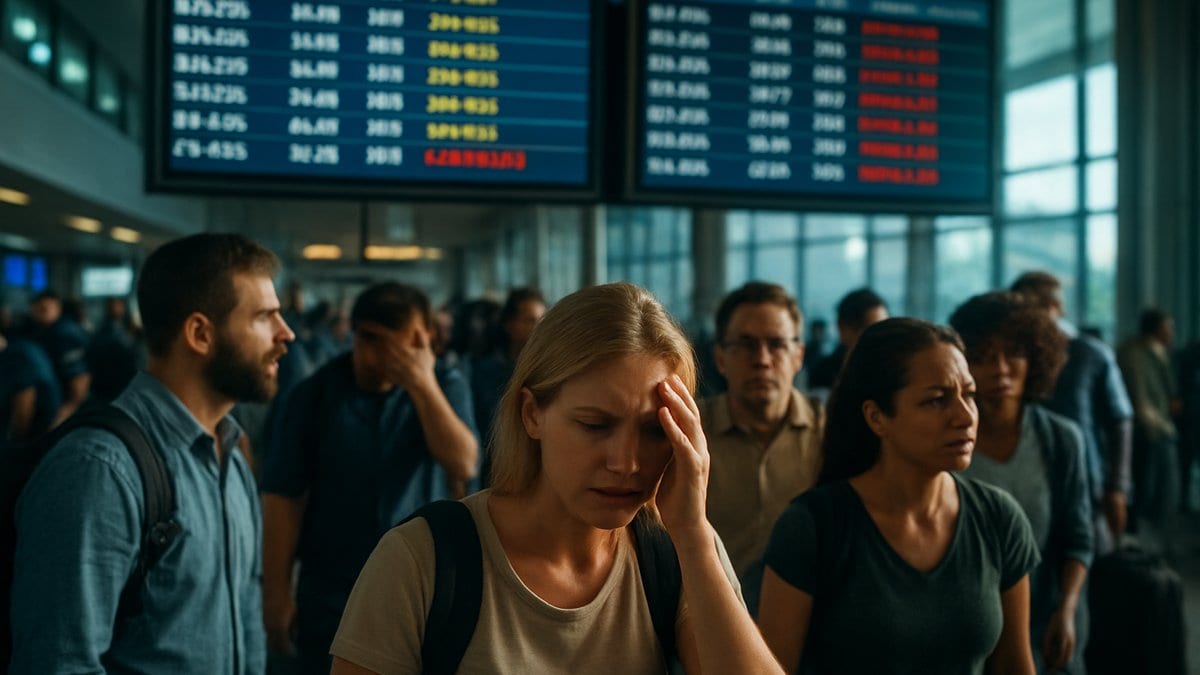
Heavy Day of Disruption at a Key U.S. Gateway
Publicly available flight-tracking figures and industry coverage indicate that Miami International Airport ranked among the most severely affected U.S. hubs on Monday, with delays vastly outnumbering cancellations but still creating hours of disruption for departing and arriving passengers. The 265 delayed flights recorded at Miami represent a significant share of the day’s national disruptions, while nine outright cancellations added to the pressure on already crowded departure boards.
American Airlines, the dominant carrier at Miami, appears to have borne a substantial portion of the disruption, with multiple departures to domestic business centers such as New York, Chicago and Dallas showing late departure times. United and low cost operator Frontier also reported delayed services, underscoring how the ripple effects extended across both legacy and budget networks serving South Florida.
While most affected flights eventually departed, industry reports describe extended waits at gates, rolling schedule changes and missed connections for travelers heading to onward destinations in the United States, Europe and Latin America. With Miami functioning as both a leisure gateway and a major connecting hub, the cumulative impact of delays rather than cancellations proved particularly disruptive for time-sensitive itineraries.
The situation at Miami forms part of a wider pattern of early April travel strain across the United States, with multiple outlets highlighting elevated delay volumes at other large airports over the Easter holiday period and the days that followed. Analysts point to a mix of unsettled weather, high seasonal demand and ongoing staffing constraints in parts of the system as contributing factors.
Routes to New York, Chicago, Dallas, Los Angeles and London Hit Hard
Among the most affected services out of Miami on April 6 were flights to New York area airports, Chicago, Dallas Fort Worth, Los Angeles and London. These corridors rank among the highest volume routes from Miami, linking South Florida to major financial centers, airline hubs and one of Europe’s busiest long haul gateways.
Flight schedule data show that multiple daily services typically operate between Miami and New York, including to John F. Kennedy and LaGuardia, with American and other carriers competing for business and leisure traffic. Delays on these routes can quickly cascade, creating knock-on effects for aircraft and crews scheduled to operate subsequent legs later in the day.
Connections to Chicago and Dallas are equally important for Miami’s role in the national network. Both cities function as major hubs, particularly for American and United, allowing travelers from Miami to connect onward to secondary U.S. markets and international destinations. When departures from Miami leave late, passengers can miss carefully timed connections in the Midwest and Texas, forcing rebookings and overnight stays.
Long haul services to London and transcontinental flights to Los Angeles add another layer of complexity. These routes typically run near capacity during peak periods, and aircraft assigned to them often operate tightly scheduled rotations. As a result, even modest delays departing Miami can translate into significant late arrivals in Europe or on the U.S. West Coast, affecting crew duty limits and the next day’s schedules.
Wider U.S. Disruption Sets the Backdrop
The Miami disruption took place against a national backdrop of elevated delays and cancellations during the early April travel window. Recent reports on U.S. operations over Easter weekend describe more than 15,000 delayed flights and hundreds of cancellations nationwide across multiple days, with hubs such as Dallas, Chicago and Houston experiencing repeated bouts of congestion and weather-related slowdowns.
Coverage of travel conditions over the past several days points to a combination of thunderstorms across key corridors, lingering winter weather farther north and high holiday traffic volumes that have left airlines and airports with little margin to absorb operational hiccups. When aircraft and crews are already stretched, a single storm system or air traffic control restriction can trigger hours of rolling delays.
Data published by aviation authorities in recent months also show that large U.S. hubs, including Dallas, Chicago and Los Angeles, routinely record substantial shares of arrivals and departures outside their scheduled time windows. While most flights still operate, these structural patterns mean that sudden surges in demand or weather-related constraints can quickly tip an already busy day into visible chaos for passengers.
Analysts note that the result is a “systemic” style of disruption in which no single airline or airport is exclusively responsible. Instead, a tightly interconnected network pushes small problems from one hub to another, creating the sort of broad, multi-airport delays currently appearing from Miami to Las Vegas and other major gateways.
Passenger Experience: Long Lines, Missed Connections and Limited Options
Travel and aviation outlets monitoring Miami on April 6 describe scenes familiar from other recent disruption events: long queues at airline service counters, crowded gate areas and departure screens filled with red and yellow delay notices. With so many services still operating, albeit behind schedule, passengers often faced long waits rather than outright cancellations eligible for immediate rebooking.
Those with onward connections through New York, Chicago, Dallas and Los Angeles were particularly exposed. When a first flight from Miami departed late, connection windows at hub airports shrank or disappeared entirely. Travelers arriving too late for their next leg frequently found remaining same day options limited or fully booked, especially on high demand routes at the tail end of a busy holiday period.
Airline mobile apps and online tools provided some real time updates, but rapid schedule changes meant many travelers only discovered new delays after clearing security or arriving at their gates. Publicly shared travel tips for this period emphasized monitoring the status not only of one’s own flight, but also the inbound aircraft and weather conditions along the route, in order to anticipate potential problems earlier in the day.
For families and international travelers, the uncertainty compounded logistical stress around hotel bookings, ground transportation and time sensitive commitments at their destinations. Even when airlines were able to rebook passengers, alternative itineraries sometimes involved overnight stops or lengthy connections at intermediate hubs, extending previously straightforward journeys by many hours.
Miami’s Role in a Season of Strained Operations
Miami International Airport’s rough day on April 6 follows a stretch of heavy traffic and repeated weather and staffing challenges across the U.S. aviation system this year. Recent local and national coverage has highlighted Miami’s sensitivity to both thunderstorm patterns over the Southeast and broader national disruptions that ripple through airline networks centered in Dallas, Chicago and other key hubs.
Passenger and flight operations statistics for Miami confirm the airport’s importance to American, United and Frontier, which use the facility to funnel both point to point and connecting traffic across North America, Latin America and Europe. As those carriers expand schedules to meet rising demand in 2026, even small mismatches between available crews, aircraft and expected volumes can sharpen the impact of a disruptive day.
Industry observers suggest that travelers passing through Miami and other large hubs in the coming weeks should anticipate the possibility of continued irregular operations, particularly on peak travel days and during periods of unsettled weather. Suggested strategies include scheduling longer connection times, booking earlier departures when possible and closely tracking flight status in the hours leading up to airport arrival.
For now, the 265 delays and nine cancellations recorded at Miami on April 6 stand as another reminder of the fragility of tightly coupled airline schedules. As carriers work to reset their operations, passengers on key routes to New York, Chicago, London, Dallas and Los Angeles remain acutely exposed to any further strain in the U.S. air travel system.