

More news on this day
Mérida, the capital of Yucatán and a UNESCO Creative City of Gastronomy, is preparing for a new wave of global attention as the Michelin Guide expands its Mexico coverage in 2026 to include the state, a move widely expected to accelerate the region’s transformation into a premier culinary tourism destination.
Get the latest news straight to your inbox!
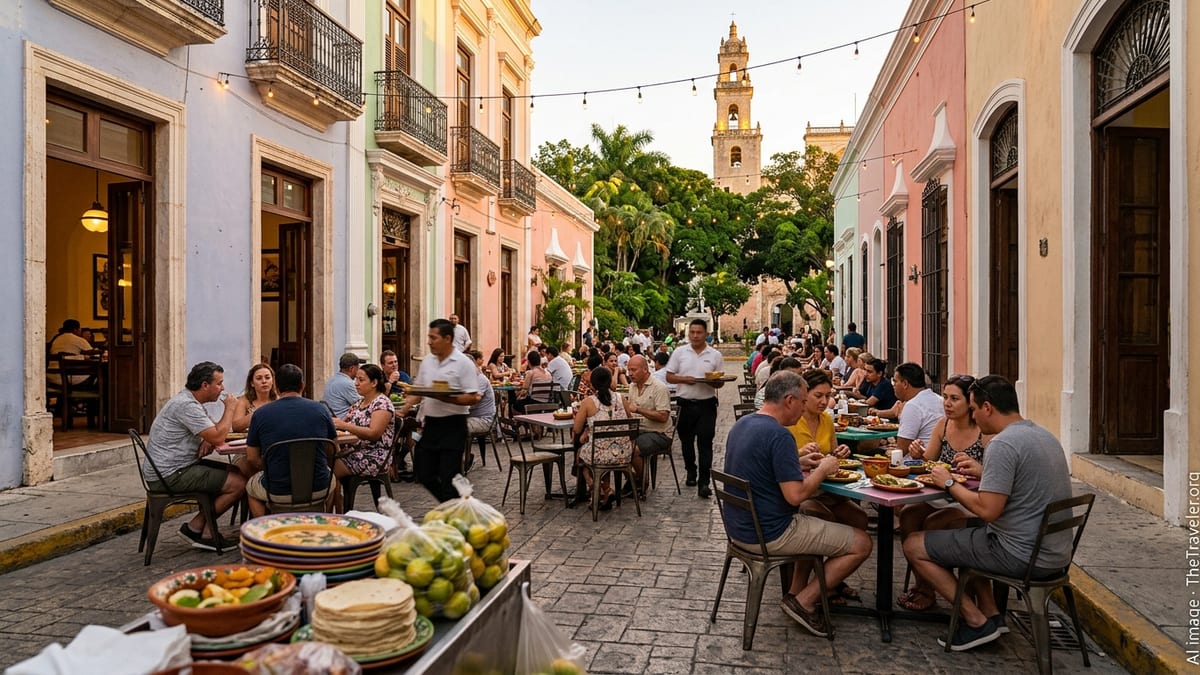
Michelin Guide Confirms Yucatán Entry in 2026
Publicly available information on the Michelin Guide’s Mexico expansion shows that the 2026 edition will extend beyond its current focus on Mexico City and other early participating regions to add new destinations, including Yucatán. Local coverage in Mérida has highlighted that the state is now formally on the Guide’s map, with the 2026 selection set to evaluate and recognize restaurants across the region.
A report from a Yucatán-based outlet in March 2026 notes that the state’s inclusion forms part of a broader Michelin strategy to deepen its presence in Mexico, following the launch of the country’s first Guide and subsequent additions to the national list of starred restaurants. For Yucatán, the upcoming edition is being framed as both a validation of its long-celebrated cuisine and a platform to position its chefs and dining rooms in front of a global audience of food-focused travelers.
Industry commentary indicates that the expansion is also closely tied to the growing economic weight of gastronomy in Mexican tourism. As the number of Michelin-recognized restaurants in the country has risen, tour operators and destinations have increasingly used the Guide as a shorthand for quality, weaving starred and recommended venues into itineraries marketed to international visitors.
Mérida’s Culinary Reputation Reaches a Global Stage
Mérida enters this new phase with a robust culinary reputation already in place. The city was named a UNESCO Creative City of Gastronomy in 2019, and recent monitoring documents from the network describe an active agenda of culinary festivals, restaurant certifications and food-centered tourism programs scheduled through 2026 and 2027. These initiatives emphasize both traditional Yucatecan cooking and contemporary interpretations that draw on Mayan, Spanish, Caribbean and Middle Eastern influences.
In late 2025, regional coverage of a UNESCO Creative Cities of Gastronomy assembly hosted in Mérida underscored how the city has become a reference point for Mexican food culture. Visitors were introduced to emblematic dishes such as cochinita pibil, papadzules and sopa de lima, as well as to the producers and traditional cooks behind them. Observers noted that Mérida is increasingly being promoted as a place to experience living culinary heritage rather than static museum-style displays.
At the same time, individual restaurants from the Yucatán region have begun appearing more frequently in international rankings and travel features. One Mérida-based restaurant, for example, has drawn notice in the extended lists of a major global dining ranking, while luxury properties near the city such as Chablé Yucatán have been cited in international lifestyle coverage for immersive food experiences set amid restored haciendas and jungle landscapes. Together, these references have helped frame greater Mérida as a serious culinary stop even before Michelin’s formal arrival.
Tourism Officials and Industry See Strategic Opportunity
Local tourism strategies suggest that Yucatán’s entry into the Michelin Guide is not occurring in isolation, but as part of a broader effort to reorient the state toward high-value, experience-driven travel. A 2025 report on a Gastronomic Tourism Roundtable in Yucatán, for instance, highlighted a multi-year work plan through 2026 that focuses on research, product development and promotion around food, using principles that emphasize sustainability, health and social support in the food value chain.
Separate coverage of meetings between Yucatán’s tourism authorities and the national restaurant chamber has described a coordinated push to consolidate the state’s position as a leading gastronomic destination. These initiatives concentrate on key hubs such as Mérida and Valladolid, which already attract significant visitor numbers and are now being encouraged to refine food offerings, strengthen linkages with producers and create marketable culinary routes.
Planning documents connected to Mérida’s UNESCO designation also reference the development of culinary tourism packages, food tours and cooking classes in partnership with local experts and destination management companies. The arrival of the Michelin Guide in 2026 is expected to provide additional leverage for such products, allowing them to be promoted internationally alongside recognized restaurants and chefs.
Industry analysts note that these efforts intersect with wider tourism trends in Mexico ahead of the 2026 World Cup. Recent travel coverage has portrayed Mérida as a safe, culturally rich base for visitors seeking gastronomy, culture and slower-paced stays away from the country’s most crowded beach destinations, suggesting that Michelin’s interest aligns with existing market demand.
From Markets to Haciendas: How Visitors Experience Mérida’s Food
For travelers, Mérida’s appeal lies in the variety of settings where Yucatecan cuisine can be experienced. City markets, traditional loncherías and neighborhood eateries offer access to everyday classics, while contemporary restaurants reinterpret local ingredients in tasting menus that appeal to international diners accustomed to fine-dining formats. Conference and event materials promoting Mérida as a congress destination frequently highlight this breadth, encouraging visitors to explore beyond hotel restaurants during their stays.
Outside the urban core, hacienda hotels and countryside retreats around Mérida have positioned food as a central element of their guest experience. International travel features describe open-fire cooking, corn-focused tasting menus and experiences that connect guests with milpa agriculture, native chiles and heirloom corn varieties. These offerings align closely with global trends in culinary travel that prioritize narrative, seasonality and a sense of place.
Specialized tour operators have begun to weave Mérida and the wider Yucatán into chef-led journeys and small-group itineraries, often pairing hands-on cooking sessions and market visits with excursions to cenotes and archaeological sites such as Uxmal. Program descriptions emphasize that the region’s food traditions are inseparable from its landscapes, whether through the use of citrus from local orchards or the influence of coastal fishing communities on inland menus.
Observers expect that once Michelin inspectors begin evaluating in Yucatán, some of these venues may seek formal recognition while others continue to focus on immersive, non-starred experiences. Either way, the Guide’s presence is likely to serve as an anchor that draws more visitors to discover the spectrum of food on offer, from street snacks to high-end dining.
Anticipated Impacts on Local Restaurants and Communities
The prospect of appearing in the Michelin Guide has generated discussion in local media about both opportunities and challenges for Yucatán’s restaurant sector. Coverage has examined the investment required for destinations to participate in the Guide and the potential returns in terms of international visibility, particularly for independent chefs and small culinary groups seeking to reach new markets.
Analysts and commentators point out that Michelin distinctions typically bring increased bookings, higher average spend and a sharp rise in interest from foreign visitors. In Yucatán, this could translate into new jobs in hospitality, greater demand for local produce and expanded markets for traditional artisans connected to tableware, textiles and design. At the same time, there are concerns about maintaining accessibility for local diners and ensuring that growth in high-end dining does not displace long-standing neighborhood establishments.
Policy documents associated with Mérida’s UNESCO commitments stress the importance of preserving intangible cultural heritage and supporting traditional cooks alongside contemporary chefs. If these principles are integrated into how the city and state promote their Michelin-related achievements, observers suggest that the expansion could amplify rather than overshadow grassroots food culture.
As 2026 approaches, Mérida is expected to intensify its culinary programming, from festivals and pop-ups to collaborations with chefs from other Mexican states already featured in the Guide. For travelers planning future trips, the combination of new Michelin recognition, established gastronomic credentials and a growing ecosystem of food-focused experiences positions Mérida and the broader Yucatán region as a key Mexican destination to watch.