

More news on this day
A ferocious late-winter blizzard has plunged much of Michigan into crisis, with whiteout conditions, paralyzed highways, grounded flights and life-threatening cold combining to stall emergency operations and leave travelers and residents scrambling for safety.
Get the latest news straight to your inbox!
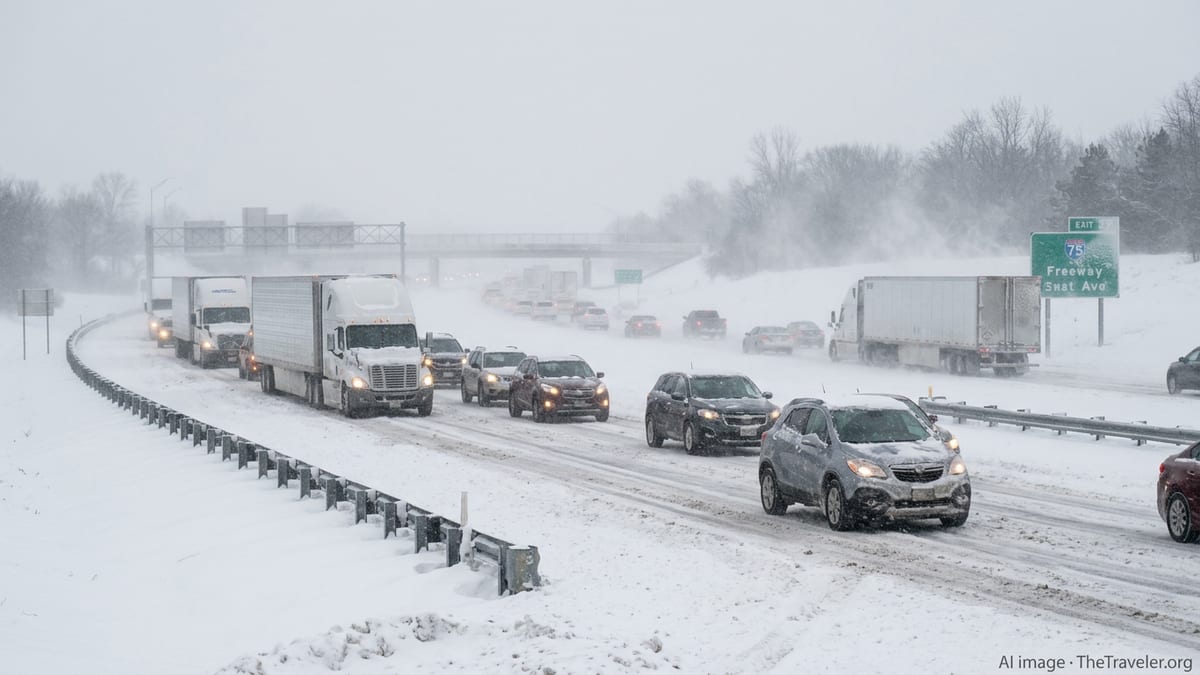
Whiteout Conditions Turn Highways into Hazard Zones
Snow squalls and blizzard-force gusts have transformed key travel corridors across Michigan into treacherous gauntlets, with sections of interstate highways repeatedly shut by spinouts, jackknifed trucks and multi-vehicle crashes. Reports indicate that north–south routes such as I-75 and major east–west links across the Lower Peninsula have seen long stretches of stop-and-go traffic, roadside abandonments and hours-long closures as visibility drops near zero.
Publicly available information from transportation agencies and local media highlights a pattern of sudden whiteouts where bands of intense lake-effect snow cross heavily traveled corridors. Drivers have described going from wet pavement to complete loss of horizon in seconds, a hallmark of Great Lakes blizzard events that leaves even seasoned winter motorists with little time to react. Plows and tow operators have struggled to keep pace as fresh squalls repeatedly erase cleared lanes.
Travel advisories across multiple counties have urged residents to avoid nonessential trips, emphasizing that conditions can deteriorate far faster than forecasts suggest once winds align over the lakes. In rural stretches of northern and central Michigan, drifting snow has built chest-high banks along secondary roads, effectively isolating some side streets and complicating any attempt to move people or supplies.
For those who were already on the road when the heaviest bands hit, social media images and local broadcast footage show miles of stranded vehicles, with travelers running engines intermittently to conserve fuel while trying to stay warm. Emergency travel waivers for trucking and commercial transport, introduced earlier in the winter to support storm response, are being tested as long-haul drivers navigate a patchwork of closures and detours.
Emergency Operations Stretched as Response Times Slow
The blizzard has exposed how quickly extreme winter weather can disrupt emergency operations even in a snow-hardened state. Publicly available emergency management notices and regional briefings describe overloaded dispatch centers and delayed response times, particularly in counties where rural townships rely on volunteer fire and medical crews who must first battle the same conditions just to reach their stations.
State-level emergency planning documents note that blizzard conditions can effectively pause or severely slow everything from ambulance transfers and search-and-rescue deployments to road-clearing rotations. When whiteouts combine with power outages and plummeting temperatures, the number of calls for wellness checks, downed lines and stranded motorists typically surges, stretching limited personnel and equipment.
Published guidance from Michigan emergency planners in recent years has emphasized that one of the first casualties of a severe winter storm is mobility. As drifting snow blocks rural lanes and ice locks up city streets, even well-resourced operations centers face hard choices about where to send plows, tow trucks and limited four-wheel-drive rescue units. The current blizzard is following that familiar pattern, with local reports pointing to prioritization of main arteries and hospital routes while lesser-used roads remain untouched for extended periods.
At the same time, emergency managers are monitoring the risk that stalled traffic corridors could impede mutual-aid assistance between neighboring counties. When multiple jurisdictions enter blizzard conditions simultaneously, there is less spare capacity to loan out, and calls for help can quickly outstrip the available equipment. That dynamic has been a key focus of winter preparedness exercises in Michigan and is now playing out in real time as the storm lingers.
Air, Rail and Bus Travel Disrupted Across the State
The storm’s reach extends far beyond the highway network, with air, rail and intercity bus services across Michigan facing cascading disruptions. Flight-tracking data and airline status boards show waves of cancellations and diversions at major airports serving Detroit, Grand Rapids and other regional hubs as heavy snow and crosswinds periodically push operations below safe thresholds.
Airport crews have been attempting to keep runways open with continuous de-icing and plowing, but published coverage from previous blizzard events underscores how quickly snow rates above a few inches per hour can overwhelm even large fleets of equipment. When visibility falls below minimums, pilots, controllers and carriers have little choice but to suspend takeoffs and landings, stranding travelers and contributing to a buildup of aircraft and crews out of position.
On the ground, passenger rail and intercity bus routes have faced their own obstacles. Public timetables and operator alerts indicate that some trains and buses have been canceled preemptively on exposed corridors where drifting snow and blocked crossings are common. In other cases, long delays have been reported as vehicles queue behind stalled freight trains or wait for plows to reopen key segments.
For travelers hoping to continue across the wider Great Lakes region, the Michigan blizzard has added another layer of uncertainty to an already difficult late-winter pattern. Routes heading toward Chicago, Toronto and the Northeast are navigating a moving target of storm bands, with carriers adjusting schedules hour by hour. The net effect is a near-halt to predictable overland travel, with many passengers opting to shelter in place rather than risk being stranded mid-journey.
Power Outages and Life-Threatening Cold Raise Risks at Home
Behind the dramatic highway scenes, the blizzard’s most dangerous impacts are emerging in neighborhoods and rural communities where power, heat and access to essential services are being tested. Utility outage maps show tens of thousands of customers without electricity at various points, particularly in areas where wet, heavy snow and gale-force gusts have toppled limbs onto lines and brought down poles.
Publicly available emergency planning materials for Michigan warn that prolonged outages during a blizzard can quickly escalate into life-threatening situations, especially for older adults, people with medical devices and households reliant on electric heat. As temperatures dive well below freezing and wind chill makes outdoor exposure hazardous, the margin for error shrinks to hours for those without backup heat or the ability to relocate.
Community warming centers, faith-based facilities and municipal buildings have been designated in many counties as places where residents can seek shelter if home conditions become unsafe. However, the same road closures and visibility issues hampering emergency responses also make it difficult for people in remote areas to reach those locations. Local reports describe neighbors sharing generators, wood stoves and spare rooms in ad hoc networks of support that are often crucial during severe winter events.
Health agencies have repeatedly highlighted the hidden risks that accompany blizzard-related power losses, including carbon monoxide poisoning from improper generator use, hypothermia in unheated homes and an uptick in cardiac events linked to strenuous snow shoveling. As this storm continues, public messaging has urged residents to check on vulnerable neighbors, conserve phone battery life in case of extended outages and be cautious with any improvised heating methods.
Travelers and Residents Urged to Reassess Plans
With conditions fluctuating by the hour and forecasts suggesting lingering bursts of snow and strong winds, travelers and residents across Michigan are being encouraged through public advisories and media coverage to reassess any nonessential movement. Meteorological outlooks point to the possibility of additional lake-effect bands and localized whiteouts even after the main core of the storm passes, meaning risks on the road may outlast the heaviest snowfall.
Transportation and tourism information platforms have emphasized that those already in the state should build extra flexibility into itineraries, keep fuel tanks high, carry winter emergency kits and monitor multiple information sources for real-time updates. For visitors unaccustomed to Great Lakes blizzards, the guidance repeatedly stresses that familiar driving instincts from milder climates are a poor match for conditions where visibility can collapse and surfaces can glaze with ice in a matter of minutes.
For residents, the storm arrives against the backdrop of a winter that has already featured bitter cold snaps, freezing rain and rapidly changing weather patterns. Emergency preparedness campaigns in Michigan have long urged households to maintain several days’ worth of food, water and medications, as well as backup lighting and battery power. The current blizzard is reinforcing that message, demonstrating how quickly normal life can be interrupted when extreme snow and wind converge.
As cleanup begins in areas where the storm is slowly loosening its grip, many parts of the state remain on edge, watching for the next band of snow on radar and waiting for confirmation that roads, power lines and essential services are stabilizing. For now, the central travel advice is simple but stark: if you do not absolutely need to be on the move in Michigan’s blizzard zone, it is safer to stay put and let the worst of the weather pass.