

More news on this day
Communities across Michigan, including Manistee, Lansing, Grand Rapids, Dearborn, St. Ignace and Muskegon, are sharpening their tourism edge as new America250MI history grants flow into museums, trails and heritage sites ahead of the United States’ 250th birthday in 2026.
Get the latest news straight to your inbox!
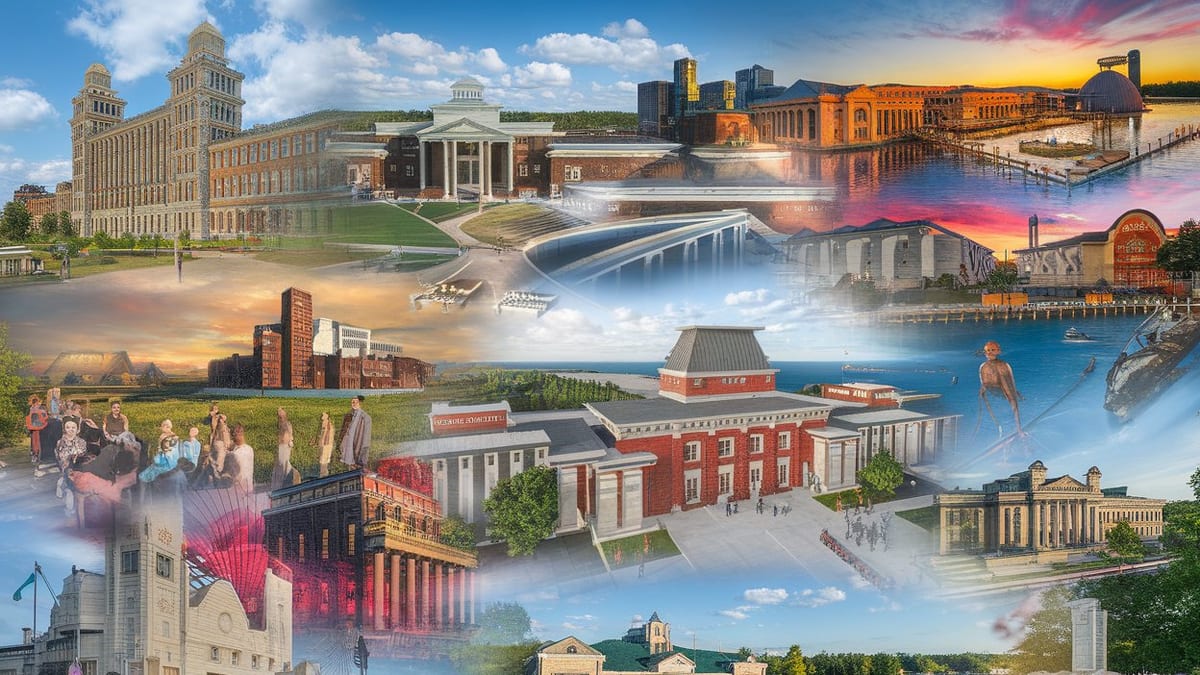
Image by Travel and Tour World – Tourism, Airline, Destination, MICE, Gobal Travel Market, Hotel news that you will find only over here.
America250MI Grants Accelerate Semiquincentennial Preparations
Publicly available information from the Michigan History Center and Historical Society of Michigan shows that the America250MI History Grant Program is steering nearly 1 million dollars in first round awards to more than 50 organizations across the state, with a second round of funding now in progress. The grants are part of Michigan’s official effort to mark the 250th anniversary of the Declaration of Independence, with an emphasis on projects that preserve history while drawing more visitors.
The program’s guidelines emphasize projects that improve access, interpretation and long term preservation, a mix that is closely aligned with tourism development. Many of the winning proposals involve new exhibits, enhanced public programming and infrastructure improvements designed to handle increased visitation leading up to 2026.
Manistee, Lansing, Grand Rapids, Dearborn, St. Ignace and Muskegon appear prominently in state listings of communities targeted for revitalization and heritage investment, and these same places are now leveraging America250MI support to reposition themselves as gateways to Michigan’s Revolutionary era legacy and broader state history. The timing is intended to ensure that upgrades are in place before national attention turns to the semiquincentennial period in 2025 and 2026.
Manistee and Lakeshore Communities Turn History into Destination Appeal
Along the Lake Michigan shoreline, Manistee and Muskegon are using the America250MI framework to build on existing maritime and industrial heritage attractions. Grant funded projects highlighted in statewide coverage include upgrades to artifact storage, interpretive signage and digital access, all of which help smaller museums and volunteer led institutions better serve out of town visitors.
Officials and local partners in these communities have long promoted historic downtowns, waterfronts and lighthouses as key to four season tourism. The new funding is described in public materials as a way to finally tackle backlogged conservation work and exhibit refreshes that can make those historic corridors more engaging for travelers seeking authentic, place based experiences.
Destination marketing organizations along the lakeshore are expected to fold the America250MI projects into broader campaigns centered on Great Lakes recreation, scenic byways and small town getaways. By 2026, visitors driving the corridor between Manistee and Muskegon are likely to encounter a more coordinated network of sites that interpret the region’s shipping, lumber and industrial past.
Lansing, Grand Rapids and Dearborn Build Urban Heritage Itineraries
Michigan’s largest urban centers are also leaning into America250MI as a catalyst for cultural tourism. Grant award summaries and local news coverage point to Lansing projects that highlight labor history and democratic participation, including new physical and online exhibitions that can anchor civics themed visits to the state capital.
In Grand Rapids, information released through the grant program describes a mobile Democracy Café concept, designed to bring historical interpretation and dialogue into neighborhoods and public spaces. While modest in size compared with large museum expansions, such projects expand the footprint of heritage tourism beyond traditional downtown institutions, creating more entry points for residents and visitors to engage with the city’s past.
Dearborn, already home to some of Michigan’s most visited history attractions, is represented among the first round of grantees through organizations focused on military and community heritage. These efforts are positioned to complement existing draws by adding new stories and interpretive layers tied explicitly to the 250th anniversary theme, encouraging repeat visitation from regional and national audiences.
St. Ignace, Trails and Lighthouses Anchor Northern Road Trips
North of the Mackinac Bridge, St. Ignace and surrounding communities are using America250MI support to strengthen trail, maritime and Indigenous history offerings that are central to the Straits region’s appeal. Published program materials stress the importance of “power of place,” a guiding theme that encourages investments in sites where visitors can physically encounter layered histories along the Great Lakes.
Similar grant backed projects elsewhere in the state, such as expanded tours and educational programming at the Port Austin Reef Light, demonstrate how lighthouses and waterfront landmarks are being repositioned as semiquincentennial touchpoints. These models are influencing plans in St. Ignace and other northern gateways, where scenic byways, heritage trails and waterfront parks already attract road trippers en route to Michigan’s Upper Peninsula.
Upgrades to signage, guided experiences and digital interpretation along these corridors are expected to lengthen visitor stays and spread tourism spending across nearby communities. As 2026 approaches, travel planners are likely to bundle St. Ignace and other America250MI backed sites into thematic itineraries that connect Revolutionary era history with the evolution of Great Lakes commerce and culture.
Digitization, Accessibility and Community Partnerships Shape Visitor Experience
Beyond bricks and mortar improvements, the America250MI grants are prompting local organizations to modernize how they share collections with both residents and tourists. Projects in communities such as Webster Township, where historical societies are using funds to digitize fragile records and make them freely accessible online, illustrate a broader push toward hybrid physical and virtual engagement.
Public descriptions of successful applications emphasize collaboration among museums, libraries, tribal nations, veterans groups and civic organizations. These partnerships are framed as essential for creating experiences that resonate with diverse audiences and support sustained tourism rather than one time anniversary events.
As Michigan enters the final stretch before the national semiquincentennial, the cumulative impact of these projects is expected to be visible in refreshed galleries, restored artifacts, new outdoor markers and expanded programming across dozens of communities. For travelers, the result will be a denser and more connected map of places to explore, with Manistee, Lansing, Grand Rapids, Dearborn, St. Ignace, Muskegon and other America250MI grant recipients positioned as key stops in telling the state’s evolving story.