

More news on this day
Rapidly shifting airspace closures over Iran, Israel, the United Arab Emirates and Qatar are rippling across global aviation, stranding tourists, scrambling airline schedules and forcing travelers and tour operators to redraw their plans in real time.
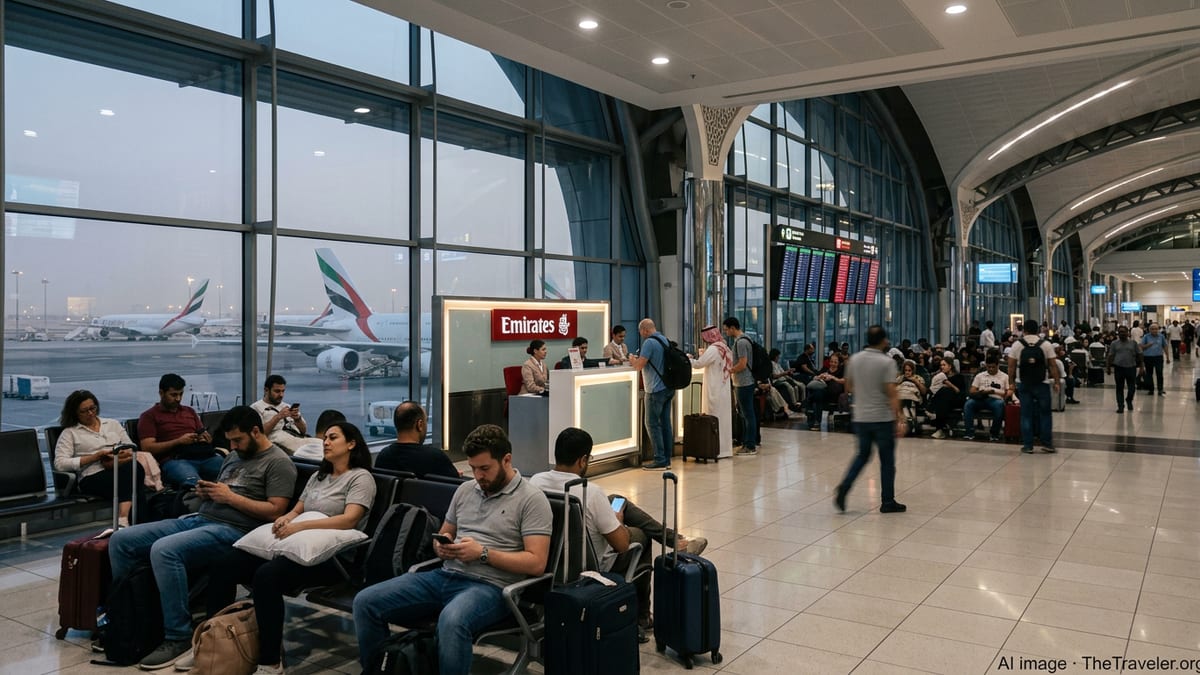
What Is Happening in the Skies Over Iran, Israel, the UAE and Qatar
The latest escalation in the Iran–Israel conflict, backed by US military strikes, has triggered some of the most extensive airspace restrictions the Middle East has seen since the pandemic. In late February and early March, Iran and Israel closed their skies to most civilian traffic while Gulf states including the UAE and Qatar imposed sweeping limits in response to missile and drone attacks and the risk of further strikes.
Iran has imposed a near-total closure to civil aviation, with overflights and commercial services halted except for specially approved operations. Israel’s civil airspace remains effectively shut to regular passenger traffic, with only tightly controlled repatriation and emergency flights operating under military oversight.
The UAE, home to mega-hubs Dubai International and Abu Dhabi International, initially closed large portions of its airspace and briefly evacuated Dubai airport after nearby strikes. Authorities have since opened controlled corridors, allowing Emirates and Etihad to restart a reduced schedule while maintaining strict route restrictions and heightened security screening.
Qatar’s Hamad International Airport in Doha, another key global transit hub, has been hit by intermittent closure orders following attempted strikes. Qatari authorities have kept airspace formally closed to routine services, authorising only limited relief and repatriation flights along pre-cleared corridors to major European and Asian destinations.
Global Flight Networks Re-Routed and Schedules Slashed
The combined effect of these closures has been a sudden shock to global flight networks. Airlines that traditionally overfly Iran and the Gulf to connect Europe and North America with South and Southeast Asia have been forced into lengthy detours, adding hours to flight times, raising fuel costs and stretching crew and aircraft availability.
Major European and Asian carriers have suspended or reduced services to Dubai, Abu Dhabi, Doha and Tel Aviv, while also cancelling flights that would typically transit Iranian and Iraqi airspace. Some long-haul services have been turned back midair or have spent many hours in holding patterns before diverting, leaving passengers on so-called flights to nowhere that land back at their point of origin after marathon journeys.
Within the region, Gulf and Levant carriers have drastically trimmed their schedules. Emirates and Etihad are operating a fraction of their usual departures as they prioritise stranded passengers and repatriation demand. Qatar Airways remains largely grounded for regular commercial flights, with only select relief services announced day by day. Low-cost and regional airlines have cancelled tens of thousands of seats across the Middle East, compounding pressure on the limited services still running.
Industry analysts warn that the longer the closures persist, the deeper the financial hit for airlines and airports will become. Carriers face not only lost revenue but also higher operating costs for rerouted flights, while hub airports risk a sharp drop in passenger throughput at what would normally be a peak travel period.
Tourism Hubs from Dubai to Doha Feel the Strain
Tourism-dependent destinations in the UAE and Qatar are feeling the disruption immediately. Dubai, which welcomed more than 95 million international passengers through its main airport last year and has built a global reputation as a stopover and leisure hub, has seen thousands of visitors stuck in hotels waiting for scarce outbound seats. Hotels and resorts report full occupancy in some districts, but a growing share of guests are unwilling long-stayers with extended vouchers rather than new holidaymakers.
Abu Dhabi’s cultural and leisure attractions, from its museums to theme parks, remain open and are still drawing local and regional visitors, yet the flow of high-spending long-haul tourists has weakened. Tourism authorities in the UAE have moved to reassure visitors already in the country, waiving some overstay penalties and coordinating with airlines and tour operators to manage rebookings and temporary accommodation.
In Qatar, the sharp reduction in international arrivals is being felt across Doha’s hotel sector, conference venues and retail destinations. Large-scale events and business meetings scheduled for March have been postponed or shifted online, and some cruise lines have cancelled remaining Gulf sailings for the season, rerouting ships away from Doha and Dubai.
Further afield, the shockwaves are reaching destinations that depend on Middle East hubs for connectivity. Popular Indian Ocean islands, East African safari gateways and parts of Southeast Asia that rely on Emirates, Etihad and Qatar Airways to feed visitors from Europe and North America are reporting increased cancellations and last-minute itinerary changes as travelers struggle to find alternative routings.
What This Means for Current and Upcoming Travelers
For travelers already on the move, the situation remains fluid and can change within hours. Authorities and airlines are urging passengers not to proceed to airports in affected countries unless they have received direct confirmation that their specific flight is operating. Even then, departure times and routings may shift as military activity, risk assessments and air traffic control directives evolve.
Most major airlines serving the region have introduced flexible rebooking and refund policies for tickets issued before the latest escalation, allowing passengers to change dates or destinations without standard fees. However, availability on alternative routes is limited, especially for those trying to reroute around closed airspace at short notice. Travelers holding tickets that involve transits through Dubai, Abu Dhabi, Doha or Tel Aviv over the coming days should check their booking status daily and be prepared for last-minute schedule changes.
Tour operators are reworking itineraries to avoid affected hubs, often substituting connections via Istanbul, southern Europe or South Asian gateways where possible. Some are offering credits rather than cash refunds, citing the uncertainty over how long restrictions will remain in place and the financial strain on their own businesses.
Travel insurance coverage varies greatly. Policies that include war or civil unrest exclusions may not cover additional accommodation or rerouting costs linked directly to the conflict, while premium products that offer broader disruption protection may provide some reimbursement. Passengers are being advised to read policy wording carefully and to keep all receipts and written confirmations from airlines and hotels to support any eventual claim.
Key Safety, Booking and Planning Advice for Affected Passengers
For would-be travelers, the consensus from aviation and security experts is to avoid non-essential trips that require transiting the affected airspace corridors until the risk environment is clearer. Government advisories for Iran, Israel and several Gulf states have been tightened, with some agencies now explicitly warning against all but essential travel and urging citizens already in the region to depart on available commercial services while they still can.
Anyone with upcoming bookings that involve flights over Iran, Israel, the UAE or Qatar should monitor official travel advisories from their home government, along with updates from their airline and departure airport. Because overflight patterns are being reconfigured day by day, even journeys that do not stop in the Middle East but normally cross its skies may be lengthened or rescheduled.
Travel planners recommend building extra buffer time into any long-haul itinerary over the next several weeks, avoiding tight connections and considering routing via alternative hubs in Europe, Asia or Africa that are currently operating normally. Where possible, travelers should ensure that airlines and booking platforms have up-to-date contact details so that schedule changes and rebookings can be communicated quickly.
While aviation authorities in the UAE and parts of the Gulf are cautiously reopening controlled corridors, analysts say the broader outlook will depend on how quickly the security situation stabilises and whether further missile or drone attacks materialise. Until there is a sustained period of calm and clearer guidance from regulators, global travelers should expect continued volatility in schedules and be prepared to adjust their plans at short notice.