

More news on this day
Escalating conflict in the Gulf region is rippling far beyond the Middle East, as South Africa joins India, Germany, the United Kingdom, Singapore, Nigeria and Thailand in confronting severe airspace disruptions, rising fares and stalled medical travel linked to closures and restrictions over Qatar, Saudi Arabia, the United Arab Emirates and Iraq.
Get the latest news straight to your inbox!
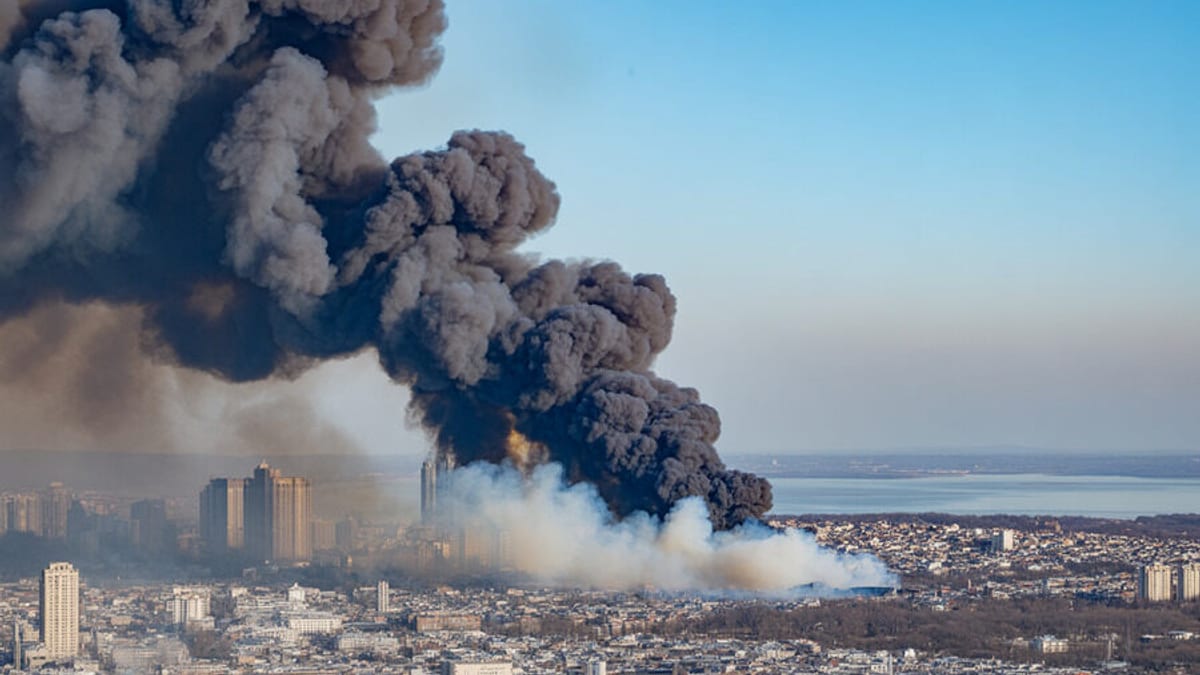
Image by Global Travel Alerts, Advisories, International Travel Alerts
Middle East Airspace Closures Ripple Across Global Networks
Since late February, conflict involving Iran and key Gulf states has triggered unprecedented airspace restrictions across Qatar, the United Arab Emirates, Iraq and neighboring countries, sharply reducing civilian traffic along one of the world’s busiest east–west corridors. Industry circulars and aviation advisories describe swathes of regional sky as restricted or intermittently closed, forcing airlines to cancel or reroute thousands of flights serving Europe, Africa and Asia.
Reports compiled by travel management companies and risk consultancies indicate that airspace over Iran, Iraq, Israel, Qatar and parts of the Gulf remains either fully closed or subject to sudden restrictions, while traffic through surviving corridors is heavily congested. This has created bottlenecks for long-haul services that traditionally rely on Gulf hubs such as Doha and Dubai as refuelling and transfer points.
According to published aviation data, more than half of scheduled flights in some Middle Eastern markets have been cancelled since the first strikes, leaving passengers stranded and airlines scrambling to design alternative routings that avoid conflict zones. The disruption is being described in some industry coverage as the sector’s sternest test since the pandemic, with knock-on effects now clearly visible across Africa, South Asia and Europe.
Guidance from European and international regulators has reiterated recommendations to avoid or severely limit operations in affected flight information regions, including those covering parts of Saudi Arabia and the wider Gulf. Carriers that continue to operate have been urged to keep routes well clear of active conflict areas, deepening the need for lengthy detours.
South Africa Confronts Longer Routes and Higher Costs
South Africa, which depends on long-haul connections to Europe, the Middle East and Asia, is emerging as one of the non-regional countries most exposed to the new aviation geography. With direct overflights of Iran and Iraq largely off the table and key Gulf hubs curtailed, airlines serving Johannesburg, Cape Town and Durban are turning to southern or central Asian routings that can add several hours to typical journeys.
Publicly available flight tracking and schedule data show that services between South Africa and major markets such as India, Singapore and Western Europe are being reconfigured to bypass sensitive airspace, often with additional fuel stops. These changes increase operating costs at a time when global oil prices are already climbing in response to the conflict’s impact on Gulf energy infrastructure and shipping lanes.
South African outbound travelers are reporting a combination of reduced seat availability, higher fares and tight connections as carriers re-time their schedules to accommodate new routings. Tourism operators focused on inbound visitors from Europe and Asia are also warning of potential slowdowns, as longer travel times and higher ticket prices weaken demand for long-haul leisure travel to the country.
Air freight serving South Africa is affected as well. Cargo that previously moved efficiently through Gulf hubs now competes for space on rerouted passenger flights or must detour via less direct European and African gateways, increasing costs for importers and exporters and adding uncertainty to supply chains already strained by the global energy shock.
Medical Travel Under Strain from Route Disruptions
The same Gulf hubs that underpin global aviation connectivity have, in recent years, become vital to the medical travel industry. Hospitals in India, Thailand, Singapore, South Africa and parts of Europe rely on relatively seamless links via Doha, Dubai and other Middle Eastern gateways to draw patients from Africa, the Middle East and Central Asia.
Industry publications focused on health tourism report that these flows have been sharply interrupted. Indian hospitals, for example, are seeing a downturn in patient arrivals from Gulf and West Asian markets, a trend attributed to airspace closures, security concerns and sharply higher ticket prices. Providers are now seeking to diversify toward African and Southeast Asian markets that can be served without transiting conflict-affected skies.
For South Africa, which has steadily built a niche as a regional hub for complex procedures and elective surgeries for patients from across the continent, the disruption is particularly acute. Many of these patients would previously have transited through Doha, Dubai or Abu Dhabi on their way from North and West Africa. With schedules cut back and routings lengthened, some are postponing treatment or shifting to alternative destinations that can still be reached on relatively direct flights.
Global health agencies have also warned that the conflict is hindering the movement of critical medical supplies. Humanitarian logistics systems that rely on Gulf airports as consolidation points for medicines and equipment are being forced to reconfigure flight plans and warehouse networks, delaying deliveries to vulnerable countries and increasing costs for donors and health ministries.
India, Europe, and Asian Hubs Scramble for Alternatives
Beyond South Africa, major economies including India, Germany, the United Kingdom, Singapore, Nigeria and Thailand are contending with similar challenges as their carriers adjust to the new reality in Gulf airspace. For India, the conflict comes at a time of rapid growth in outbound tourism and medical travel, as well as intense competition among domestic and Gulf-based airlines for transfer traffic connecting Europe and Asia.
Indian aviation and tourism coverage highlights that carriers have had to re-route flights to Europe and North America away from Iranian and Iraqi skies, pushing them onto longer tracks over Central Asia or the Caucasus. These tweaks increase fuel burn and crew costs, which are ultimately passed on to passengers and tour operators. Indian airports that once relied on smooth onward connections via Doha or Dubai are now seeing missed links and last-minute schedule changes.
European carriers, particularly those based in Germany and the United Kingdom, are also recalibrating. Analysts note that long-haul routes to South and Southeast Asia were already being stretched by previous geopolitical tensions around Russian airspace, leaving limited flexibility when Gulf corridors suddenly narrowed. Airlines are now sequencing detours that sometimes combine diversions both north and south of traditional paths, lengthening flights and complicating crew scheduling.
In Southeast Asia, Singapore and Thailand are feeling the strain on both tourism and trade. With key Middle Eastern markets harder to reach and European visitors facing costlier journeys, regional tourism boards are revisiting forecasts for 2026. Some carriers are experimenting with new non-stop services that bypass the Gulf entirely, but such routes often require high fuel loads and strong demand to remain viable.
African and Nigerian Travellers Face Added Vulnerabilities
Nigeria and other African countries that depend heavily on foreign carriers and Gulf hubs for long-haul connectivity are experiencing a different kind of vulnerability. Much of their intercontinental travel relies on a limited number of airlines and routings, making disruptions particularly acute when one or two hubs are removed from the network.
Travel advisories issued by several African governments and risk consultancies have warned citizens about potential delays, cancellations and last-minute rebookings on routes transiting the Gulf. Nigerian passengers heading to destinations such as India for medical treatment, the United Kingdom for study, or Southeast Asia for business now frequently face longer itineraries, with additional stopovers in Europe or Southern Africa replacing once-direct connections through Doha or Dubai.
Airlines serving West Africa are responding with capacity shifts, moving some services away from Gulf hubs toward European partners or alternative African gateways. However, these adjustments take time and may not fully offset lost connectivity. Smaller African carriers with limited fleets have less room to maneuver, amplifying the risk of stranded passengers and disrupted cargo flows.
Tourism operators across the continent are monitoring booking patterns closely. While some travelers may simply defer or cancel trips to affected destinations in the Middle East, others are reorienting their plans toward intra-African or European holidays, potentially reshaping regional tourism flows into the next high season.
Energy Shock and Flight Route Economics
The conflict’s broader impact on energy markets is compounding aviation and travel challenges. Strikes on Gulf energy infrastructure and renewed uncertainty around shipping through strategic chokepoints have driven oil and gas prices sharply higher, feeding directly into jet fuel costs. Airlines already stretched by longer routings now face a second hit from more expensive fuel.
Analysts note that detours of several hundred or even a thousand nautical miles, multiplied across daily operations, can quickly erode already thin margins on long-haul routes. Carriers must decide whether to absorb some of these costs, risking profitability, or pass them on through surcharges and fare increases that may dampen demand.
For travellers from South Africa, India, Europe and across Africa, this dynamic means that the effects of the Gulf conflict are likely to be felt not only in route maps and schedules, but also in ticket prices and travel planning. Corporate travel managers are revising budgets, while leisure travelers are reconsidering destinations that now involve longer, more complex and more expensive journeys.
With no clear timeline for a resolution to the conflict and airspace guidance repeatedly extended by regulators, aviation and tourism stakeholders are preparing for a protracted period of volatility. The adjustments South Africa and its peers are making today may foreshadow a more fragmented and costlier era for global travel, in which medical tourism, tourism receipts and cross-border mobility all feel the strain of conflict far from home.