

More news on this day
Escalating tensions and active conflict across the Middle East are triggering sweeping airspace closures, forcing airlines on multiple continents to cancel routes, lengthen flight paths and rapidly redraw global connectivity between Europe, Asia and Africa.
Get the latest news straight to your inbox!
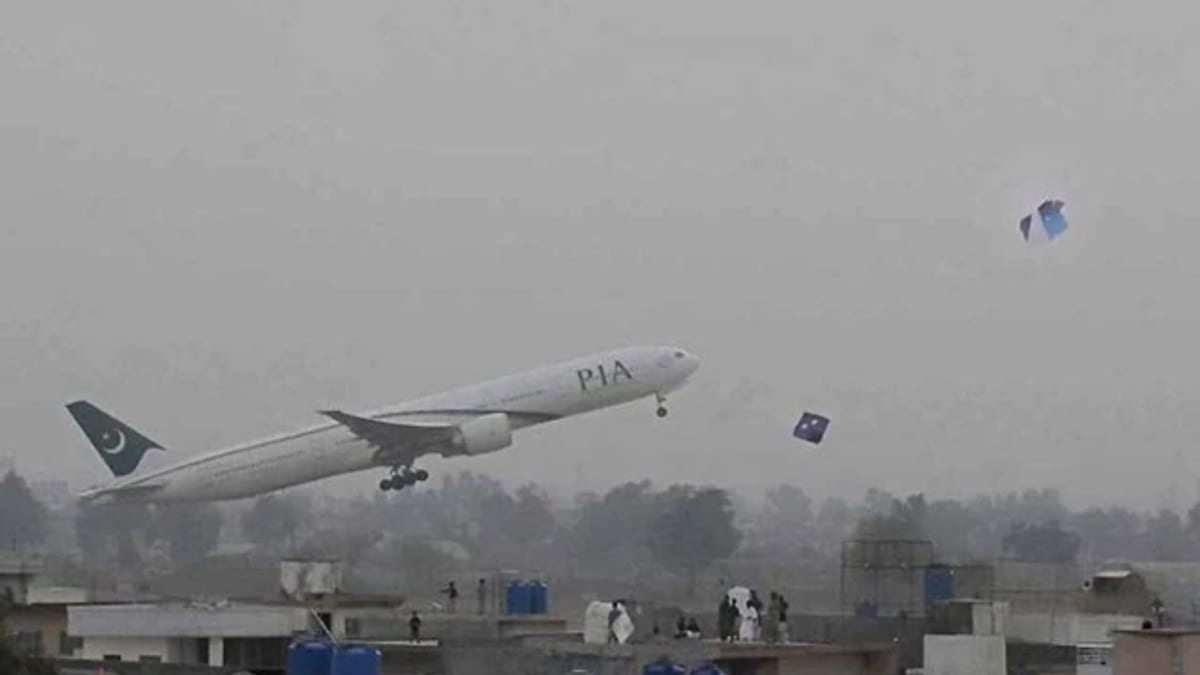
Airspace closures ripple across a key global corridor
Publicly available airspace notices and operational updates show that large parts of Iranian, Iraqi and Gulf airspace have been restricted or closed since late March 2026 as the Iran conflict intensifies. Aviation analysts note that these flight information regions sit directly on the most efficient great-circle tracks linking Europe with South and Southeast Asia, meaning even limited closures have outsized effects on global schedules.
According to recent summaries of the economic impact of the conflict, several Middle Eastern states including Bahrain, Iraq, Israel, Kuwait, Qatar, Syria and the United Arab Emirates have imposed broad restrictions on civil overflights following strikes and military activity. As a result, long-haul carriers that previously crossed the region in a near straight line are being pushed either north via Central Asia and the Caucasus or south via the Arabian Sea and Indian Ocean, adding hours of flying time and substantial fuel burn.
Industry briefings indicate that some major airports in the region, notably in Iran, remain fully shut to regular passenger traffic. Imam Khomeini International Airport serving Tehran is listed as having all commercial flights suspended, while several Gulf and Levant gateways report sharply reduced schedules as airlines trim or halt operations. Aviation consultants estimate that airports in the affected zone collectively handled around 15 percent of global air traffic before the current crisis, underscoring the scale of the disruption.
For travelers, the immediate impact is visible in widespread cancellations, missed connections and rolling schedule changes. Flight-tracking datasets compiled in recent days point to thousands of delayed or diverted services since the end of March, with disruption radiating well beyond the Middle East into Europe, India and East Asia.
Airlines slash capacity and suspend Middle East routes
Multiple carriers in Europe, Asia and the Gulf have moved from short-term caution to extended suspensions of Middle East services as the conflict persists. Aviation-focused outlets report that eight major airlines cut or froze significant parts of their Middle East networks after a wave of airspace closures in late March, collectively removing more than half of scheduled seat capacity into key hubs.
France’s flag carrier has extended the grounding of flights to Dubai, Riyadh, Tel Aviv and Beirut through at least 19 April 2026, according to recent schedule updates, following earlier rolling suspensions triggered by the sudden closure of Iranian and Iraqi airspace. The decision not to reroute those services along longer detours suggests that, for some airlines, the operational and financial burden has outweighed the revenue potential while conditions remain volatile.
In the Gulf, publicly available notices show that Gulf Air has halted flights to and from Bahrain until further notice, significantly reducing connectivity for regional and transfer passengers. Advisory bulletins from logistics and freight providers also list widespread suspensions or severe delays for passenger and cargo services into Saudi Arabia, the United Arab Emirates, Iran and Iraq, reinforcing the picture of a fragmented regional network.
Even carriers based outside the immediate conflict zone are adjusting. Recent analyses of European schedules highlight extended suspensions of services to Tel Aviv, Amman, Erbil and Tehran by several network airlines, alongside rerouting of Asia flights that previously transited the region. These measures echo earlier patterns seen during the closure of Russian airspace but now affect an additional set of high-traffic corridors.
India and Asia-Pacific feel the strain of longer detours
Airlines across South and Southeast Asia are among the most exposed to Middle East airspace restrictions, due to their reliance on westbound routes that cross Iran and Iraq en route to Europe. Reports from aviation news outlets indicate that Indian carriers in particular are facing a double challenge, as the Iran conflict coincides with an existing Pakistani airspace closure for Indian airlines.
Air India and low cost affiliate Air India Express have recently suspended several West Asia routes, including services to Doha, Kuwait, Bahrain, Tel Aviv and Dammam, cutting dozens of daily flights. Travel advisories published on 2 April detail further cancellations across Doha, Tel Aviv, Kuwait and Bahrain, even as a limited number of flights to certain United Arab Emirates and Saudi Arabian destinations continue to operate via adjusted routings.
In Southeast Asia, Vietnamese operators are reporting mounting pressure on Europe services. Local business media note that flights from Vietnam to European cities are now using either northern corridors through Central Asia and China or southern tracks via South Asia and the Arabian Peninsula, depending on the day to day status of Middle Eastern airspace. Vietnam’s air navigation provider has estimated revenue losses of close to 1 million dollars per month from the rerouting, while the country’s airport operator expects monthly revenue to fall by around 10.9 million dollars amid reduced passenger throughput.
Similar patterns are emerging in other Asia Pacific markets. Community tracking threads and airline advisories describe Philippine, Thai and Singaporean carriers cancelling selected services to Middle East hubs and Europe, while rerouting surviving flights along longer paths through Turkey, India or Thailand. For passengers, the practical result is reduced choice of nonstops, longer journey times and rising fares on the remaining seats.
Hub airports from Amman to Muscat face cascading disruption
The operational fallout is being felt intensely at regional hubs that depend on dense short haul links within the Middle East. At Queen Alia International Airport in Amman, Jordan, recent tallies based on flight tracking data show at least 58 cancellations and 41 delays over a short period as Royal Jordanian and Gulf Air suspend services to Beirut, Baghdad, Doha, Damascus and Bahrain. The concentration of the disruption on a handful of core routes has left hundreds of passengers seeking last minute alternatives or forced to postpone travel.
Further south, Oman’s low cost carrier SalamAir has announced temporary suspension of multiple routes as airspace closures and conflict related risk assessments reshape its network. Services to and from Iran are paused until at least the end of August 2026, according to the airline’s latest public update, while flights linking Oman with Iraq, Lebanon, Kuwait, Qatar and Sharjah are suspended until the end of May. Industry observers say such long dated suspensions point to expectations of a protracted period of instability in regional skies.
Other Gulf and Levant airports report a mix of reduced frequencies and selective resumptions. Operational notes from logistics providers indicate that while some ports and airports in Oman and Saudi Arabia remain technically open, airline flight schedules into the broader region are heavily curtailed. Partial reopenings of certain corridors in late March have allowed a limited return of flights by major Gulf network carriers, but sizable portions of Iraq, Iran, Syria and Israeli airspace remain effectively off limits to most commercial traffic.
The uneven pattern of closures and resumptions complicates planning for airlines and passengers alike. Travel experts caution that flights which appear available weeks ahead can still be withdrawn at short notice when new airspace notices are issued or military activity intensifies, reinforcing the need for flexible tickets and contingency plans for anyone transiting the region.
Costs, fares and the wider outlook for global travelers
Behind the visible disruption on departure boards lies a sharp increase in operating costs for airlines. Industry research papers and financial analyses released in recent weeks highlight that detours around the Middle East are adding two to four hours to many long haul flights, particularly on Europe to South Asia and Southeast Asia sectors. The extra fuel required, combined with tighter crew scheduling and aircraft utilization constraints, is expected to eat into already thin margins.
Modelling by aerospace and aviation consultancies suggests that if current airspace restrictions persist, average fares on some affected routes could rise as carriers pass a portion of the higher fuel and operational costs on to passengers. Comparisons with the long running closure of Russian airspace indicate that structural changes in route economics can endure long after an initial crisis, encouraging airlines to permanently shift capacity toward alternative hubs and city pairs.
For cargo operators, the conflict adds another layer of complexity on top of shipping disruptions linked to the closure of the Strait of Hormuz and wider regional insecurity. Service advisories from freight and mail companies detail delayed or suspended flows into multiple Middle Eastern countries, with some providers terminating services at alternative hubs and relying on multimodal solutions to reach final destinations.
Travel professionals say much will depend on the trajectory of the conflict and the willingness of regulators to gradually reopen controlled corridors once risk levels fall. Historical precedent from earlier regional crises suggests that even after a ceasefire, it can take several months for airlines to restore pre conflict capacity. In the meantime, passengers planning trips between Europe, Asia and Africa are being urged by consumer groups and industry commentators to monitor advisories closely, expect longer journeys and build additional flexibility into their itineraries.