

More news on this day
Air travelers are being warned to brace for higher ticket prices as the escalating conflict in the Middle East drives oil and jet fuel costs to their highest levels in years, squeezing airlines and reshaping 2026 travel plans just as global demand was set to rebound.
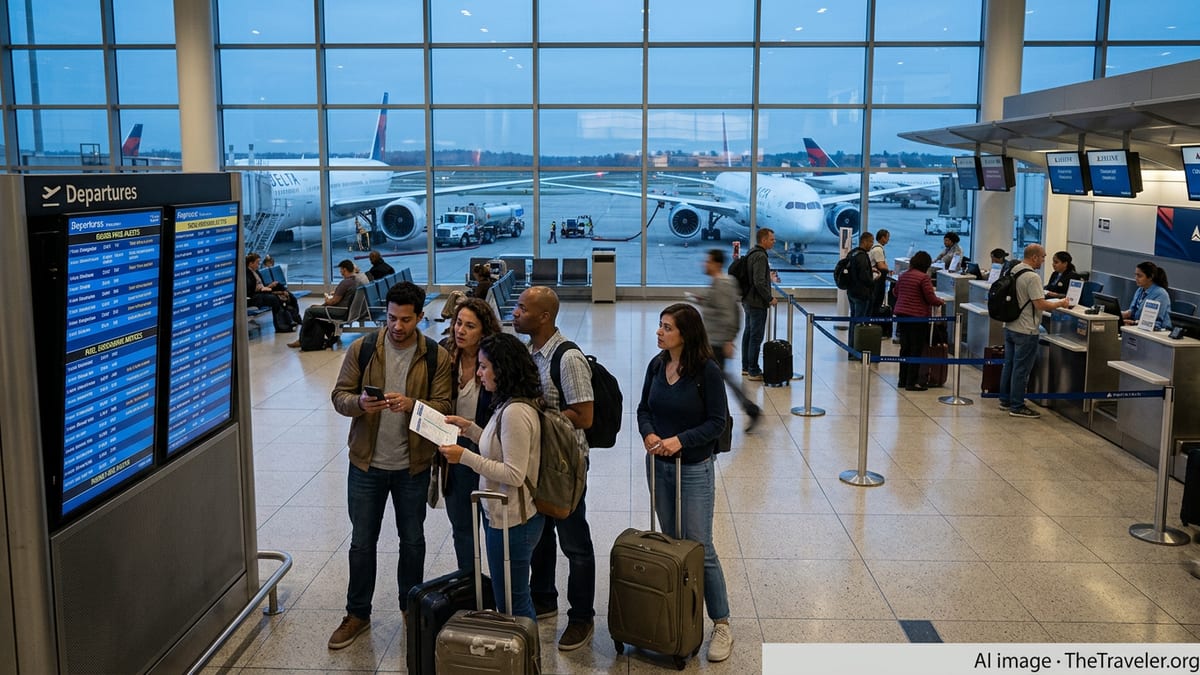
Fuel Shock From the Gulf Ripples Across the Skies
The latest surge in fares is being driven not by demand, but by a supply shock radiating from the Gulf. The war involving Iran, the United States and regional allies has choked traffic through the Strait of Hormuz, a corridor that normally carries around one fifth of the world’s seaborne oil and a significant share of jet fuel. Attacks on refineries and export terminals have added to fears that supply could be curtailed for weeks or months.
In energy markets, the result has been a whiplash rise in prices. Brent crude, the global oil benchmark, has vaulted from the 70 dollar range earlier this year to break above 100 dollars a barrel in recent days, with intraday spikes even higher as traders price in the risk of prolonged disruption. Jet fuel, which is refined from crude, has climbed even faster, with some analysts warning that wholesale prices have already outstripped the assumptions airlines built into their 2026 budgets.
For carriers, this is a direct hit to their bottom line. Fuel is typically the single largest or second largest operating cost for an airline, often accounting for 25 to 35 percent of total expenses in normal times. A double digit percentage jump in jet fuel can quickly wipe out thin profit margins that the industry had only just begun to rebuild after the pandemic and a patchy 2025 recovery.
Investors have taken notice. Airline stocks in the United States and Europe have fallen sharply over the past week as markets reassess the sector’s earnings outlook in light of higher fuel bills, rising insurance costs and the prospect of demand softening if ticket prices climb too far, too fast.
How Airlines Are Passing Costs to Passengers
With fuel bills rising daily, airlines are moving quickly to stem the financial damage. Some full service carriers have begun reintroducing or increasing explicit fuel surcharges on long haul tickets, a tactic widely used during previous oil shocks. Others are opting for across the board fare increases, quietly lifting base prices on popular routes as new schedules are loaded into their reservation systems.
Early signs of these changes are already visible. Industry analysts report average advertised fares ticking higher on transatlantic and transpacific routes for departures from late March onward, with premium cabins seeing some of the steepest increases. In Asia, regulators in countries such as Thailand have warned that airlines may have little choice but to raise domestic and regional fares if jet fuel prices remain elevated, even as authorities urge suppliers not to hike prices beyond what global markets justify.
Budget airlines, whose business models rely on low fares and high volumes, face a particularly delicate balancing act. Many of these carriers hedge a portion of their fuel needs in advance, locking in prices through financial contracts. That provides short term protection, but only up to a point. As hedges roll off and new contracts are struck at higher market levels, low cost airlines may be forced to trim schedules, raise ancillary fees or accept slimmer margins rather than risk alienating their notoriously price sensitive customer base.
Legacy carriers with stronger balance sheets and a higher proportion of business travelers may prove more resilient in the near term. They can often pass on a greater share of fuel cost increases to corporate clients and high yield leisure passengers. Yet even they are warning that if oil remains above 100 dollars a barrel for an extended period, more aggressive pricing moves and capacity reductions could follow.
Which Routes and Travelers Will Feel It Most
The impact on travelers will not be evenly distributed. Routes that normally traverse or rely heavily on Middle Eastern airspace and fuel supplies are among the most exposed. Many airlines have already rerouted flights away from conflict zones and high risk air corridors, adding extra time and distance to journeys between Europe, Asia and the Indian subcontinent. Longer flight times mean more fuel burn per trip, further compounding the effect of higher prices per gallon.
Airports in the Gulf and surrounding regions, long prized as efficient refueling and transfer hubs, are also facing operational challenges. Some carriers are loading extra fuel at origin or alternative hubs to reduce their reliance on supplies near the conflict zone. That strategy increases aircraft weight and operating costs, which can translate into additional pressure on fares, particularly in premium long haul markets where fuel consumption per seat is highest.
Leisure travelers on discretionary trips are likely to be the most sensitive to price changes. Early booking data suggest that some holidaymakers are trading down from long haul to medium haul destinations, or shortening trip lengths to keep total costs in check. By contrast, essential travel, including family visits and business trips tied to critical projects, tends to be more resilient, though even corporate travel managers are beginning to flag higher air budgets for the second and third quarters of 2026.
Within regions, domestic and short haul routes served by multiple competitors may see smaller immediate increases as airlines jockey for market share. Over time, however, sustained fuel inflation tends to seep into prices across the network, especially if carriers respond by trimming capacity or consolidating frequencies on marginal routes.
What You Can Do Now to Protect Your Travel Budget
For travelers, the most important takeaway is that airfares are now under upward pressure worldwide, and that volatility is likely to persist as long as the Middle East conflict disrupts energy markets. That does not mean every ticket will double in price overnight, but it does make timing and flexibility more critical than they were just a few months ago.
Travel planners advise locking in near term trips sooner rather than later, particularly for peak travel windows such as summer holidays and major events when demand is already strong. Many carriers still offer at least some degree of date change flexibility on standard economy tickets, giving travelers a measure of protection if prices fall back or itineraries need adjusting. Watching fares over several days and being prepared to buy when prices dip can also help.
Routing choices may become more important as airlines rework their networks. Connecting through hubs that are less exposed to Middle Eastern fuel and airspace risk, such as those in Western Europe, North Asia or North America, can sometimes yield more stable pricing than itineraries that rely on the Gulf super hubs. However, availability and competition on specific city pairs will still be the main drivers of what you pay.
Travelers should also factor in the possibility of schedule changes. As carriers respond to higher operating costs, some marginal routes may see reduced frequencies or seasonal suspensions. Building extra time into connections, keeping a close eye on airline notifications, and considering travel insurance that covers disruptions tied to geopolitical events can all help minimize stress if plans are disrupted by the shifting situation.
How Long Could Higher Airfares Last
Forecasting how long this fuel driven fare shock will last is difficult, because it depends heavily on the trajectory of the conflict and the security of key shipping lanes. Analysts note that previous Middle Eastern crises have produced sharp but sometimes short lived spikes in energy prices when diplomatic efforts or coordinated releases from strategic petroleum reserves helped reassure markets.
This time, however, the combination of direct attacks on energy infrastructure, restricted access to the Strait of Hormuz and heightened war risk premiums on tankers has led some forecasters to warn that oil could remain in triple digit territory for weeks or even months. If that happens, airlines will face sustained pressure not only from fuel bills, but also from softer demand as consumers feel the broader inflationary effects of higher energy costs on everything from utilities to food.
Industry bodies had expected global airlines to post modest profits in 2026, with average net margins under 4 percent even before the latest crisis. That leaves little room for error. Prolonged fuel inflation would likely force a fresh round of cost cutting, fleet and route optimization, and potentially higher fees for services that remain free on some carriers today.
For now, travelers can expect a more expensive and less predictable air travel environment than they faced earlier this year. While fares will still fluctuate with seasonal patterns and competitive dynamics, the direction of travel for prices is upward as long as jet fuel remains at or near record highs. Anyone planning major trips in 2026 would be wise to watch the oil market almost as closely as the departure boards.