

More news on this day
Global travelers are being hit with a fresh wave of price shocks as the war involving Iran, the United States and Israel drives oil and fuel costs sharply higher, pushing up airfares, hotel rates and on-the-ground transportation expenses across key routes worldwide.
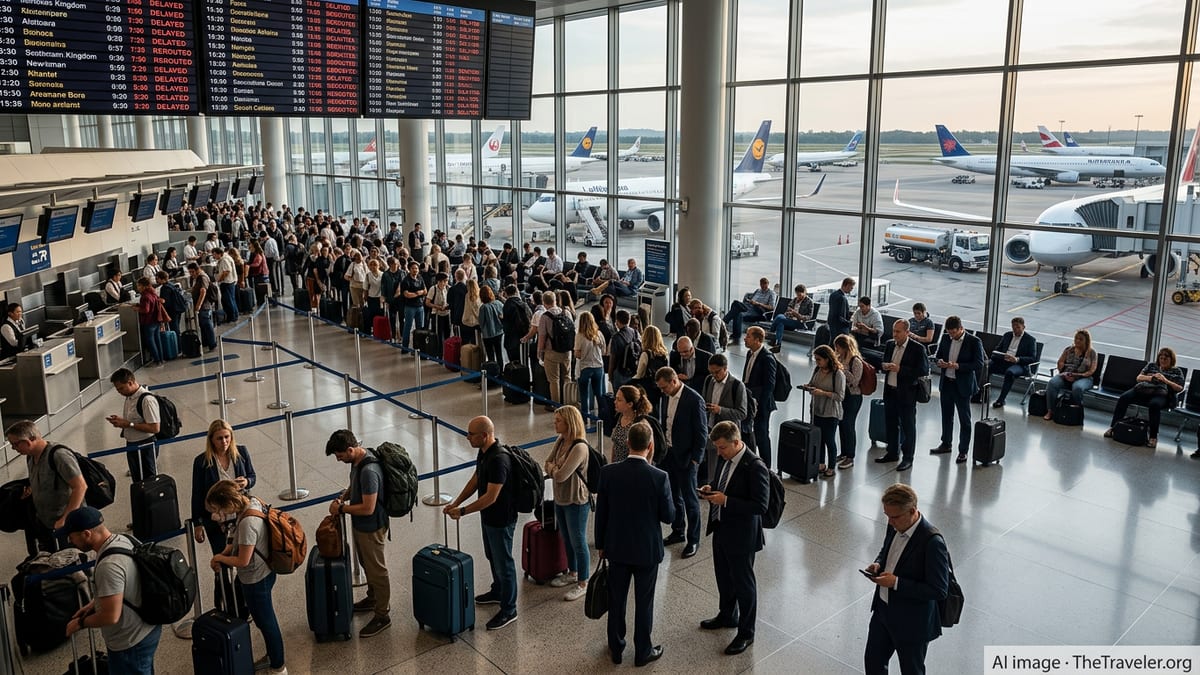
Oil Shock From Middle East War Hits Travel Budgets Worldwide
The latest escalation of conflict centered on Iran has quickly spilled over into the energy market, with crude prices jumping more than 10 percent in early March after tanker traffic through the Strait of Hormuz was severely disrupted and key refining and export facilities were damaged. Analysts warn that even a relatively short disruption in the Gulf, through which roughly a fifth of the world’s oil normally flows, can reverberate across every corner of the travel economy.
Benchmark U.S. crude has climbed into the mid 70 dollar range per barrel in recent days, while Brent crude has moved higher as markets price in the risk of prolonged interruptions to Middle East output and shipping. Jet fuel and marine fuel prices have followed, and the resulting spike in energy costs is feeding into everything from airline operating budgets to hotel utility bills and airport ground handling charges.
For travelers planning spring and summer trips, the timing could hardly be worse. After several years of elevated prices linked to post-pandemic demand and earlier regional conflicts, the new oil shock threatens to extend high travel costs into yet another peak season, squeezing both leisure and corporate budgets.
Airfares Surge as Airlines Reroute and Fuel Bills Climb
Airlines have been the first and most visible part of the travel industry to react. Carriers in Europe, Asia and North America are rapidly recalculating routes to avoid Iranian airspace and stretches of the Gulf region, adding flight time and fuel burn on many long-haul services between Europe, the Middle East, Africa and Asia. Industry data show that more than twenty thousand flights to, from or through the broader Middle East have already been canceled since the start of the war, sharply reducing seat capacity on some of the world’s busiest corridors.
Executives at major global airlines are warning that higher fares are now inevitable if jet fuel prices remain elevated. United Airlines’ chief executive told investors this week that American travelers should expect ticket prices to rise as higher fuel bills filter through to the booking screen, while travel industry analysts say many airlines have limited ability to absorb the increase after years of thin margins and volatile demand.
Early evidence from key markets suggests the impact is already being felt. In Europe, some fares on routes normally served via Gulf hubs have more than quadrupled compared with earlier in the year as passengers scramble for alternative connections and remaining seats on unaffected airlines. Budget carriers are also trimming capacity or adding fuel surcharges on longer routes, particularly to South and Southeast Asia, where detours around affected airspace are lengthening journey times.
Hotels and Local Transportation Face Mounting Cost Pressures
The oil shock is not confined to the skies. Hotels, resorts and other accommodation providers across the Middle East and in major long-haul destinations are bracing for higher operating costs as fuel-driven inflation ripples through electricity prices, food distribution, and staff transport. Consultancy forecasts for 2026 had already projected moderate increases in global room rates; the latest conflict is now expected to push those projections higher, particularly in regions dependent on energy imports.
In gateway cities that rely heavily on international arrivals, revenue managers report a delicate balancing act. Many properties are attempting to hold base room rates steady in the very short term, while adding surcharges to services such as airport shuttles, private transfers and excursions that are directly tied to fuel consumption. Others are quietly raising average daily rates on peak dates or high-demand room categories to offset steeper utility and supply bills.
Travelers are also encountering rising costs once they land. In the United States and Europe, gasoline prices have turned higher again just as the driving season approaches, lifting the cost of road trips and rental car bookings. Taxi and ride-hailing operators in several major cities have announced fuel-linked fare adjustments, while coach operators and tour companies are reviewing their pricing for multi-day itineraries that involve significant mileage.
Middle East Tourism Stalls as Global Networks Feel the Strain
The immediate travel fallout is most visible within the Middle East itself. Tourism agencies and economic forecasters now warn that visitor numbers to key Gulf destinations could fall by as much as a quarter or more in 2026 compared with earlier expectations, wiping out tens of billions of dollars in projected spending. Flagship hubs such as Dubai, Doha and Abu Dhabi, which rely on their role as connecting points between Europe, Africa and Asia, are facing a sharp drop in transit traffic as airlines cancel or reroute services.
Empty hotel lobbies, idled tour buses and cruise itinerary changes are becoming more common across the region. For many operators, the challenge is twofold: not only are fewer travelers arriving, but those who do make the journey are often facing higher costs and shorter stays as they try to contain their budgets. This double hit is prompting some hotel groups and destination marketing organizations to pivot toward domestic and regional visitors, though that shift is unlikely to fully replace lost long-haul demand.
Because Middle East carriers play an outsized role in global aviation networks, the disruption is rippling far beyond the region’s borders. Routes between Europe and Asia that typically connect through Gulf mega-hubs are being restructured via alternative gateways, adding hours to journey times and concentrating demand on a narrower set of flights. That, in turn, is putting upward pressure on fares even for travelers whose itineraries do not include the Middle East.
What Travelers Can Expect in the Coming Weeks
Industry experts caution that the trajectory of travel prices now depends heavily on how long the conflict drags on and whether shipping and airspace restrictions tighten or begin to ease. If crude prices stabilize in the coming weeks, airlines and hotels may limit increases to targeted surcharges and selective fare hikes. But if oil remains elevated, or if further attacks disrupt additional facilities or shipping lanes, sustained cost pressures could become a defining feature of the 2026 travel season.
For individual travelers, that means planning and flexibility have become more important than ever. Travel consultants advise locking in flexible tickets and refundable hotel rates where possible, watching for fuel surcharges added after booking, and allowing extra time for connections on itineraries that previously relied on Middle East hubs. Shifting travel dates by a few days, choosing secondary airports, or considering alternative destinations with stronger local transport networks can also help mitigate some of the price impact.
Governments and regulators are monitoring the situation closely, particularly in markets where household budgets are already stretched by years of higher inflation. While consumer protection rules limit how suddenly some surcharges can be imposed, there is little appetite for direct intervention in pricing as long as safety and capacity constraints remain the primary drivers. For now, travelers face a more expensive and less predictable landscape, shaped as much by geopolitics and energy markets as by traditional supply and demand.