

More news on this day
Australian Eurovision fans heading to Sweden this May are confronting a maze of rerouted flights, longer travel times and sharply higher fares as the escalating conflict in the Middle East chokes key air corridors between Australia and Europe.
Get the latest news straight to your inbox!
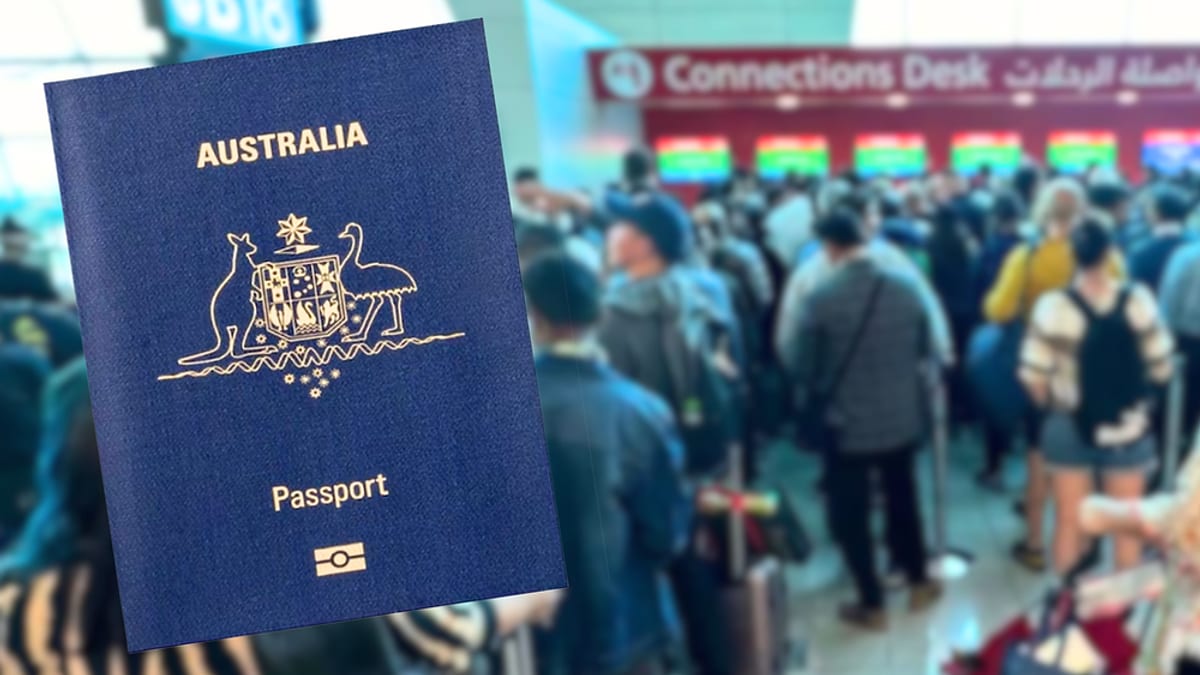
Closed Airspace Hits Australia–Europe Links at a Critical Time
The latest escalation in the Israel–Iran conflict has triggered sweeping airspace restrictions across much of the Middle East, severing a central stretch of the traditional “kangaroo route” between Australia and Europe. Publicly available aviation briefings describe closures or severe restrictions affecting skies over Iran, Iraq, Israel, Jordan, Lebanon and several Gulf states, forcing airlines to divert or suspend services along some of their busiest long haul corridors.
Analysis from industry trackers indicates that thousands of flights between Asia and Europe have been cancelled since late February, with many more forced into lengthy detours. For passengers, the disruption translates into extra hours in the air, more complex connections and increased exposure to missed onward links, all of which are particularly acute for Australians who already face some of the world’s longest journeys to Europe.
The timing coincides uncomfortably with the build up to the 2026 Eurovision Song Contest in Malmö, Sweden, which traditionally attracts a dedicated contingent of Australian fans. While Eurovision trips represent a small slice of overall traffic, the event’s fixed dates and tightly packed itineraries leave little room for schedule slippage caused by last minute route changes.
Insurance and government travel advisories in Australia have highlighted the risk of sudden Middle East airspace closures, warning that routings via Gulf hubs can change with little notice. Recent travel alerts also note that policies may limit coverage for delays or cancellations linked to acts of war, increasing the financial exposure for leisure travelers planning long haul journeys to major events in Europe.
Qantas and Partners Reroute as Demand for Europe Surges
Australia’s flag carrier is among the airlines now reshaping their networks in response to the conflict. According to airline scheduling data and route announcements, Qantas has temporarily rerouted its flagship nonstop Perth to London service via Singapore, turning the 17 hour ultra long haul into a two leg journey that skirts troubled airspace over the Middle East.
Recent operational updates reported by aviation industry publications show that Qantas is also adjusting frequencies between Australia and France and redeploying aircraft to maintain capacity on Europe services despite the longer paths now required. These changes are scheduled to roll through from mid April to late July, covering the crucial Eurovision travel window and the start of the northern summer peak.
At the same time, partner and competitor airlines that traditionally carry large numbers of Australians to Europe via the Gulf are contending with suspensions and truncated schedules. Reports from airline news outlets and frequent flyer communities describe Emirates, Qatar Airways and Etihad facing periods of reduced operations or rerouted flights as they navigate fluctuating restrictions across their home region.
For Eurovision fans, the practical effect is a squeeze on the most convenient and affordable itineraries to northern Europe. Seats that would usually flow through Dubai, Doha or Abu Dhabi are now being funneled through alternative hubs such as Singapore, Bangkok, Kuala Lumpur and Hong Kong, concentrating demand on a narrower set of viable corridors from Australia to Europe.
Longer Journeys and Higher Fares for Eurovision Travelers
Air travel analysts tracking the fallout from the conflict report that average fares on Asia–Europe routes have risen by around a quarter since the latest wave of cancellations began, with additional fuel costs and reduced capacity feeding directly into ticket prices. For Australians who often require two or three sectors to reach cities like Copenhagen or Stockholm, those increases are compounding across multiple legs of a single itinerary.
In addition to price hikes, rerouted services are adding two to five hours to many journeys between Australia and Europe, according to aviation data services that model the impact of current detours. For travelers heading to Malmö, that can mean overnight layovers that were not originally planned, early morning arrivals that complicate train connections across Scandinavia, and tighter margins for catching domestic European flights or rail services.
Travel comparison tools and booking platforms show growing interest in alternative routings that bypass the Middle East entirely. Options gaining traction include itineraries via Singapore and other Southeast Asian hubs into major European gateways such as Frankfurt, Amsterdam or Paris, followed by regional connections north to Sweden and Denmark.
Some Australian travelers are also turning to transpacific routings, flying first to the United States and then onward to Europe. While these journeys can be significantly longer in distance, publicly available booking data and online discussions indicate that, in some cases, they now offer more reliable schedules and competitive pricing compared with disrupted routes that depend on Gulf hubs.
Insurance Gaps and Planning Risks Add to the Uncertainty
The evolving situation has also exposed gaps in trip protection for Australians heading to marquee events like Eurovision. Updated advisories from major Australian travel insurers highlight that many policies exclude cover for known events, acts of war or military conflict, particularly once an official alert has been published. Some providers state openly that delays, cancellations or rerouting directly attributable to the Middle East conflict may not be claimable for travelers who purchase policies after certain cut off dates.
Government guidance on Smartraveller continues to list multiple Middle Eastern countries as “do not travel,” and notes that airspace in the region can be closed or restricted at short notice. The advisory language encourages travelers to monitor airline notifications closely and to consider the implications of transiting through high risk areas, even when they do not intend to leave the airport.
For Eurovision fans planning complex multi city European itineraries with non refundable hotels, event tickets and rail passes, the uncertainty around flights introduces additional financial risk. Industry commentators suggest that the safest strategy in the current environment may be to favor flexible airfares and accommodation options, even at a higher upfront cost, to preserve the ability to adjust or abandon plans if routings become unworkable.
Consumer advocates quoted in recent coverage of the aviation fallout have also pointed out that traditional compensation regimes for flight disruptions often do not apply when security considerations or airspace closures are the underlying cause. That leaves many long haul travelers reliant on the goodwill and rebooking policies of individual airlines rather than on robust regulatory protections.
Eurovision Organisers and Local Tourism Brace for Knock-On Effects
While the Eurovision Song Contest itself is expected to proceed as scheduled in Malmö, Swedish and broader European tourism operators are watching the aviation situation closely. Travel market analysts note that Australians, although a minority of total attendees, are high spending visitors who typically combine Eurovision with extended holidays across multiple European countries.
Booking data from online travel agencies suggests that demand from Australia for Sweden and adjoining markets remains resilient, but has shifted strongly toward routings that avoid the Middle East and favor Asian or transatlantic connections. This shift is altering traditional arrival patterns, potentially increasing pressure on key hubs such as Singapore and major European gateways at a time when airlines are already operating with thinner scheduling margins.
Regional tourism boards and accommodation providers across Scandinavia are preparing for a more volatile arrival profile than in previous years, with greater potential for last minute changes and no shows linked to disrupted long haul flights. Travel industry commentary indicates that flexible cancellation policies and close communication with international partners will be important in managing visitor flows during the contest period.
For many Australian Eurovision fans, the combination of geopolitical tension, fragile air corridors and rising fares has transformed what is usually a celebratory pilgrimage into a calculated logistical challenge. As the conflict in the Middle East continues to evolve, their ability to reach the grand final stage in Malmö now depends as much on shifting airspace maps and airline rerouting decisions as it does on securing a coveted ticket to the show.