

More news on this day
Escalating conflict across the Middle East is rapidly reshaping global tourism, as a surge in oil and jet fuel prices pushes up the cost of flights, local transport and everyday travel spending for Americans and Europeans heading to destinations from Canada and Mexico to Spain, Italy and Greece.
Get the latest news straight to your inbox!
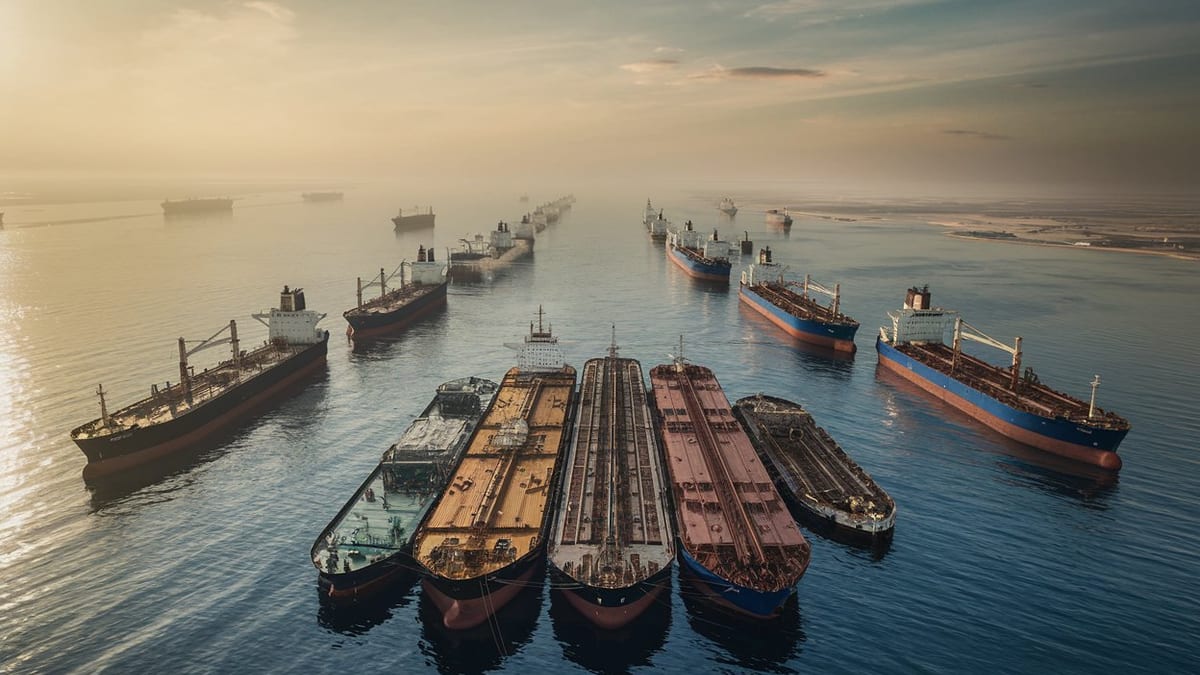
Image by Travel And Tour World
Oil Shock Ripples Through Global Travel Budgets
The latest phase of the Iran war and associated attacks on critical energy infrastructure around the Strait of Hormuz have pushed Brent crude above 100 dollars a barrel, with spot prices briefly spiking much higher as traders price in sustained supply disruption. Analysts note that about a fifth of globally traded oil typically moves through the narrow waterway, leaving airlines and transport operators exposed to higher fuel bills almost overnight.
Reports from international energy monitors indicate that refinery attacks in Saudi Arabia and Iran, combined with heightened risks for tankers in the Gulf, have tightened supplies of both crude and refined products. That pressure is feeding quickly into the cost of jet fuel and diesel, the lifeblood of aviation, buses, ferries and delivery fleets that underpin modern tourism economies.
Publicly available pricing data in the United States already show gasoline and home-heating oil at their highest levels since 2023, underscoring how fast the energy shock is moving through consumer markets. For travelers, the same dynamics are translating into higher airfares, more expensive airport transfers and rising costs for everything from food deliveries to excursions that rely on road transport.
Industry economists warn that if shipping disruptions and refinery outages in the Gulf persist, transport-related inflation could remain elevated through the key summer travel months. That would squeeze budgets for outbound US and European tourists just as many had hoped for a more affordable post-pandemic travel season.
Airlines Hike Fares as Jet Fuel Costs Jump
Major US carriers have acknowledged in recent stock filings and earnings guidance that jet fuel expenses have jumped by hundreds of millions of dollars since late February, reversing much of the relief they enjoyed in 2025 when fuel prices drifted lower. American, European and Canadian airlines have responded with a mix of fuel surcharges, higher base fares and tighter capacity on certain long-haul routes.
Data released by the International Air Transport Association in early March show global passenger demand still growing, but with a new note of caution about fuel costs and geopolitical risks. While IATA had previously projected only modest nominal fare increases in 2026, the sudden spike in energy prices has upended those assumptions on routes most exposed to longer flight times or diversions around closed Middle Eastern airspace.
In practice, travelers booking spring and early summer trips between North America and Europe are encountering airfares that in many cases are 10 to 20 percent higher than comparable itineraries last year, especially on peak dates and nonstop routes. Discount carriers that operate on thin margins are proving particularly sensitive to fuel volatility, cutting promotional offers and adding ancillary fees for bags and seat selection.
Travel analysts point out that even when headline fares appear stable, airlines may trim frequencies, reduce off-peak services or swap in older, less efficient aircraft that were previously parked, all of which can subtly raise the effective cost of travel. Fewer available seats also mean popular routes into Mediterranean destinations such as Spain, Italy and Greece are selling out earlier, limiting options for price-conscious tourists.
Local Transport and Dining Costs Climb in Tourist Hotspots
Higher fuel prices are not only hitting travelers in the air. In cities across Europe and North America, taxi operators, ride-hailing platforms and intercity bus companies are adjusting tariffs to reflect steeper diesel and gasoline costs. Many regional transport regulators allow meter rates or fuel surcharges to be reviewed when pump prices cross certain thresholds, and that process is now underway in several jurisdictions.
Reports from Mediterranean destinations indicate that airport taxi rides, private transfers to resort areas and popular intercity coach routes have become noticeably more expensive in recent weeks. In Greece and Spain, industry associations for small transport providers are warning that without swift fare adjustments, some operators may reduce services ahead of the summer, particularly on low-density rural routes relied upon by tourists.
Restaurants are also feeling the strain. Higher transport and energy costs are feeding into food deliveries, refrigeration and utility bills, while global agricultural markets respond to more expensive fuel and fertilizers. In practice, travelers are beginning to encounter modest but widespread menu price increases in major European capitals and coastal resorts, especially in venues heavily dependent on imported ingredients and frequent deliveries.
For American visitors to popular destinations such as Mexico and European beach hotspots, this combination of higher local transport fares and creeping restaurant price inflation can add hundreds of dollars to the cost of a weeklong trip. Travel budget planners suggest that midrange tourists are the most vulnerable, as they are less able to absorb price jumps without cutting nights, downgrading lodging or skipping paid excursions.
Tourism Flows Shift as Travelers Rethink Destinations
While the Middle East itself is seeing sharp declines in leisure arrivals due to security concerns and widespread flight cancellations, the knock-on effects are being felt across the broader tourism map. European markets that traditionally rely on a mix of intra-EU and long-haul visitors from North America and the Gulf are watching booking patterns closely as travelers reassess budgets.
Recent coverage from southern Europe indicates that early-summer reservations for Greece and nearby destinations like Cyprus have slowed, with some hotels reporting higher-than-usual cancellation rates among visitors worried about both security and escalating travel costs. Industry groups in these countries stress that many properties still have healthy forward bookings, but acknowledge that the war has injected a new layer of uncertainty.
At the same time, destinations perceived as safer or more affordable from a fuel-cost perspective are reporting more resilient demand. Tourism boards in Canada and Mexico, for example, benefit from their proximity to the United States, which keeps flight times shorter and fuel surcharges relatively lower on many routes compared with transatlantic travel. Within Europe, rail-connected city breaks may gain favor as an alternative to long-haul beach holidays.
Travel platforms report a growing interest in flexible bookings, refundable fares and insurance products that protect against sudden price spikes or route disruptions. Vacation planners say some Americans and Europeans are choosing to travel closer to home, shorten trips or visit fewer countries per itinerary in order to keep overall costs under control.
Governments and Industry Weigh Responses to Tourism Strain
Publicly available information shows that governments on both sides of the Atlantic are monitoring the impact of energy-driven inflation on travel and tourism, a sector that supports millions of jobs in airlines, hospitality, food service and ground transport. Policy debates are emerging around whether to extend or reintroduce targeted tax relief on fuel, adjust airport charges, or provide temporary support to small transport and hospitality businesses in highly exposed regions.
In Europe, national discussions on fuel taxation and consumer relief measures are overlapping with longer term climate objectives, as regulators balance the need to reduce emissions with pressure from voters facing rising travel costs. Some governments that had previously scheduled increases in aviation or road-fuel taxes are now reconsidering timelines or offsetting measures for vulnerable households and small enterprises.
Industry groups representing airlines, hotels and tour operators in the United States, Canada, the United Kingdom, Germany, Spain and Italy are emphasizing the importance of stable and predictable energy supplies for the travel economy. Statements from these associations highlight the risk that sustained price volatility could dampen discretionary travel spending just as demand had finally recovered from the pandemic slump.
Analysts suggest that if oil and jet fuel prices remain elevated into the second half of 2026, more aggressive industry responses may follow, including capacity cuts on marginal routes, consolidation among smaller carriers and renewed lobbying for coordinated international efforts to stabilize maritime security in key shipping lanes. For travelers planning trips in the months ahead, the new reality is clear: the Middle East crisis is reaching far beyond the region, reshaping the cost and calculus of global tourism.