

More news on this day
American travelers booking spring and summer getaways are being hit with sticker shock as airfares climb in the wake of surging oil prices and flight disruptions linked to the escalating conflict in the Middle East.
Get the latest news straight to your inbox!
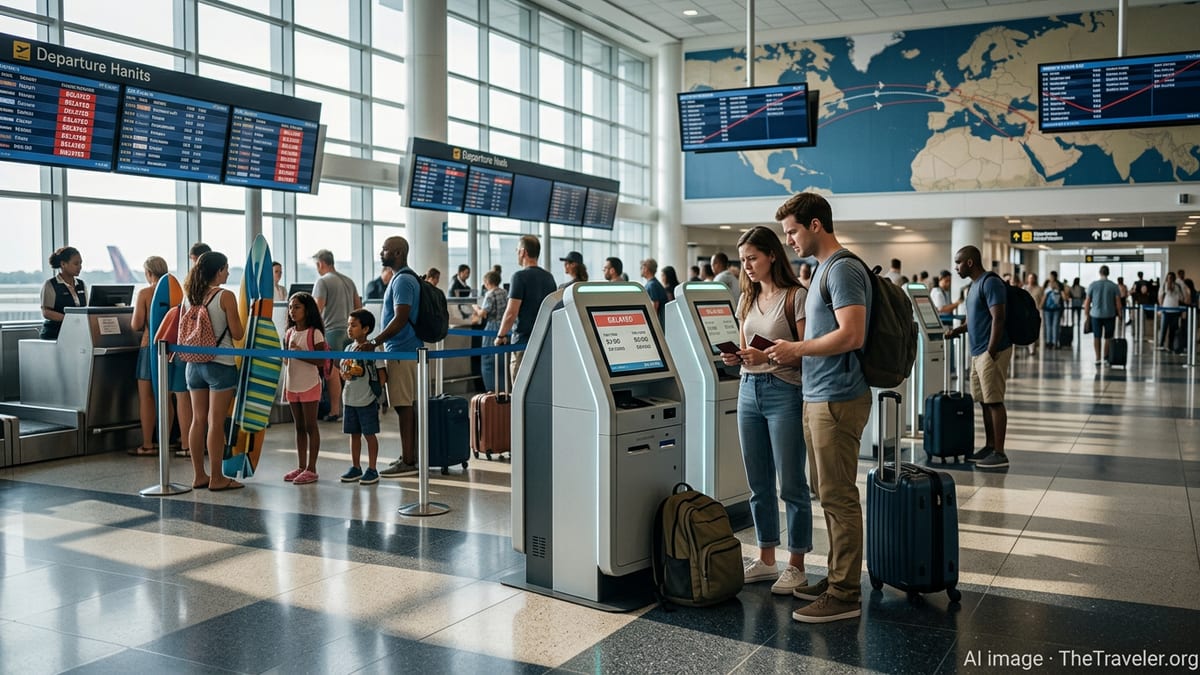
War in Iran Pushes Oil and Jet Fuel Costs Sharply Higher
The renewed conflict centered on Iran is quickly reshaping the economics of global travel. Missile strikes and retaliatory attacks across the region have disrupted exports through the Strait of Hormuz, a critical artery for the world’s oil trade. Crude prices have vaulted back above 100 dollars per barrel for the first time in years, reviving fears of a broader inflation spike just as consumers were hoping for relief.
Higher crude prices are feeding almost immediately into jet fuel markets. Industry data from price agencies and energy analysts show jet fuel benchmarks in key hubs such as northwest Europe and Asia jumping to multi year highs, with traders warning of tight supplies if the conflict drags on. For airlines that operate on thin margins, fuel is typically the single largest operating cost, accounting for up to a third of total expenses on long haul routes.
The International Air Transport Association had forecast modest profitability for global carriers in 2026, but the sudden fuel shock is testing those assumptions. Analysts now warn that if oil remains elevated or moves higher, airlines will have little choice but to keep passing the added costs on to passengers, especially on discretionary leisure routes where demand has roared back since the pandemic.
Rerouting Around Closed Airspace Adds Time and Cost
The price impact is not just about fuel. Airspace closures and security restrictions over Iran, Iraq and parts of the Gulf are forcing airlines to redesign flight paths across a broad swath of the globe. Carriers that once relied on direct corridors over the Middle East now face lengthy detours south over Saudi Arabia or wide arcs via the Caucasus or the eastern Mediterranean, adding significant time in the air.
Aviation tracking services report that some long haul flights have grown by 90 to 120 minutes each way as they skirt conflict zones. That extension translates into thousands of extra dollars in fuel burn and crew costs for every rotation. Multiplied across entire fleets and schedules, the financial hit quickly runs into the millions, a burden that shows up in higher ticket prices and reduced promotional fares.
Airports in major Gulf hubs, which usually serve as critical connecting points between Europe, Africa and Asia, have also faced temporary shutdowns or capacity cuts because of nearby strikes and airspace risks. The disruption has broken many of the ultra efficient one stop itineraries that kept global fares competitive. Travelers who once relied on smooth overnight connections through the region are increasingly being rebooked onto multi leg journeys via Europe or North America, often at a premium.
Transatlantic and Sun Destinations Feel the Squeeze
For U.S. vacationers, the immediate pain is most evident on transatlantic flights and long haul sunshine routes, where fuel and routing changes matter most. Booking data from online travel agencies and fare trackers in early March show noticeable increases in economy class prices to popular European capitals, Mediterranean beach destinations and Indian Ocean islands that depend on long haul access.
In some cases, the effect is indirect but powerful. As Asia to Europe and Europe to Africa corridors grow more expensive due to detours around the Gulf, aircraft and crews are being shifted to priority business routes, squeezing capacity available for leisure oriented flights from the United States. With fewer seats and strong demand heading into Easter and the northern hemisphere summer, airlines have little incentive to discount.
European consumer outlets are already warning that there are virtually no destinations where Easter 2026 fares remain untouched by the Iran war’s energy shock. Travel analysts say American tourists eyeing peak season trips to Italy, Greece, Spain or coastal France should prepare for higher base fares, smaller windows for sales and tighter availability on the most desirable departure days and times.
Stranded Passengers, New Fees and Limited Flexibility
The volatility is also showing up in an increase in last minute disruptions. As airlines juggle rerouted aircraft, crew duty limits and changing risk assessments, cancellations and missed connections have stranded hundreds of thousands of passengers across Europe, South Asia and parts of East Africa. While most of the operational chaos is currently centered on routes that directly touch the Middle East, ripple effects are reaching U.S. gateways when aircraft and crews fail to arrive on schedule.
Travel rights rules in Europe and the United Kingdom offer some protection to passengers departing from those regions, including refunds and in certain cases compensation for cancellations. However, many American travelers booking through U.S. carriers or ticketing sites may find they have fewer automatic safeguards, especially when disruptions are labeled as security or force majeure events rather than routine operational issues.
At the same time, some airlines and intermediaries have begun adding temporary surcharges or adjusting fuel fees, particularly on international segments. While base fares advertised in search results may still appear competitive, taxes and carrier imposed charges displayed at checkout can be noticeably higher than they were just weeks ago. Industry observers caution that if the crisis in the Gulf continues, such surcharges are more likely to expand than to be rolled back quickly.
What U.S. Tourists Can Do Now
Travel planners say that while Americans cannot escape the broader cost surge, they can limit the shock. One strategy is to lock in fares early for essential summer trips, as many airlines allow at least basic date changes for a fee and some credit cards offer built in trip interruption coverage. Waiting for a last minute bargain on long haul flights is far riskier when fuel prices are volatile and capacity is being shuffled day to day.
Another option is to look for itineraries that avoid the most heavily affected corridors. Nonstop or one stop flights between the United States and western Europe that remain entirely in NATO controlled airspace are generally less disrupted than itineraries that would normally cross the Gulf on the way to South Asia or East Africa. While prices are still elevated, the operational risk of sudden rerouting can be lower.
Budget conscious travelers may also pivot toward closer to home destinations that require less fuel intensive flying. Caribbean islands, Mexican beach resorts and domestic U.S. hotspots from Florida to Hawaii are not immune to global oil shocks, but shorter flight times and more competition on major routes can soften the blow. Even so, analysts warn that as long as the conflict in Iran threatens key energy and shipping lanes, the era of ultra cheap international tickets is likely to remain on hold.