

More news on this day
Escalating conflict across the Middle East has triggered one of the worst episodes of aviation turmoil since the pandemic, as mass airspace closures strand hundreds of thousands of passengers, roil airline stocks and raise uncomfortable questions about the resilience of global travel routes built around the Gulf.
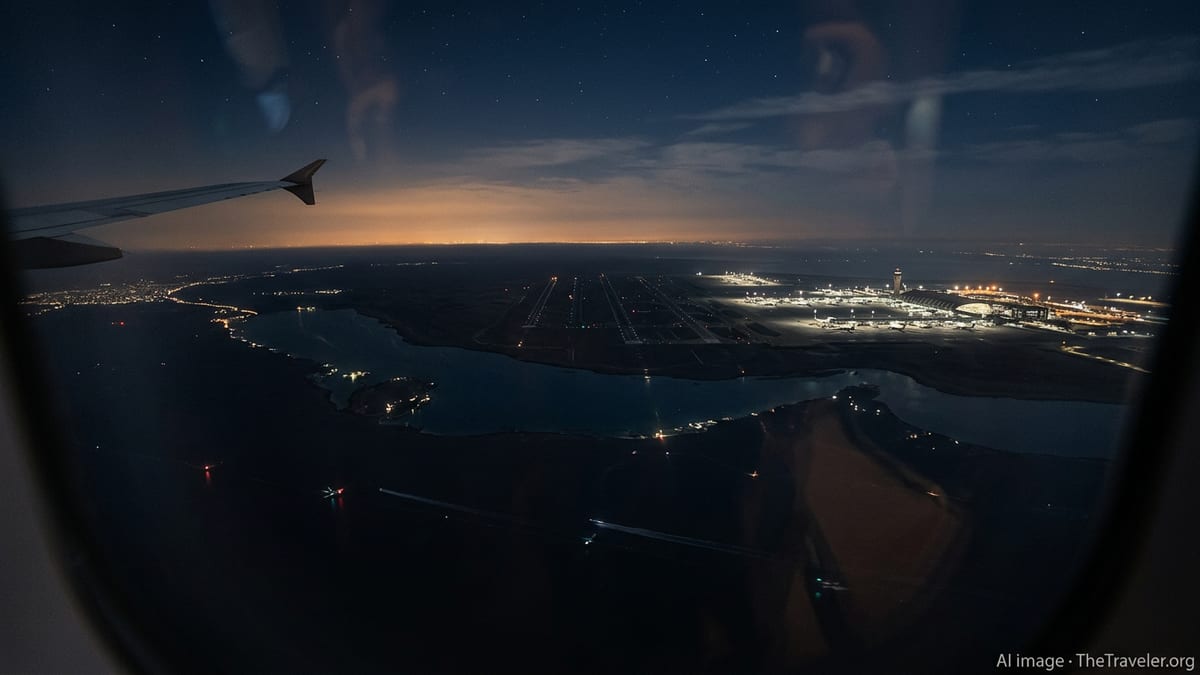
Airspace Lockdowns Paralyze a Critical Global Hub
Since coordinated US and Israeli strikes on Iran on 28 February and subsequent retaliatory attacks, large swathes of airspace over Iran, Iraq, Israel, Kuwait, Bahrain, Qatar and parts of the United Arab Emirates have been closed or severely restricted. Commercial skies that normally hum with long-haul traffic between Europe, Africa and Asia have thinned to near silence, according to flight-tracking data.
Gulf megahubs such as Dubai, Abu Dhabi and Doha, which collectively handle tens of thousands of connecting passengers each day, have borne the brunt. Industry analytics firms estimate that more than 12,000 flights involving major Middle Eastern airports were cancelled or severely disrupted in the first few days of the crisis, with numbers continuing to climb as airlines extend suspensions.
For travelers, the immediate impact has been stark. Hundreds of thousands of tourists, business travelers, migrant workers and religious pilgrims have been left stranded in airports, hotels and even aboard cruise ships waiting for evacuation or rerouted connections. With air corridors through the region effectively severed, journeys between Europe and much of Asia have become longer, costlier and in many cases impossible in the short term.
While limited evacuation and repatriation flights have begun operating from the United Arab Emirates and some neighboring countries, normal scheduled services remain largely frozen. Carriers are warning that even when restrictions ease, backlogs and aircraft displacement will continue to snarl global networks for weeks.
Stocks Whipsaw as Investors Reprice Airline Risk
The sudden shutdown of a key aviation crossroads has sent airline shares on a volatile ride. Initial trading sessions after the first strikes saw broad-based selloffs as investors braced for lost revenue, higher fuel and insurance costs and the prospect of more travelers postponing trips into or over the region.
European network carriers with heavy exposure to Asia and the Middle East corridor were among the hardest hit, as investors weighed the cost of detours around conflict zones and the temporary loss of lucrative Gulf partnerships and codeshares. US and Asian airlines also suffered as markets digested the implications of longer routings and weaker demand on connecting itineraries.
The picture has been more complex for Gulf-based carriers. In the immediate aftermath, operators such as Emirates, Qatar Airways and Etihad suspended most passenger services, yet some regional airline-linked stocks and airport operators later clawed back losses as traders bet on eventual government support and a rebound once hostilities cool. Speculation that capacity shortages and detours could push up fares on unaffected routes has also drawn opportunistic buyers back into parts of the sector.
Analysts caution, however, that market gains are fragile. The longer airspace remains restricted and the conflict threatens key energy infrastructure, the more likely it becomes that higher fuel prices, risk premiums and weakened consumer confidence will weigh on airline earnings well into the peak northern summer travel season.
Rerouting, Rising Costs and a New Map of the Skies
Behind the stock market swings lies a profound operational challenge. Airlines from Europe and Asia are racing to redraw flight plans that had, for decades, taken advantage of efficient great-circle routes across the Middle East. With direct overflights now unsafe or prohibited, many long-haul services are being rerouted south over the Arabian Sea and around the Horn of Africa or north through Central Asia.
These diversions add significant distance, fuel burn and flight time, straining already tight crew rosters and aircraft utilization. For some carriers, particularly those operating smaller fleets or marginal routes, the extra costs render certain services uneconomical. Several Asian and European airlines have already cancelled flights outright to major Gulf destinations and suspended connections deeper into the region.
The disruption is spilling far beyond passenger travel. The Gulf has become a critical artery for global air cargo, handling everything from electronics and pharmaceuticals to fashion and fresh food. With freighter operations curtailed and bellyhold capacity on passenger jets disappearing, shippers are scrambling for alternatives just as maritime trade through the Red Sea and Strait of Hormuz faces its own security risks.
Industry observers warn that, even if active fighting subsides quickly, the crisis could accelerate a structural reshaping of global flight paths. Carriers may permanently reduce reliance on certain airspaces perceived as high-risk, spreading traffic over longer but more politically stable corridors and potentially raising baseline costs for international travel and trade.
Travelers Confront Uncertainty as Governments Step In
On the ground, the human cost of the aviation freeze is mounting. Long queues snake through departure halls as passengers search for scarce seats on evacuation flights, while others struggle to secure refunds or accommodation as their trips collapse. Social media is awash with images of crowded terminals from Dubai to Doha and reports of travelers sleeping on terminal floors while waiting for information.
Governments have begun organizing chartered flights to extract citizens from affected countries, with consular staff working alongside airlines to prioritize vulnerable travelers such as families with young children and those requiring medical care. At the same time, foreign ministries are tightening travel advisories across the wider region, urging travelers to defer non-essential trips even to destinations not directly hit by strikes.
Travel insurers are fielding a surge in claims, but many policies offer only limited protection in the case of war-related disruption. Passengers are discovering that coverage often hinges on whether their home government has issued a formal advisory against travel to a specific destination, leaving some bearing the full cost of cancelled itineraries.
For now, aviation regulators and airline industry bodies are focused on managing the immediate crisis and preserving safety. Yet as travelers weigh whether to board detoured flights that skirt active conflict zones, consumer confidence in the predictability of long-haul travel is being tested in ways not seen since early 2020.
Is This the Beginning of a New Era for Global Travel?
The question looming over the industry is whether the current chaos marks a short-lived shock or the start of a more fragmented era for global mobility. The closure of Middle Eastern airspace follows a series of crises that have already pushed airlines to rethink routing and risk: Russia’s invasion of Ukraine, repeated shutdowns over parts of Africa and the lingering fallout of the pandemic.
Some experts argue that the redundancy built into today’s networks, combined with advances in aircraft range and navigation, will allow airlines to adapt without permanently dampening travel demand. They point to the rapid rebound of passenger numbers after previous geopolitical shocks as evidence that appetite for international trips remains resilient once safety concerns abate.
Others see a deeper shift under way. If conflicts in key transit regions prove prolonged, hubs that flourished by virtue of their geographic position could lose share to airports in more politically stable countries, even if they are less ideally located on the map. Travelers and corporate travel managers may start favoring routings that avoid certain corridors altogether, reshaping alliance strategies and investment plans for years to come.
For now, the Middle East flight chaos stands as a stark reminder of how dependent global travel has become on a handful of strategic chokepoints. Whether this episode ultimately speeds up diversification and hardens the industry against future shocks, or heralds a period of more expensive and less convenient international flying, will depend on how quickly the region’s skies can safely reopen.