

More news on this day
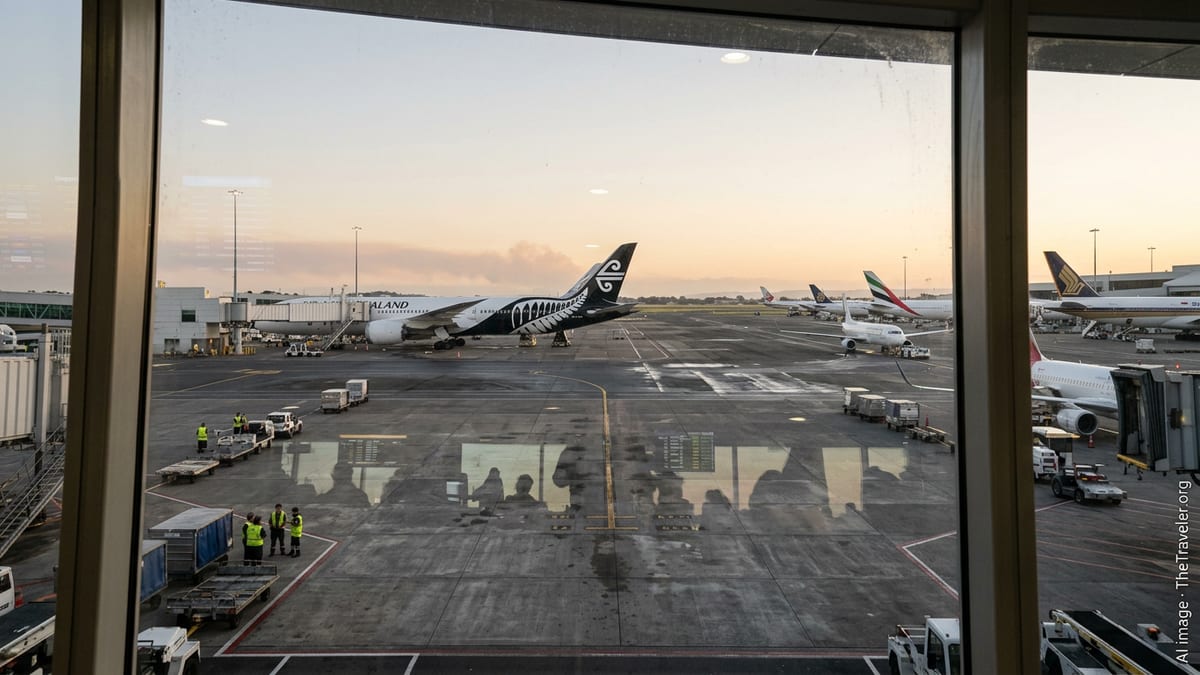
Air New Zealand passengers bound for Europe and the Middle East are facing sweeping disruptions and rising fares as escalating conflict across the region forces airlines worldwide to cut routes, reroute aircraft and absorb a fresh spike in fuel costs.
Get the latest news straight to your inbox!
New Conflict, New Shockwaves for Long-Haul Travel
The latest round of US and Israeli strikes on Iran, which began on February 28, has triggered extensive airspace closures across Iran, Iraq, Israel and parts of the Gulf, abruptly severing some of the world’s busiest aviation corridors. Major hubs such as Dubai, Abu Dhabi and Doha have been operating only limited or repatriation services, while other airports in the region have seen schedules slashed or suspended with little warning.
For travelers from New Zealand, the turmoil has landed on a network already stretched by post‑pandemic capacity constraints. Allianz Partners New Zealand has warned that many Europe and UK itineraries sold to Kiwi travelers rely on connections through Middle Eastern hubs, meaning any closure or restriction there cascades quickly into cancellations and long detours for passengers departing Auckland and Christchurch.
As a result, itineraries that once relied on seamless one‑stop connections to Europe are now being rebooked via more southerly or northern routings, adding hours of extra flying, tighter connection windows and higher operating costs for airlines already grappling with volatile fuel prices.
Air New Zealand Hikes Fares as Costs Climb
Against that backdrop, Air New Zealand has confirmed another round of price increases, citing surging jet fuel costs directly linked to the Middle East war and the knock‑on disruption to global energy markets. The carrier says domestic fares will rise by around 10 New Zealand dollars, short‑haul international by 20 dollars and long‑haul by as much as 90 dollars per ticket.
The move comes on top of what local analysts say was already a steep post‑pandemic climb in international airfares, which have risen at several times the pace of inflation since borders reopened. With fuel accounting for a significant slice of operating costs, and with flights now forced to detour around closed airspace, the airline argues that it has little choice but to pass some of those costs on to passengers.
For New Zealanders eyeing trips to London, Rome or Istanbul, that means higher prices at exactly the moment when travel demand had been rebounding. Consumer advocates are now questioning whether further fare hikes are sustainable, warning that leisure travelers could once again be priced out of long‑haul journeys just as they were beginning to feel accessible.
Rerouting, Reduced Frequencies and Longer Journeys
While Air New Zealand does not operate its own flights into the core Gulf hubs, its codeshare and alliance partners do, and many of those carriers have sharply cut or suspended services in recent days. Airlines across Asia and Europe have reported hundreds of cancellations and delays as they reroute flights around the conflict zone, sometimes adding two to six hours to journeys between Europe and Asia.
Industry data from specialist travel trackers shows that since late February, more than a thousand flights a day have been cancelled or heavily delayed across key hubs as airlines pick their way through a patchwork of airspace closures and government advisories. For travelers starting their trip in Auckland, that disruption typically manifests as missed connections, last‑minute rebookings via secondary hubs or unexpected overnight stays at transit points.
Qantas and Air New Zealand services that rely on onward connections through the Middle East are under particular pressure, with constrained seat availability on alternative routings via Asia or North America. Travel agents report that some Europe‑bound itineraries now involve creative multi‑stop routings, as airlines and passengers alike try to avoid the most volatile parts of the region while still reaching final destinations.
Stranded Passengers and Patchwork Waiver Policies
The turbulence is being felt most acutely by passengers already en route when airspace closures were announced. In recent days, thousands of travelers across Asia and the Gulf have found themselves stranded after their onward segments were cancelled, with many scrambling to secure hotel rooms or alternative flights as airline call centers and airport counters were overwhelmed.
Major global carriers, particularly in North America and Europe, have issued special “Middle East unrest” travel waivers that allow customers to change itineraries without traditional change fees if their plans touch affected countries or hubs. However, these waivers are subject to tight date and routing conditions, and are often updated on short notice, leaving passengers and agents to interpret shifting fine print.
New Zealand travelers are being urged by insurers and travel advisors to monitor airline apps closely, reconfirm flights before heading to the airport and keep meticulous records of additional expenses in case they qualify for reimbursement. Many standard travel insurance policies include exclusions for war‑related events, meaning some costs linked directly to the conflict may not be covered.
What It Means for Future Travel From New Zealand
For Air New Zealand and its customers, the crisis raises uncomfortable questions about the resilience of New Zealand’s long‑haul connectivity in an era of geopolitical volatility. The heavy reliance on a handful of mega‑hubs in the Gulf and Europe has been exposed once again, with a single regional conflict capable of rippling across itineraries that never actually touch the war zone.
Industry analysts say that, in the near term, travelers should expect high fares and limited flexibility to persist, particularly on routes to Europe where alternative paths are already heavily booked. With oil prices elevated and flight times extended by detours, there is little immediate prospect of significant price relief, even if a ceasefire eases some of the aviation restrictions in the weeks ahead.
In the longer term, airlines and regulators may look again at diversifying routing options and strengthening direct links that bypass the most volatile corridors. For now, though, Air New Zealand passengers heading beyond Asia can expect a more complex, costly and uncertain journey, as Middle East turmoil continues to reverberate across global skies.