

Milwaukee often sits in the shadow of Chicago, yet Wisconsin’s largest city offers a relaxed waterfront setting, a serious food-and-beer culture, and a compact downtown that makes it ideal for a long weekend. With thoughtful planning, you can take in Lake Michigan views, world-class art, historic neighborhoods, and plenty of local flavor in just two and a half days.
How to Arrive and Get Around Milwaukee
Milwaukee is easy to reach by air, train, or car, and its small scale means you can see a lot without spending your weekend in transit. General Mitchell International Airport sits about 10 minutes south of downtown by car, and frequent rideshares and taxis make arrival straightforward. Amtrak service links Milwaukee with Chicago in roughly 90 minutes, delivering you directly to the Milwaukee Intermodal Station on the edge of downtown. From there, many hotels and major sights are within a short walk or a quick ride on local transit.
Once you are settled in, one of the most convenient ways to navigate the central city is The Hop streetcar, which runs through downtown, the Historic Third Ward, and the lakefront area. The system remains free to ride, allowing you to hop on and off near restaurants, shops, and attractions without worrying about fares or parking. Schedules can shift with new extensions and seasonal adjustments, so it is wise to confirm current hours shortly before your trip, but service generally runs from early morning into late evening most days.
Milwaukee County Transit System buses cover the broader metro area, including popular neighborhoods like Bay View and the East Side. For short hops and lakefront cruising, bike-share stations and protected paths along the shoreline make cycling an appealing option in warmer months. If you plan to explore breweries scattered across multiple districts or want flexibility for side trips, renting a car for at least one day can be helpful, but for a concentrated weekend focused on downtown and nearby neighborhoods, you can comfortably rely on transit, walking, and rideshares.
Choose lodging based on your priorities. Downtown hotels near the river put you within walking distance of many highlights, while boutique properties in the Third Ward offer a warehouse-loft vibe and quick access to galleries and the Milwaukee Public Market. If you prefer a quieter, residential feel, look for smaller inns on the East Side, where tree-lined streets sit just a few blocks from the bars, cafes, and the shoreline of Lake Michigan.
Friday Afternoon: First Taste of the Lakefront and Downtown
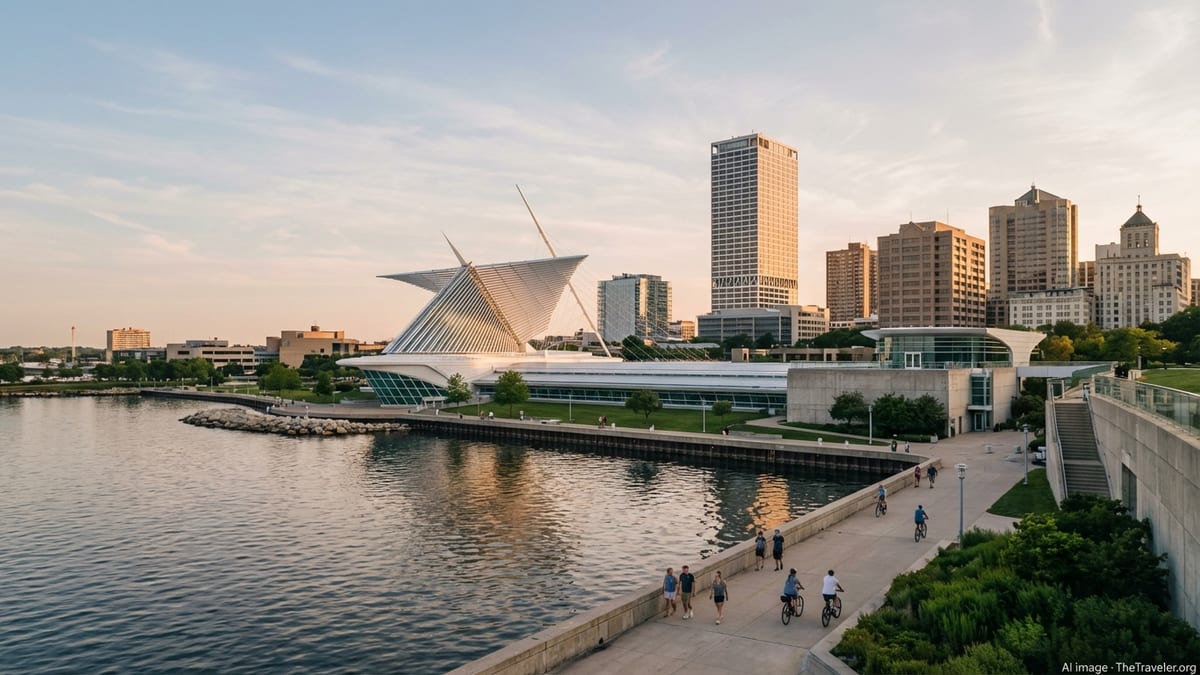
Plan to arrive by midday on Friday to give yourself time to get oriented and enjoy Milwaukee’s defining feature: its Lake Michigan shoreline. After dropping your bags, head to the lakefront parks that stretch north from downtown. A stroll along the paved paths offers wide-open views of the water, sailboats in season, and the city skyline behind you. Even on busy summer days, the lakefront rarely feels overwhelming, and in cooler months the broad, windswept expanses have a stark beauty that rewards a brisk walk.
From the shoreline, make your way toward the Milwaukee Art Museum, one of the city’s signature landmarks. Its striking white, winglike structure designed by Santiago Calatrava has become an icon of the lakefront. Inside, the museum houses an extensive permanent collection and rotating exhibitions that range from contemporary installations to classic European and American works. The building alone is worth a visit, with soaring glass spaces that frame the lake in ever-changing light. Opening hours typically run from mid-morning to late afternoon most days, with extended evening hours on certain days, so confirm current times when planning your visit.
After your museum visit, walk back into downtown via the tree-lined paths that connect the lakefront with the central business district. As you cross into the city, you will pass through a mix of modern office towers and historic brick structures, evidence of Milwaukee’s late nineteenth and early twentieth century economic boom. Stop for a coffee or an early drink at one of the cafes or hotel bars overlooking the Milwaukee River, which cuts through downtown and serves as a central reference point for exploring.
As evening approaches, ease into the weekend with dinner in the Historic Third Ward, a former warehouse district just south of downtown that now brims with restaurants, galleries, and boutiques. The cobblestone streets and converted brick warehouses lend the area an atmospheric charm, and you will find everything from contemporary American menus to globally inspired small plates. If you arrive before sunset, take a quick spin through the Milwaukee Public Market to get a sense of local producers and grab a pre-dinner snack or a drink at one of the stalls.
Saturday Morning: Markets, Museums, and Neighborhood Wandering
Start Saturday with a hearty breakfast or brunch near your hotel, then set out to explore Milwaukee’s cultural side. If you are staying near the Third Ward, return to the Milwaukee Public Market in the morning, when locals swing through for fresh baked goods, coffee, and grocery items. Sampling regional cheeses, sausages, or pastries is a pleasant way to ease into the day and gives you a taste of the city’s food traditions without committing to a full sit-down meal.
From the market, you can walk or ride The Hop to the Milwaukee Public Museum, a long-standing institution focused on natural and human history. The museum’s exhibits range from recreated streetscapes to immersive dioramas and interactive science displays, making it a good choice if you are traveling with children or simply enjoy classic museum experiences. The museum is in the midst of a major transition to a new facility, with phased changes through the mid-2020s, so expect some exhibits to be reconfigured during your visit. Check current information for which galleries are open and any special exhibitions that may align with your interests.
If you prefer art and architecture to traditional museum displays, devote the morning to exploring downtown and the nearby East Town area on foot. The riverfront promenade known as the RiverWalk threads along several miles of the Milwaukee River, linking public art, restaurants, and residential buildings. As you wander, you will encounter a range of architectural styles, from ornate theaters and early skyscrapers to industrial buildings converted into lofts and hotels. Public sculptures and murals add a contemporary touch and make the stroll feel like an open-air gallery.
Late morning is also an excellent time to duck into one of downtown’s historic theaters or performance venues if tours or open-house events are offered during your stay. The Pabst Theater and other nearby venues showcase Milwaukee’s legacy as an entertainment hub. Even if your timing does not align with a performance, simply seeing the façades and marquee lights up close builds anticipation for a night out later in the weekend.
Saturday Afternoon: Breweries, Bikes, and the East Side
No weekend in Milwaukee feels complete without engaging with the city’s brewing heritage. Dedicate part of your Saturday afternoon to visiting a brewery, whether you choose one of the legacy names associated with Milwaukee’s beer history or one of the many modern craft operations that have sprung up in recent years. Many offer tours that explain the brewing process, share stories from the city’s German and Central European immigrant communities, and end with tastings in lively taprooms. Advance reservations are often recommended on weekends, particularly in high season and during major events.
After a brewery visit, balance the indoor time with fresh air on the East Side, a neighborhood that mixes student energy from nearby universities with long-established homes and businesses. You can reach the East Side via a combination of The Hop, buses, or a short rideshare trip. Once there, stroll along corridors lined with independent record stores, bookstores, and cafes. The area’s residential streets showcase early twentieth century houses shaded by mature trees, providing a different feel from the brick warehouses of the Third Ward.
Weather permitting, rent bikes or use bike-share to ride along the paved trails that hug the lakefront. North of downtown, parks and beaches provide green space and sandy shorelines where locals picnic, play volleyball, and dip into the lake on warm days. Even if it is too cool for swimming, a ride or walk along the water offers big-sky views and a sense of how closely Milwaukee’s daily life is tied to Lake Michigan. The flat terrain and continuous paths make this an accessible outing for most fitness levels.
As afternoon fades, consider a brief return to your hotel to rest and freshen up. Many downtown and East Side properties feature rooftop or high-floor lounges where you can watch the light change over the skyline and the lake. This is a good moment to decide on evening plans, whether you lean toward a brewery-focused night, a leisurely dinner and show, or a low-key bar crawl through one of the city’s walkable districts.
Saturday Evening: Dining, Nightlife, and Live Entertainment
Milwaukee’s dining scene has evolved significantly in the past decade, with chefs drawing on regional ingredients while incorporating global influences. For Saturday night, book a table in advance, particularly in summer and during major festivals or sporting events, when popular restaurants fill up quickly. The Third Ward, Walker’s Point, and the East Side all offer strong clusters of dining options, ranging from chef-driven tasting menus and creative small plates to casual taverns serving elevated comfort food.
If you are interested in cocktails and nightlife, plan your evening around one or two neighborhoods rather than zigzagging across the city. Downtown and the Third Ward provide upscale lounges and hotel bars with river or city views, while Walker’s Point south of downtown has developed a reputation for inventive cocktails and late-night spots. Bay View, a bit farther south along the lake, leans more bohemian, with neighborhood bars, live music, and low-key venues where you can linger over local beer and conversation.
Live entertainment remains one of Milwaukee’s strengths. Check the schedules for historic theaters, concert halls, and smaller music venues before your trip. You might find a national touring act at a major theater, a local jazz trio in an intimate lounge, or an independent film screening at a restored cinema. The Oriental Theatre on the East Side, for example, showcases both new releases and curated series in a beautifully preserved movie palace setting. Building one ticketed event into your Saturday night gives the evening a focal point and offers a glimpse into the city’s cultural life beyond daytime attractions.
End the night with a walk along the RiverWalk if the weather cooperates. Reflections of building lights on the water, passing boats in warmer months, and the hum of nearby bars and restaurants give downtown a pleasantly lively but not overwhelming energy. For a classic local touch, seek out a late-night slice of pizza or a stop at a custard stand if one is within reach of your route back to the hotel.
Sunday: Brunch, Local History, and Last Looks
On Sunday morning, embrace Milwaukee’s affection for brunch. Many restaurants across downtown, the Third Ward, and residential neighborhoods like Bay View and the East Side offer robust weekend menus. Expect everything from traditional egg dishes and pancakes to more inventive takes that might incorporate local cheeses, seasonal produce, or Central European flavors. If your Saturday night was on the lively side, look for a spot that takes reservations so you can avoid long waits.
After brunch, spend some time engaging with Milwaukee’s history and neighborhoods you may not have reached yet. Depending on your interests, that could mean returning to the Milwaukee Public Museum for exhibits you missed, visiting smaller specialty museums, or simply walking through districts that speak to the city’s industrial and ethnic heritage. Brewery complexes and former factories have been converted into event spaces, offices, and lofts, and you can often see traces of their original functions in brickwork, smokestacks, and signage.
If you have not yet explored Bay View, consider heading there for a few hours before you depart. The neighborhood blends a slightly scruffy, creative edge with lakefront parks and a growing roster of cafes, vintage shops, and casual eateries. Walking its main streets and nearby residential blocks offers insight into how Milwaukee’s older neighborhoods are evolving while retaining distinct identities. When time allows, a final walk along the lake near one of the southern parks provides a more low-key counterpart to the central lakefront you saw on Friday.
Wrap up your weekend with a relaxed return downtown. If your schedule permits, squeeze in a final visit to a favorite spot from earlier in the trip, whether that is a coffee shop near the river, a gallery in the Third Ward, or a taproom where you can pick up cans or bottles to bring home. Aim to be back at your hotel or departure point with a comfortable buffer before your train or flight, as weekend events and game days can occasionally slow traffic around the central city.
Seasonal Events and When to Visit
Milwaukee’s character shifts noticeably with the seasons, and your experience will depend in part on when you schedule your weekend. Summer brings some of the city’s biggest festivals and outdoor events, including a long-running multi-week music festival at the lakefront and numerous ethnic and cultural celebrations. During these months, outdoor dining, beer gardens, and lakefront activities are in full swing, and The Hop and local buses buzz with visitors. The trade-off is that hotel rates and crowds often peak, so book early and build extra time into your itinerary for lines and busy transit.
Spring and autumn can provide a sweet spot for visitors, with milder temperatures, changing foliage, and a steadier rhythm of local life. In early spring, events like the Saint Patrick’s Day parade downtown add a festive note to the shoulder season, while fall weekends often feature harvest-themed markets, football gatherings, and crisp days ideal for long walks along the river or lake. Transitional seasons also tend to offer better value on accommodations and slightly calmer restaurants, making it easier to secure last-minute reservations.
Winter in Milwaukee is cold and frequently snowy, but it has its own appeal if you enjoy cozy interiors and a quieter pace. Downtown skywalks, indoor markets, and museum visits help you stay warm, and many bars and restaurants lean into the season with hearty menus and glowing interiors. Holiday lights, seasonal markets, and ice skating rinks often appear across the city. If you plan a winter weekend, pack appropriate layers, waterproof footwear, and allow flexibility in your schedule for weather-related delays, particularly if you are driving from another Midwestern city.
Regardless of season, it is wise to check local event calendars before you finalize travel dates. Milwaukee hosts marathons, sporting events, and large conventions that can affect hotel availability, traffic patterns, and even access to certain parks or streets. With a clear picture of what is happening during your chosen weekend, you can either lean into the energy of a big event or pick a quieter stretch where you will have an easier time moving at your own pace.
The Takeaway
A weekend in Milwaukee rewards travelers who enjoy compact cities where the lake, downtown, and character-filled neighborhoods sit within easy reach of one another. By balancing time along the lakefront with museum visits, brewery stops, and neighborhood wandering, you can experience both the city’s historic roots and its contemporary energy in just a few days. The Hop streetcar, walkable districts, and reliable transit make it simple to explore without a car, especially if you base yourself downtown or in the Third Ward.
Thoughtful planning helps you make the most of your visit. Sketch out anchor experiences for each day, such as the Milwaukee Art Museum on Friday, a brewery and performance on Saturday, and a deep-dive into a favorite neighborhood on Sunday, then leave gaps for spontaneous discoveries. Whether you are drawn primarily by beer and food, lake views and architecture, or arts and festivals, Milwaukee offers enough variety to fill a weekend without overwhelming you.
Perhaps the greatest surprise for many first-time visitors is how relaxed Milwaukee feels despite its substantial cultural offerings. Crowds are usually manageable, locals are quick with suggestions, and the scale of the city encourages slow exploration rather than frantic box-ticking. By the time you board your train or flight home, you may find yourself already plotting a return visit, with plans to dig deeper into the neighborhoods or festivals that most captured your imagination.
FAQ
Q1. How many days do I need for a first visit to Milwaukee?
For a first visit, two to three days is usually enough to see major highlights, explore a couple of neighborhoods, and enjoy the lakefront at a relaxed pace.
Q2. Is it possible to enjoy Milwaukee for a weekend without renting a car?
Yes. If you stay downtown or in the Third Ward, you can rely on The Hop streetcar, buses, rideshares, and walking to reach most key attractions during a weekend stay.
Q3. When is the best time of year to plan a Milwaukee weekend trip?
Summer offers festivals and warm lakefront weather, while spring and fall provide milder temperatures and fewer crowds. Winter can be appealing if you enjoy cozy indoor activities.
Q4. Which neighborhoods are best for first-time visitors to stay in?
Downtown and the Historic Third Ward are ideal for first visits, offering easy access to the lakefront, the Milwaukee Art Museum, the Public Market, and many restaurants and bars.
Q5. What are must-see attractions for a short Milwaukee itinerary?
Common highlights include the Milwaukee Art Museum, the lakefront parks, the RiverWalk, the Milwaukee Public Market, at least one brewery visit, and time in the Third Ward or East Side.
Q6. Is The Hop streetcar still free to ride?
As of early 2026, The Hop remains free to ride, but visitors should confirm current policies and hours shortly before their trip in case of changes.
Q7. How walkable is Milwaukee’s downtown and lakefront area?
Downtown Milwaukee, the lakefront, and the Third Ward are quite walkable, with many attractions within a 10 to 20 minute walk of one another, especially in good weather.
Q8. What should I pack for a weekend in Milwaukee?
Pack comfortable walking shoes, layers for variable weather, and a light jacket even in summer, as lake breezes can be cool. In winter, bring warm outerwear and waterproof footwear.
Q9. Are Milwaukee’s breweries family friendly?
Many brewery taprooms welcome families during daytime hours and early evenings, offering nonalcoholic drinks and casual food, but policies vary, so it is best to check in advance.
Q10. How far is Milwaukee from Chicago, and can I combine the two in one trip?
Milwaukee is roughly 90 minutes from Chicago by train or car, making it easy to combine both cities in a longer regional trip if you have additional days.