

Minnesota is a state shaped by water, forests and four distinct seasons, where glassy lakes sit within easy reach of lively neighborhoods and creative urban culture. From paddling the Boundary Waters near Canada to wandering Minneapolis riverfront trails or watching a Lake Superior sunrise, travel here is less about checking off famous landmarks and more about slowing down and savoring the outdoors in everyday life. This guide highlights Minnesota’s essential lakes, cities and outdoor adventures to help you design a trip that feels both refreshing and distinctly regional.
Getting Oriented: Seasons, Regions and How to Get Around
Minnesota stretches from rich farm country in the south to boreal forest along the Canadian border, so distances can be larger than they look on a map. The Twin Cities of Minneapolis and Saint Paul sit roughly in the southeast quadrant of the state and act as the main gateway, with the bulk of visitors flying into Minneapolis–Saint Paul International Airport or arriving via interstate highways from Chicago, Wisconsin and the Dakotas. From the metro, it is about two hours by car to the North Shore of Lake Superior, three to four hours to the Boundary Waters entry towns, and an easy one to three hours to many of the state’s popular lake and prairie destinations.
Seasons matter when planning a Minnesota trip. Winters are cold and snowy, with temperatures that commonly fall well below freezing, but that same weather creates excellent conditions for skiing, snowmobiling, ice fishing and winter festivals. Spring can be muddy and changeable, while summer brings warm days, cooler nights and long stretches of daylight that make it peak season for lake vacations and camping. Autumn often arrives with crisp air and strong fall color, especially along the North Shore and in the central forests, making late September and early October one of the best times for road trips.
Driving remains the most practical way to explore beyond the Twin Cities, and car rentals are widely available. In Minneapolis and Saint Paul, however, you can easily combine light rail, bus routes, ride shares and extensive bike trails to get between downtown districts, lakes and riverfront neighborhoods. Many regional parks and lake resorts sit far from public transit, so having your own vehicle offers the flexibility to chase clear skies, trailheads or that perfectly calm sunset bay.
Travelers who want a mix of city and wilderness should budget at least five to seven days, with three based in the Twin Cities and the rest dedicated to a loop toward either Lake Superior or the central and northern lake regions. With more time, you can slow down and explore smaller towns, historic sites and additional state parks along the way.
City Highlights: Minneapolis and Saint Paul
The Twin Cities anchor the state’s cultural life, yet both maintain surprisingly strong ties to the outdoors. Minneapolis is built around a chain of urban lakes and the Mississippi River, offering trails that draw walkers, runners and cyclists in every season. Around Bde Maka Ska and Lake Harriet, you will find beaches, sailing schools, broad walking paths and shaded picnic spots, while riverfront parks link downtown to quieter stretches near the University of Minnesota. The Minneapolis Sculpture Garden, adjacent to the Walker Art Center, remains one of the country’s best-known urban sculpture parks and a popular place to stroll between museum visits and neighborhood cafes.
Saint Paul, the state capital, favors grand avenues and historic architecture. The Minnesota State Capitol, Cathedral Hill’s Victorian mansions and the lively Lowertown neighborhood around CHS Field showcase different sides of the city’s character. Families often gravitate toward Como Regional Park, with its zoo and conservatory, or to the Science Museum of Minnesota along the river, while those interested in history can spend several hours at the Minnesota History Center or touring restored historic homes. Even in winter, you will see residents using the river bluffs and parks for cross-country skiing and sledding.
Food and drink have become major reasons to linger in the metro. Minneapolis and Saint Paul feature a strong mix of chef-driven restaurants, taprooms and neighborhood bakeries, with influences ranging from Nordic and Midwestern comfort food to Hmong, Somali and Mexican cuisines. Coffee shops and independent bookstores stay busy in all weather, providing easy places to duck inside when the temperature drops. Nightlife is anchored not just by bars and music venues, but also by a thriving theater scene that includes improv showcases, regional theaters and experimental stages spread across both cities.
For visitors, the appeal of the Twin Cities lies in how compact and livable they feel. In a single day you might bike along the river, visit a major art museum, eat at a neighborhood spot that sources from local farms and finish with live music in a converted theater. Plan at least two full days here at the start or end of your trip to adjust to the time zone, explore different neighborhoods and pick up last-minute gear for outdoor adventures up north.
Land of 10,000 Lakes: Classic Lake Country Escapes
Minnesota’s nickname comes from its thousands of lakes, and spending time on the water is central to local life. You will find lakes across the state, but the central and northern regions between Brainerd, Bemidji, Alexandria and Detroit Lakes are especially known for classic cabin country. Resorts range from simple housekeeping cabins tucked into pine trees to full-service lodges with marinas, pools and kids’ activity programs. Repeat visitors often return to the same lake year after year, building multi-generational traditions around fishing openers, late summer swimming and autumn bonfires.
Activities on the lakes vary with the season. In summer, expect to see pontoons, kayaks, stand-up paddleboards and fishing boats share the water, while families play on sandy beaches or head out for sunset cruises. Anglers come for walleye, northern pike, bass and panfish, with local bait shops offering informal advice on where the fish have been biting. Many lakes have public access points if you prefer to paddle on your own, and state water trail maps highlight rivers suitable for gentle day trips and overnight paddling. As temperatures drop, some communities host fall color tours by boat, giving you a lake-level view of changing birch and maple leaves along the shoreline.
Winter changes the rhythm but not the importance of the lakes. Ice fishing houses dot the frozen surfaces, snowmobile tracks crisscross bays and cross-country skiers glide along shoreline trails. Many resorts stay open year round, catering to visitors who come specifically for snowmobiling, snowshoeing or to watch the stars in very dark skies. Late winter sometimes brings community festivals on the ice, with food vendors, polar plunges and races, so it is worth checking regional calendars if you are visiting between January and March.
When choosing where to stay, think about whether you want quiet or amenities. Larger lakes often host more restaurants, marinas and shops, especially near central hubs like Brainerd or Walker, while smaller or more remote lakes may offer fewer services but more solitude. Wherever you land, a lake-focused stay pairs well with a couple of days in the Twin Cities or a road trip toward Lake Superior for a broader view of the state.
The North Shore and Lake Superior
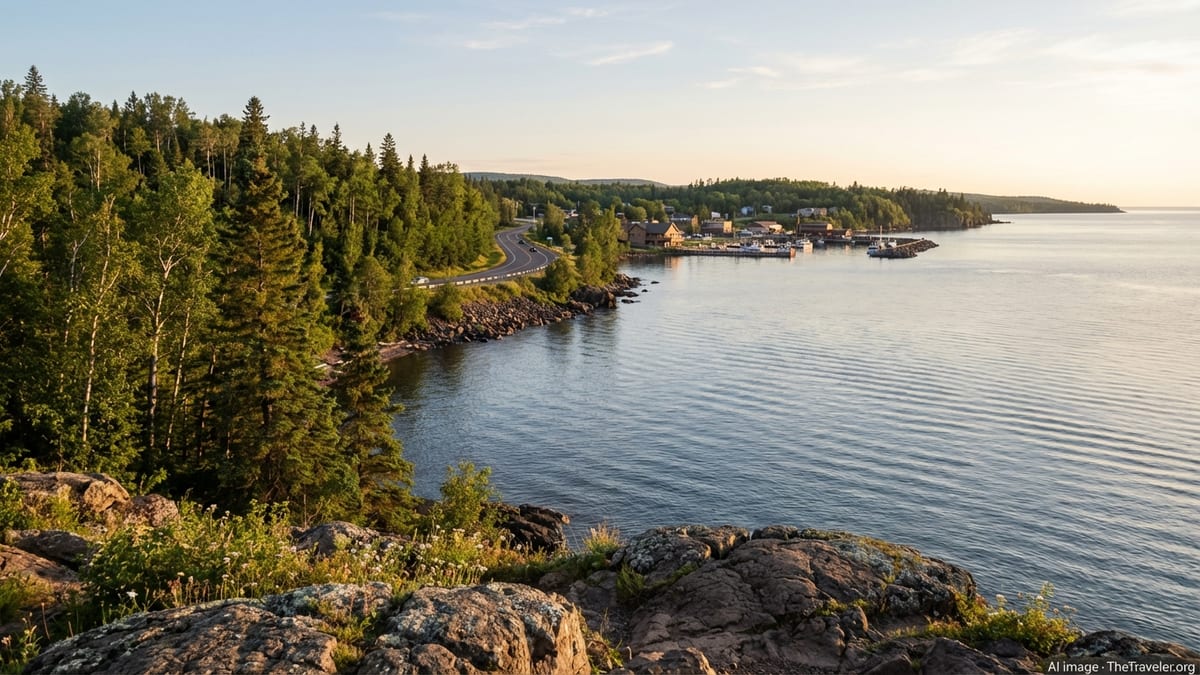
Minnesota’s stretch of Lake Superior shoreline between Duluth and the Canadian border is one of the region’s signature road trips. The route follows cliffs and rocky beaches, with frequent pullouts for views of the lake’s expansive horizon. Duluth, at the southern end of the drive, blends industrial harbor views with hillside neighborhoods and a revitalized waterfront district. Canal Park, with its lift bridge and shipping traffic, is a natural place to begin a visit, while the Lakewalk offers a scenic route for pedestrians and cyclists along the water’s edge.
North of Duluth, small harbor towns like Two Harbors and Grand Marais act as staging points for hikes and waterfalls in nearby state parks. Gooseberry Falls, Split Rock Lighthouse, Tettegouche and Temperance River State Parks rank among the most visited in Minnesota, thanks to accessible trails, picnic areas and sweeping lake overlooks. In summer, you can hike to cascades, swim in designated inland river pools and search for agates along pebble beaches. Spring brings powerful snowmelt-fed waterfalls, while autumn showcases bright foliage against the lake’s steel-blue backdrop.
Accommodation options along the North Shore include campgrounds, traditional motels, lakefront lodges and vacation rentals. Many properties prioritize simple comforts like bonfire rings, lake-view seating and direct access to shoreline trails over extensive resort-style amenities. Winter travel here can be rewarding, though conditions can be snowy and icy. Some visitors come specifically for cross-country ski trail networks, fat biking on packed snow and winter photography, while others simply enjoy watching storms roll across the lake from the warmth of a picture window.
Because the North Shore region is popular, especially on summer weekends and during fall color season, try to book lodging and any guided activities well in advance. If you prefer quieter experiences, consider midweek stays or shoulder-season visits in late May, early June or mid-October, when many businesses remain open but trails and overlooks see fewer crowds.
Boundary Waters and Northern Wilderness
The Boundary Waters Canoe Area Wilderness, often abbreviated as BWCAW, protects a vast network of lakes and forests along Minnesota’s northern border with Canada. It is one of the premier paddling destinations in the United States, known for mirror-still waters, loons calling at night and campsites reachable only by canoe and portage trail. Access is regulated through a permit system designed to limit daily entries and preserve a sense of remoteness. From May through September, overnight paddling trips require quota permits tied to specific entry points and dates, which are released each winter and tend to book quickly for popular routes.
Planning a Boundary Waters trip involves more logistics than a typical car camping weekend. You will need to secure permits, choose a route that matches your group’s experience, arrange for canoes and gear and understand regulations around campfires, group size and food storage. Many visitors work with local outfitters in gateway towns such as Ely, Grand Marais or Tofte. These businesses can help with everything from lightweight canoe rentals and route planning to full trip packages that include tents, food and transportation to the entry point. Even if you are an experienced camper, it is wise to review current Forest Service guidelines before you travel, as rules and fire restrictions can change from year to year.
For travelers who want a taste of the northern wilderness without a fully self-guided canoe expedition, there are alternatives. Lodges on the edges of the Boundary Waters offer day paddling, guided fishing and hiking excursions, along with comfortable beds and hot showers at night. Nearby state and national forest campgrounds provide drive-in sites close to quiet lakes and trailheads, ideal for families or first-time visitors. In winter, the same region becomes a place for cross-country skiing, snowshoeing and, for experienced adventurers, wilderness winter camping and dog sled trips.
Whether you are deep within the Boundary Waters or staying just outside its borders, nights in northern Minnesota can be strikingly dark, which increases your chances of seeing star fields and occasional displays of northern lights. Late summer and autumn often offer long, clear nights, although sightings are never guaranteed. Pack warm layers even in July and August, as temperatures can cool quickly after sunset, especially on or near the water.
State Parks, Trails and Outdoor Experiences Beyond the North
Minnesota’s state park system is one of the oldest and most visited in the country, with dozens of parks and recreation areas scattered across prairies, river valleys and forests. Visitors log many millions of visits each year, reflecting a local culture that treats parks as everyday extensions of backyards. Well-known sites include Itasca State Park, where you can walk across the headwaters of the Mississippi River, and Interstate State Park along the St. Croix River, famous for its glacial potholes and riverside rock formations. Even near the Twin Cities, parks such as Fort Snelling and Afton provide quick escapes to wooded trails, river beaches and birdwatching spots.
Beyond traditional hiking and camping, Minnesota caters to a range of outdoor interests. Cyclists can explore urban trails in Minneapolis and Saint Paul or tackle long-distance routes that link smaller towns and scenic regions. Some rail trails follow former railroad corridors through forests and farmland, blending gentle grades with frequent trail towns where you can stop for lunch or coffee. Paddlers have access to designated water trails on major rivers, including segments suitable for novice day trips and others that support multi-day journeys.
Wildlife watching is another quiet highlight. Depending on the region and season, patient observers may spot white-tailed deer, black bears, foxes, eagles, loons and migratory waterfowl. Wetland refuges and large forested areas in northern and western Minnesota can be particularly rewarding for birders, especially during spring and fall migration. Respectful distances and adherence to posted guidelines are important for both visitor safety and animal welfare, so pack binoculars and a field guide rather than trying to approach wildlife too closely.
In winter, the combination of snow, groomed trails and extended cold creates consistent conditions for cross-country skiing, snowmobiling and ice fishing. Many communities maintain lit ski loops or ice rinks, and regional trails welcome snowmobile riders who follow designated routes. Travelers unaccustomed to cold-weather activity should invest in quality base layers, insulated outerwear and waterproof footwear, then plan shorter outings at first to gauge comfort levels in the climate.
Practical Tips: Weather, Culture and Responsible Travel
Preparing for Minnesota’s climate is one of the most important steps you can take for a comfortable trip. In summer, pack light, breathable clothing, sun protection and layers for cool evenings near the water. Mosquitoes can be active in many areas, particularly around dusk and in wetlands, so bring repellent and consider light long sleeves and pants for evenings outdoors. In shoulder seasons, conditions can swing between warm sun and cold rain within a day, making a waterproof shell and versatile insulating layer essential.
Winter visitors should respect the cold, which can be intense but also invigorating when you are properly dressed. Think in terms of multiple layers that trap warm air, rather than a single heavy coat. Waterproof boots with good traction, insulated gloves, a hat that covers the ears and a scarf or face covering all contribute to comfort. Check weather forecasts and local advisories, especially when driving outside the metro, and allow extra travel time for snowy or icy roads.
Culturally, Minnesota combines Midwestern reserve with a strong sense of community. People may be polite but not overly effusive at first, yet you will often find extensive local volunteer networks supporting parks, festivals and neighborhood events. The state’s Indigenous nations, including Dakota and Ojibwe communities, have deep ties to the land and waters that predate statehood by centuries. Travelers can seek out cultural centers, powwows and interpretive exhibits that present Native histories and contemporary life from community perspectives, and should approach sacred sites and treaty lands with respect.
Responsible travel practices matter throughout the state. On trails and in wilderness areas, follow Leave No Trace principles by packing out trash, staying on marked routes and minimizing campfire impacts. On the water, wear life jackets, be mindful of invasive species regulations when moving boats between lakes and learn local boating etiquette, such as slowing in no-wake zones. Supporting locally owned businesses, from outfitters and guides to diners and galleries, helps sustain the small towns and neighborhoods that make Minnesota a welcoming place to explore.
The Takeaway
Minnesota’s appeal lies in how naturally its cities and landscapes fit together. You can spend the morning walking a riverfront trail in the heart of Minneapolis, drive a few hours through farm fields and forests, then end the day listening to loons on a remote lake. The state offers big horizons without the crush of mega-resort development, which gives travelers room to shape trips around their own pace and interests. Whether you prefer gallery hopping, cabin porches, long paddling days or snowy trail networks, you will find spaces here where the experience still feels personal.
For a first visit, combining time in the Twin Cities with a loop toward Lake Superior or central lake country provides a well-rounded introduction to Minnesota’s character. Give yourself enough days to sit by the water without a schedule, to stroll unfamiliar neighborhoods and to adjust your plans around changing weather or a local’s suggestion. With a bit of planning and a willingness to embrace the elements, the North Star State rewards curiosity in every season.
FAQ
Q1. When is the best time of year to visit Minnesota?
The most popular months are June through September for warm-weather lake trips and October for fall color, but winter offers excellent snow sports if you enjoy cold conditions.
Q2. How many days should I plan for a first trip to Minnesota?
Aim for at least five to seven days so you can spend a few nights in the Twin Cities and still have time for a side trip to lake country or the North Shore.
Q3. Do I need a car to explore Minnesota?
You can navigate Minneapolis and Saint Paul using transit, biking and ride shares, but a car is highly recommended for reaching state parks, lake regions and northern towns.
Q4. Is the Boundary Waters Canoe Area Wilderness suitable for beginners?
Yes, if you choose an easier route, travel with experienced companions or hire an outfitter. First-timers should start with shorter trips and review current permit and safety guidelines.
Q5. What should I pack for a summer lake or camping trip?
Bring light layers, a waterproof jacket, sturdy footwear, sun protection, insect repellent, swimwear and warmer clothes for cool evenings, especially in northern regions.
Q6. How cold does it get in winter, and can visitors still enjoy the outdoors?
Temperatures can drop well below freezing, but with insulated layers, waterproof boots, hats and gloves, visitors can comfortably enjoy skiing, snowshoeing and other winter activities.
Q7. Are Minnesota’s lakes safe for swimming?
Most popular swimming beaches are monitored and signed, but always follow posted advisories, stay within designated areas and use extra caution with children or in cold water.
Q8. What are some family-friendly activities in the Twin Cities?
Families enjoy urban lakes, playgrounds, zoos, science and history museums, riverfront trails and seasonal festivals, many of which offer hands-on exhibits and outdoor space.
Q9. Do I need to worry about wildlife when camping?
Common-sense precautions, such as storing food securely, keeping a clean campsite and respecting posted rules, greatly reduce issues with animals like raccoons, bears or smaller critters.
Q10. How far in advance should I book lodging and permits?
For summer weekends, fall color season and Boundary Waters trips, plan several months ahead. Midweek and shoulder-season stays often allow more flexibility but still benefit from early reservations.