

The upper Midwest has quietly become one of North America’s most compelling regions for road trips, freshwater escapes and easygoing city breaks. Anchored by the Great Lakes and laced with forests, rivers and small towns, Minnesota, Wisconsin and Michigan each make a strong case as the best Great Lakes state to visit. Choosing between them comes down less to which is objectively “best” and more to which matches the kind of trip you want to have and the time of year you plan to travel.
Great Lakes Scenery and Outdoor Adventure
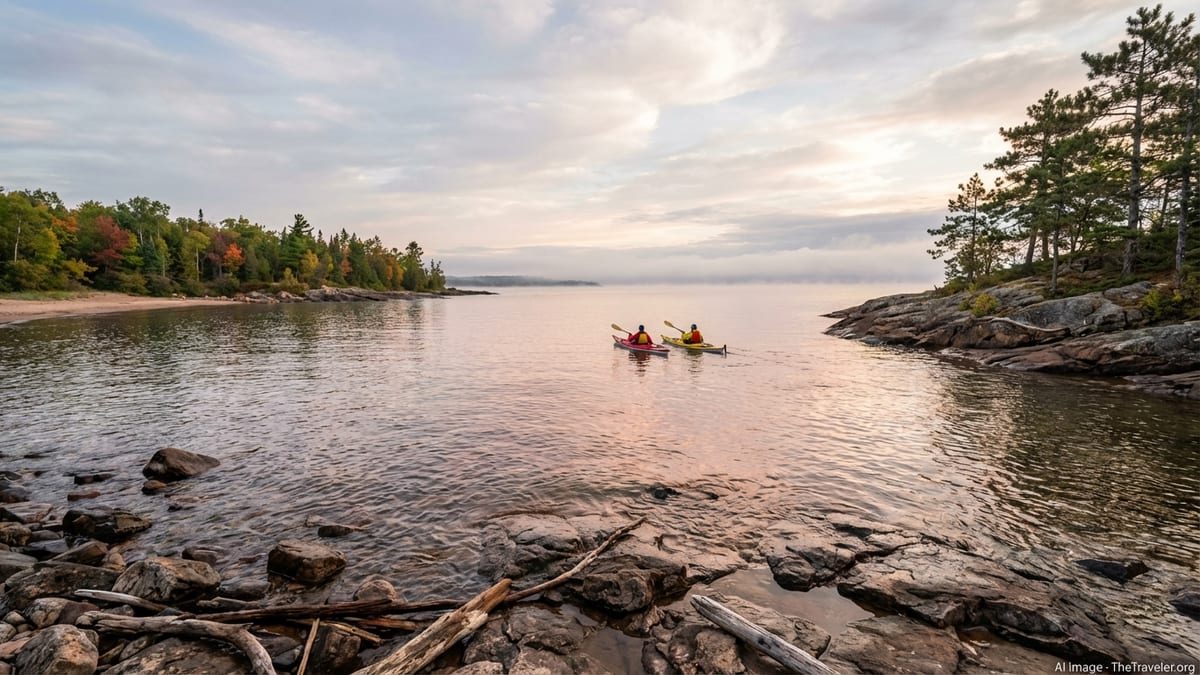
If your idea of a perfect trip involves big water, rocky shorelines and dense forest, all three states deliver, but in different ways. Minnesota’s short stretch of Lake Superior shoreline feels dramatic and wild, with lighthouses, pebble beaches and waterfalls packed into the North Shore drive between Duluth and Grand Marais. State parks along this corridor offer miles of hiking, accessible overlooks and some of the region’s most photogenic fall color. Inland, the state is dotted with thousands of lakes that support paddling, fishing and cabin getaways in a landscape that feels quiet and lightly developed compared with many resort regions.
Wisconsin’s relationship with water is more varied. It offers Lake Superior coastline at the Apostle Islands, where sea caves, island lighthouses and kayak routes create a maritime feel in miniature. Along Lake Michigan, places like Door County mix gentle bluffs, cherry orchards and harbor towns, ideal for slower-paced vacations and family trips. The state is also famous for its inland water playgrounds, from the Wisconsin Dells lake and river region to deep forest chains of lakes in the Northwoods that fill up with anglers and pontoon boats each summer.
Michigan arguably offers the most dramatic range of Great Lakes scenery. The Upper Peninsula alone packs in rugged Lake Superior shores, vast forest, waterfalls and sandy stretches along three different Great Lakes. Mackinac Island and the surrounding state parkland deliver classic island views, limestone bluffs and car-free roads, while the Sleeping Bear Dunes area on Lake Michigan is renowned for towering dunes and sweeping freshwater vistas. Downstate, the coast unfolds in a long string of beach towns and state parks that feel made for long weekends and sunset-watching.
For travelers prioritizing raw, varied shoreline, Michigan usually comes out ahead, with Minnesota a close second for those who like their scenery compact and dramatic. Wisconsin shines if you want water access mixed with farmland, small towns and a softer, pastoral landscape.
Cities, Culture and Food
Urban travelers will find something to like in all three states, but the character of their cities is distinct. Minnesota’s Twin Cities of Minneapolis and Saint Paul feel polished and arts-driven, with museums, theaters, live music venues and riverfront parks that lend themselves to long weekends. Neighborhood food scenes lean into both global flavors and Scandinavian and Upper Midwest comfort cooking. Duluth, perched along Lake Superior, adds a smaller, outdoorsy city option with a walkable canal district and easy access to hiking and paddling.
Wisconsin’s largest city, Milwaukee, combines industrial heritage with a revitalized riverfront and lakefront. Breweries, beer gardens, a growing food scene and a packed summer festival calendar give the city a sociable energy, while the lakefront museums and beaches provide scenic counterpoints. Madison, the state capital and a prominent college town, brings a progressive, bikeable atmosphere, with a celebrated farmers’ market, lakeside paths and a tight, walkable core around the capitol building.
Michigan’s urban draw centers on Detroit, Grand Rapids and a constellation of smaller cities. Detroit has been steadily building momentum as a destination, with a revitalized downtown, strong music and arts heritage, and major museums. Grand Rapids offers a compact city break with craft breweries, riverfront paths and seasonal festivals, appealing to travelers who like a smaller-scale urban experience. Farther north, cities such as Marquette and Traverse City blur the line between town and resort, offering cultural amenities while sitting within minutes of beaches and trails.
When it comes to food, Wisconsin is the obvious choice for travelers who prioritize cheese, beer and supper club culture. Minnesota and Michigan counter with strong farm-to-table scenes, diverse immigrant cuisines and lake-focused dining that makes the most of freshwater fish. For city and culture focused itineraries, Minnesota’s Twin Cities feel the most cosmopolitan, while Wisconsin’s Milwaukee and Madison offer the most distinctive local flavor and Michigan’s cities provide a mix of grit, creativity and access to nearby nature.
Seasonal Travel: When Each State Shines
Choosing the best Great Lakes state to visit often starts with the calendar. Winters across all three tend to be long, snowy and cold, but how they are experienced varies. Minnesota leans into winter sports with cross-country ski trails, snowshoe routes and ice fishing on countless lakes. Northern Wisconsin and Michigan’s Upper Peninsula are similarly snow-reliable, attracting snowmobilers and skiers who are comfortable traveling in more remote conditions. If you enjoy winter, all three offer rewarding trips, but conditions can be harsh and travel requires flexibility.
Summer is peak season almost everywhere in the region, especially along popular lake coasts and in well-known resort towns. Minnesota’s cabin culture is in full swing, with inland lakes busy but still feeling relatively low-key outside the most famous areas. Wisconsin’s lake country and water park hubs can feel lively and sometimes crowded, but also offer a wide range of lodging and activities for families. Michigan’s beach towns and island destinations are at their most vibrant, with long days on the water and warm, swimmable temperatures on many Lake Michigan beaches by mid-summer.
Spring and fall are where these states truly reward flexible travelers. In spring, snowmelt swells waterfalls in Minnesota’s and Michigan’s northern parks, and small towns begin to reopen seasonal attractions without the pressure of summer crowds. Wisconsin’s rolling farmland and orchards wake up more gradually, offering quiet drives and early-season hikes. Fall colors can be spectacular across the region, especially along Lake Superior and in higher-elevation forests in northern Minnesota, northern Wisconsin and the Upper Peninsula of Michigan. Crisp air, clear light and active wildlife make autumn weekends an excellent time for road trips and hiking if you are prepared for cool nights.
If you are timing a first visit around weather alone, summer and early fall tend to offer the most consistent conditions and full access to attractions, with Michigan and Wisconsin slightly warmer on average along their southern coasts and Minnesota showing its best along the North Shore and lake country as the leaves begin to turn.
Road Trips, Small Towns and Scenic Drives
All three states reward unhurried driving, with two-lane highways that trace shorelines, cut through forests and connect clusters of small towns. Minnesota’s signature drives include the route from Duluth north to the Canadian border along Lake Superior, where every hour brings another trailhead, waterfall or harbor town. Inland, routes that meander through central lake regions and up toward the Iron Range offer glimpses of working forests and low-key resort communities.
Wisconsin excels at mixing natural scenery with farm landscapes and village stops. The drive up the Door Peninsula passes orchards, bays and small waterfront communities, making it ideal for long weekends filled with short hops rather than long days in the car. Farther inland, routes through the Driftless Area in the southwest show off hills, rivers and small towns that escaped glaciation and feel distinct from the flatter landscapes to the west and south. Classic supper clubs, barns and farm stands along the way reinforce the state’s rural character.
Michigan’s road trip potential feels almost endless, especially once you factor in the Upper Peninsula. You can follow the Lake Michigan shore up through beach towns and dunes, then cross the Mackinac Bridge into wilder territory where long stretches of highway pass forest, shoreline and small communities that cater to travelers with campgrounds, motels and diners. The Lake Superior shoreline in Michigan offers some of the region’s most dramatic waterfront drives, especially near major parks and historic lighthouses.
For travelers who love stringing together short scenic hops with frequent stops in colorful small towns, Wisconsin may edge out the others. Those seeking grander, more remote-feeling drives will find Michigan hard to beat, especially if they include the Upper Peninsula. Minnesota sits comfortably in between, particularly strong if you focus your driving on the North Shore and nearby inland routes.
Family Travel and First-Time Visitors
For families, predictability and easy access often matter as much as scenery. Wisconsin may be the most straightforward recommendation for a first Great Lakes family vacation. The state’s water park capital, lake resorts and mid-size cities offer a dense concentration of kid-friendly attractions, varied lodging and dining options that rarely feel intimidating for first-time visitors. Large annual events, such as the long-running state fair near Milwaukee, add to the family appeal in late summer.
Minnesota works especially well for families who enjoy cabin time, lakes and accessible outdoor adventures. Many lake regions balance rustic surroundings with practical amenities, and popular state parks are usually well signed and easy to navigate. Minneapolis and Saint Paul provide an urban anchor with museums, sports and cultural attractions that can be paired with short drives to lakes and trails, making it easy to combine city and nature in a single trip.
Michigan can be an excellent family destination, particularly around well-known beach towns, Mackinac Island and the more accessible parts of the Upper Peninsula. Beach days, bike rides, lighthouse visits and short hikes combine into itineraries that keep kids active and close to the water. Some of Michigan’s most spectacular areas are more spread out and require longer drives, so it helps families who are comfortable with road tripping and planning lodging ahead of time in peak season.
For first-time visitors who want something easy, varied and compact, Wisconsin is often the most approachable choice. Travelers already familiar with lake vacations may gravitate to Minnesota’s cabin culture or Michigan’s beaches and islands, especially if they are ready to commit to more driving in exchange for quieter or more dramatic settings.
Cost, Crowds and Practical Considerations
Budgets and crowd tolerance can tip the scales when deciding between these three states. In general, all offer a wide range of price points, and outside peak summer weekends it is still possible to find relatively good value compared with more famous coastal destinations. However, specific hotspots in each state can feel crowded and pricey in July and August, especially popular beach towns, island centers and major lake resorts.
Wisconsin’s broad mix of mid-priced lodging, family-owned motels and campgrounds often provides solid value, particularly in regions a bit removed from the most famous destinations. Its cities are relatively easy to navigate and tend to offer a full range of accommodations, from budget to boutique, without the same level of seasonal price spikes you find in more tourist-dependent areas.
Minnesota’s prices vary widely between its urban cores, popular lake regions and more remote areas. Cabin rentals on desirable lakes can command higher rates in summer and fall, but travelers who are flexible about specific locations often find better deals a bit away from the main corridors. The state’s strong network of public lands and state parks also helps keep activity costs manageable, especially for travelers who are comfortable building their trips around hiking, paddling and picnicking rather than ticketed attractions.
Michigan’s most popular coastal and island destinations can be among the busiest and costliest spots in the Great Lakes region at the height of summer. Booking well ahead is important if you want specific accommodations or ferry times, and budget-conscious travelers may prefer shoulder seasons or less famous towns along the same stretches of coast. That said, Michigan still has many inland communities and stretches of shoreline where prices remain relatively moderate, especially outside weekends and major holidays.
Across all three states, access by car is straightforward, with interstate routes feeding into scenic two-lane highways. Air access centers on key cities such as Minneapolis, Milwaukee and Detroit, with smaller regional airports offering seasonal and connecting service. Travelers who value ease of arrival and shorter onward drives may lean toward city-based itineraries in Minnesota and Wisconsin, or toward Michigan’s more accessible southern and western coasts.
The Takeaway
There is no single best Great Lakes state to visit in every situation. Instead, Minnesota, Wisconsin and Michigan each excel for different types of trips and travelers. If you are drawn to arts-driven cities, countless inland lakes and compact but dramatic Lake Superior scenery, Minnesota may be your best fit. If you want approachable road trips, classic small towns, lake country resorts and a strong food and festival culture, Wisconsin makes a compelling case. If your priority is the broadest possible range of Great Lakes shorelines, from sandy beaches to rugged cliffs, and you do not mind longer drives, Michigan is hard to beat.
The good news is that these states are close enough that many travelers can experience more than one on a single extended trip. A loop that combines Minnesota’s North Shore, Wisconsin’s harbor towns and Michigan’s island or dune country offers a deep introduction to the region’s landscapes and communities. Whether you start with a long weekend or a full two-week road trip, the key is to match your route and timing to what you value most: city life or solitude, beaches or forests, festivals or quiet cabins on the lake.
Whichever state you choose first, it will likely not be your last. The combination of freshwater, forests and friendly towns has a way of pulling travelers back, season after season, to explore a little farther along the Great Lakes and a little deeper into the heart of the upper Midwest.
FAQ
Q1. Which Great Lakes state is best for a first-time visitor?
Minnesota, Wisconsin and Michigan all work for first-time visitors, but Wisconsin is often the most approachable thanks to its compact cities, family-focused attractions and well-known lake and water park regions that are easy to navigate.
Q2. Which state has the most impressive Great Lakes scenery?
Michigan generally offers the widest range of Great Lakes landscapes, from the dunes and beaches of its Lower Peninsula to the rugged, forested shorelines and waterfalls of the Upper Peninsula.
Q3. Where should I go for the best small-town and road trip experience?
All three states have memorable small towns, but Wisconsin stands out for relaxed two-lane drives that link farm country, harbor villages and classic supper clubs in an easygoing loop.
Q4. Which state is best if I want a mix of city and nature in one trip?
Minnesota is a strong choice if you want to combine an arts-focused city break in Minneapolis and Saint Paul with nearby lake country and scenic Lake Superior parks along the North Shore.
Q5. Is winter a good time to visit these Great Lakes states?
Winter can be rewarding if you enjoy snow sports, especially in northern Minnesota, northern Wisconsin and Michigan’s Upper Peninsula, but conditions are cold and travel requires flexibility and proper gear.
Q6. Which state is most budget friendly?
Costs vary within each state, but Wisconsin often provides good overall value with a wide selection of mid-range lodging, campgrounds and low-cost outdoor activities, particularly outside peak holiday weekends.
Q7. What is the best time of year for a Great Lakes road trip?
Late spring through early fall typically offers the best combination of open attractions, manageable weather and long daylight hours, with early fall adding spectacular foliage along many lake and forest routes.
Q8. Which state is best for beach-focused vacations?
Michigan is usually the top pick for classic beach trips, especially along its Lake Michigan coast, where you will find long sandy stretches, dunes and numerous beach towns.
Q9. Can I visit more than one state in a single trip?
Yes, many itineraries easily link all three states, for example by following Lake Superior’s southern shore, looping through northern Wisconsin’s lake country and continuing into Michigan’s Upper Peninsula and coastal towns.
Q10. How far in advance should I book lodging in these states?
For peak summer and popular fall weekends, booking several months ahead is wise in all three states, especially for island stays, lakefront cabins and high-demand coastal towns that sell out early.