

More news on this day
In Mission Viejo, California, the demolition of a long-vacant Bed Bath & Beyond store is clearing the way for something entirely new for the community and for Costco itself: the company’s first-ever standalone gas station, a fuel-only hub that is reshaping both a key shopping center and local expectations about convenience and cost at the pump.
Get the latest news straight to your inbox!
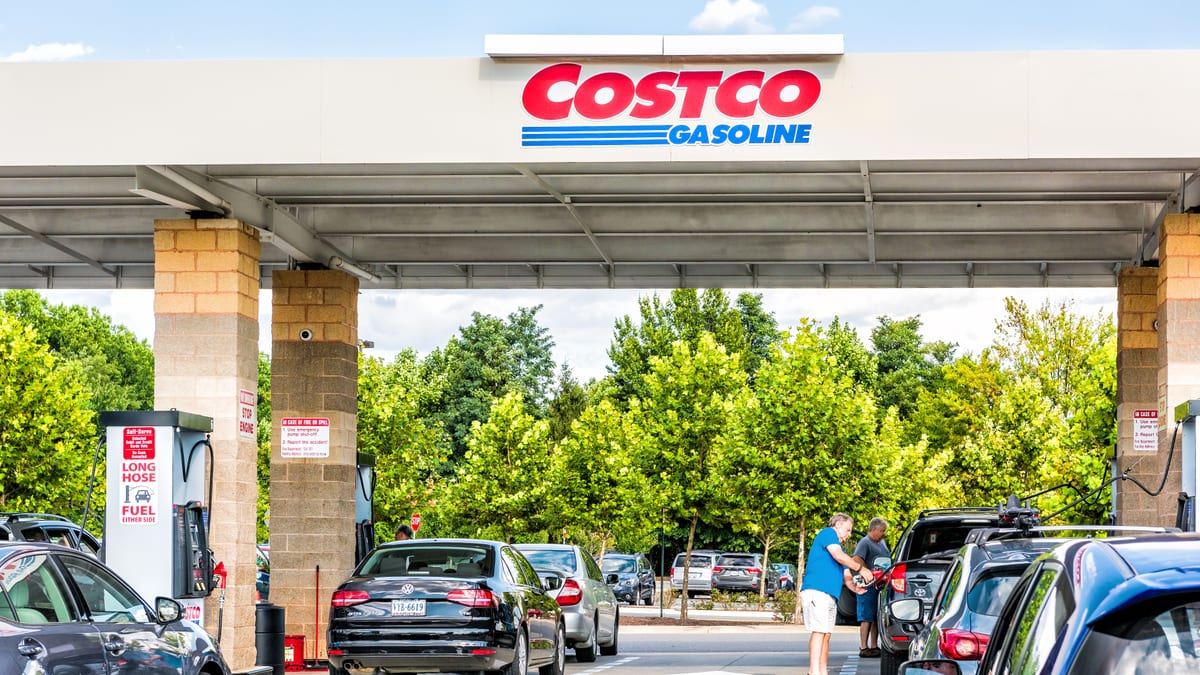
Image by TheTravel
A Vacant Big-Box Site Becomes a Fuel Powerhouse
The standalone Costco fuel facility is rising at 25732 El Paseo in the Mission Viejo Freeway Center, just off Interstate 5. Publicly available planning documents describe the project as a complete teardown of the former Bed Bath & Beyond building, which had sat shuttered following the home-goods chain’s well-publicized bankruptcy and exit from brick-and-mortar retail.
In place of aisles of towels and kitchenware, Costco is constructing a 17,000-plus-square-foot fueling canopy paired with support space for staff. The site is designed as a fuel-only operation, with no on-site warehouse store or traditional convenience shop. The nearest full Costco warehouse, in Laguna Niguel, sits roughly two to three miles away.
Civic materials and industry trade coverage indicate that the Mission Viejo project is set to become Costco’s largest retail fuel location to date, with room for 20 multi-product dispensers serving a total of 40 fueling positions. For drivers accustomed to long lines at popular Costco pumps elsewhere in Orange County, that scale is a central part of the appeal.
The redevelopment also marks another chapter in the rapid repurposing of former Bed Bath & Beyond boxes across the United States. While some cities have seen those large footprints turned into discount clubs, fitness centers, or indoor sports venues, Mission Viejo’s choice to lean into fuel retail gives the aging freeway center a new anchor focused squarely on daily travel needs.
First Standalone Costco Gas Station Signals Strategic Shift
Industry analysts note that Costco’s business model has long used fuel as a traffic-driver for its membership warehouses, with gas stations typically tucked into adjacent pads or peripheral corners of shopping centers. Turning the Mission Viejo site into a standalone fuel destination is seen as a strategic experiment in decoupling gasoline sales from warehouse shopping.
According to energy-market reporting and retail fuel data, Costco has become one of California’s dominant gasoline players, with a statewide market share that trails only Chevron. Company-operated stations are often cited for pricing that undercuts local averages by notable margins, drawing queues of budget-conscious drivers even during periods of high oil prices.
Creating a large, fuel-only site in a suburban corridor allows Costco to extend that pricing strategy without the constraints of an existing warehouse footprint. The Mission Viejo location is effectively positioned as a regional fuel magnet, capturing commuters moving along Interstate 5 as well as residents of surrounding neighborhoods who already rely on the freeway center’s mix of shops and restaurants.
Observers in the fuel retail sector are watching closely to see whether the Mission Viejo experiment leads to similar standalone projects near other high-traffic corridors, especially where land once occupied by big-box retailers has become available and zoning rules are favorable to new fueling infrastructure.
Local Excitement and Traffic Questions Around the Freeway Center
As demolition work progresses and construction fencing surrounds the old Bed Bath & Beyond footprint, many Mission Viejo residents have taken to local forums and community boards to share a mix of enthusiasm and concern. The promise of lower gas prices and shorter drives for Costco fuel is widely welcomed, particularly by existing members who currently detour to other cities to fill up.
At the same time, the scale of the project has raised questions about traffic circulation in and out of the Mission Viejo Freeway Center. The complex is accessed primarily from El Paseo, and regular visitors note that the single main entrance can already become congested during peak shopping periods and holiday weekends.
City planning records show that transportation impacts were a key focus during the review process, with traffic studies commissioned to assess queue lengths, turn movements, and potential spillover onto nearby intersections. The high number of pumps is intended not only to move vehicles through quickly but also to reduce the risk of lines backing up into the shopping center’s internal drive aisles.
Some residents have called for ongoing monitoring once the station opens, arguing that the full effect on congestion will only become clear when Costco’s fuel discounts begin drawing steady demand. For now, many are simply relieved to see a long-empty storefront transitioning into an active use rather than continuing to sit dark alongside the freeway.
Part of a Broader Wave of Post-Retail Redevelopment
The Mission Viejo project reflects a national pattern in which former big-box and mall spaces are being reimagined after high-profile retail closures. Bed Bath & Beyond’s bankruptcy left dozens of sizable boxes across the country, and landlords have been quick to explore alternative uses ranging from entertainment venues and medical offices to fulfillment hubs and, in some cases, car-centric services.
Urban planners describe this shift as a pragmatic response to changing shopping habits and the rise of e-commerce. Sites originally configured for large-format home-goods stores often feature generous parking, prime arterial frontage, and established utility connections, making them attractive for uses that depend on easy vehicle access, including fuel stations.
In Southern California, other former big-box sites have already been converted into expanded warehouse gas fields, car washes, and hybrid retail concepts that blend drive-through services with smaller footprint shops. The standalone nature of the Mission Viejo Costco gas station is distinctive, but the broader trajectory of turning underused retail real estate into more traffic-oriented infrastructure is well established across the region.
For Mission Viejo, the shift means that a once-quiet corner of the freeway center is poised to become one of its busiest nodes, linking regional transportation patterns with the daily routines of residents who may rarely have set foot in the now-demolished home-goods store.
What Drivers Can Expect When Pumps Come Online
Costco and city materials indicate that the new standalone station is targeting an opening around mid-2026, placing it on track to welcome drivers following the completion of demolition, site work, and canopy construction. Once operational, the facility is expected to follow Costco’s familiar member-only model, with payment limited to accepted cards and mobile methods tied to the warehouse chain.
The 40 fueling positions are designed to accommodate a continuous flow of vehicles, with long staging lanes meant to keep queues within the site. Regulars at other Costco stations often point to the importance of clear signage, directional striping, and multiple entrance points to prevent bottlenecks; planners for the Mission Viejo station have emphasized circulation design as a central component of the layout.
Local coverage notes that nearby Costco locations in Orange County already rank among the busiest gas outlets in their respective corridors, particularly during morning and evening commuting windows. If Mission Viejo’s standalone station replicates that intensity, residents may quickly integrate the new pumps into school drop-offs, work commutes, and weekend errand runs.
For now, the rising sound of demolition and site preparation has become a daily reminder that a familiar retail name is giving way to a different kind of roadside landmark. As the former Bed Bath & Beyond disappears from the Mission Viejo skyline, anticipation is building for the moment when its replacement begins drawing the steady stream of vehicles that will define the next chapter for this corner of the city.