

More news on this day
In India’s far northeast, the small hill state of Mizoram is rapidly emerging as a laboratory for how cultural tourism and responsible travel can grow together, reshaping an overlooked corner of the country into a sustainable, year-round destination.
Get the latest news straight to your inbox!
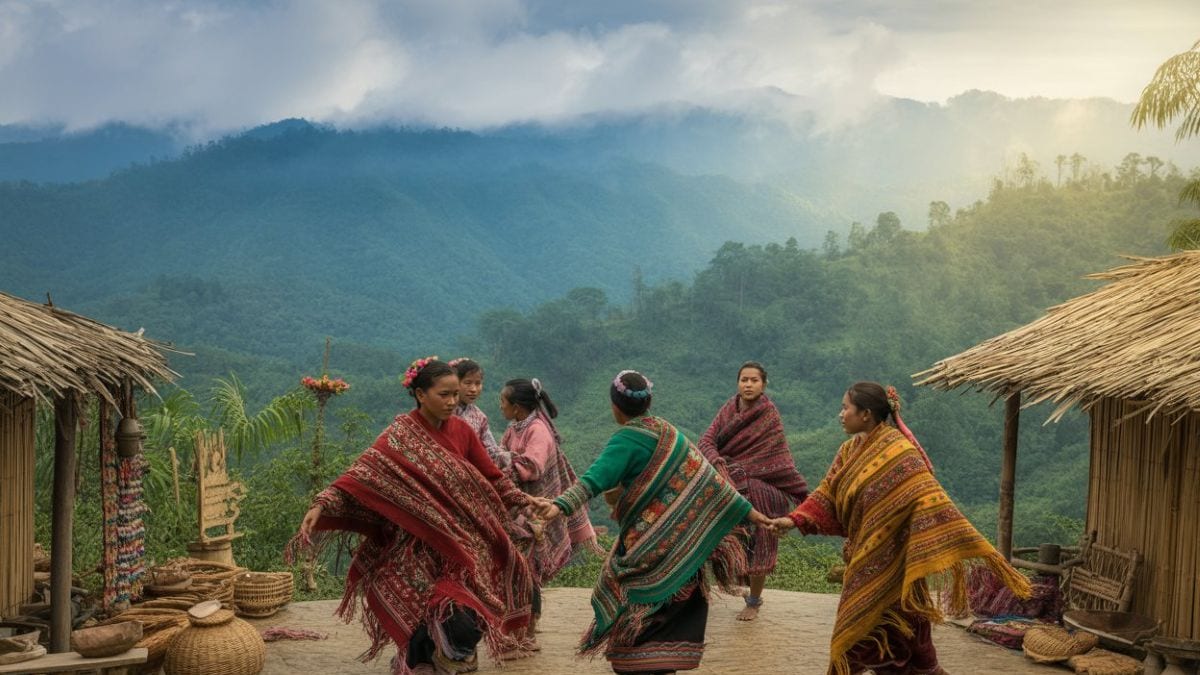
Image by Travel And Tour World
A Culture-Rich State Steps Onto the Global Tourism Map
Long regarded as one of India’s most remote regions, Mizoram is increasingly appearing on travel itineraries as visitors seek lesser-known destinations with strong cultural identities. Publicly available information from tourism reports highlights a sharp rise in domestic arrivals over the past few years, with Aizawl, the state capital, at the core of this growth. Travel industry coverage describes the city as a gateway to hilltop viewpoints, traditional markets and cultural institutions that foreground Mizo history and ways of life.
Recent travel features point to Mizoram’s shift from a niche destination to an emerging hotspot, helped by improved air connectivity, upgraded roads and a more visible presence at national tourism fairs. Commentators note that the state is being promoted not only for its scenery but also for its community-led approach, positioning local residents as central partners in shaping tourism offerings rather than passive bystanders.
Festivals, museums and heritage sites together present a narrative of resilience and continuity. The Mizoram State Museum in Aizawl, for instance, is frequently cited as a key stop for visitors looking to understand traditional dress, crafts and social structures, while heritage villages near Reiek and other hill settlements showcase vernacular architecture and everyday tools in curated settings designed for educational tourism.
This wider attention is prompting a rethinking of how tourism is planned and managed in the state. Policy documents and development plans outline an emphasis on low-impact, higher-value travel, with stress on preserving cultural integrity, limiting environmental degradation and distributing economic gains to remote hill communities.
Festivals and Heritage Villages at the Heart of the Experience
Mizoram’s festival calendar has become one of its most powerful tourism assets, with cultural celebrations repackaged as anchor events for both domestic and international travelers. Government-backed calendars for 2025 and 2026 highlight a year-round sequence of events, from autumn travel fairs in Aizawl to the Anthurium Festival in Reiek and winter gatherings that blend music, markets and traditional performances.
Coverage of these festivals underscores how they showcase signature Mizo dances such as the bamboo-based Cheraw, alongside folk songs, sporting competitions and indigenous cuisine. Events like the Thalfavang Kut harvest festival are regularly promoted as immersive opportunities for visitors to witness village rituals, handicraft displays and agricultural traditions that have long shaped life in the Lushai Hills.
Heritage villages and themed tourism complexes are reinforcing that message on a more permanent basis. At the Reiek Heritage Village near Aizawl, reconstructed tribal huts, chief’s houses and community dormitories give travelers a sense of pre-modern settlement patterns. Travel media describe these sites as open-air museums where local guides explain kinship systems, agricultural cycles and clan histories, while artisans demonstrate weaving, bamboo work and woodcraft.
New cultural initiatives continue to appear on the calendar. Reports on the Tlaizawng Paradise festival in Saitual district in early 2026, for example, describe a hybrid of eco-tourism, outdoor adventure and cultural showcase, with stalls for local handloom and handicraft cooperatives alongside guided treks and village-based stays. Observers see such events as test beds for how small districts can build their own visitor identities without sacrificing community priorities.
Responsible Travel, Codes of Conduct and Community Homestays
Alongside the expansion of festivals and attractions, Mizoram is also tightening its framework for responsible tourism. State tourism documents, including a dedicated ecotourism policy and formal homestay guidelines, set out expectations for nature-based activities, village visits and accommodation standards. These texts repeatedly stress low-impact infrastructure, careful waste management and respect for local customs.
The emphasis on behavior extends to visitors. In March 2026, a prominent student organization in the state issued a detailed tourist advisory that circulated widely on social media, calling for cultural sensitivity, modest dress in certain public spaces and respect for photography norms. The advisory framed hospitality as a core Mizo value but warned against misrepresentation of local culture, reflecting growing public debate over how tourism should evolve in a state where many communities retain strong traditional codes.
Homestays are a central pillar of this model. Official guidelines encourage homeowners to convert spare rooms into guest accommodation, provided they meet basic safety, hygiene and registration standards. Public information on these rules stresses that hosts must remain resident in the property, reinforcing the idea that travelers are guests in family homes rather than anonymous customers in commercial lodgings.
Observers note that in practice, these homestays offer more than just a bed. Guests often share meals made with locally grown produce, spend evenings learning about clan histories or religious practices, and gain a closer understanding of daily routines such as jhum field visits, church gatherings or community workdays. For families, the additional income can help finance education, invest in better housing and support traditional livelihoods that might otherwise struggle to compete with urban migration.
Eco-Tourism Policies and the Push for Sustainable Growth
Mizoram’s approach to tourism is underpinned by formal policies that frame travel as a tool for conservation as well as development. The state’s ecotourism policy, notified through the Mizoram Gazette, promotes community-based initiatives that balance visitor access with protection of forests, wildlife and cultural landscapes. It calls for partnerships between local communities, civil society and government departments to identify sites, manage visitor numbers and share economic benefits.
Implementation is visible in a string of hilltop parks, trekking circuits and nature reserves that double as cultural spaces. Sakawrhmuituai near Aizawl, for instance, has been planned as an eco-adventure circuit with skywalks and ropeways, while Lalsavunga Park and other hill destinations integrate viewpoints, camping areas and picnic spots. Travel coverage describes these projects as attempts to disperse tourism beyond Aizawl while keeping environmental footprints in check.
Economic policy shifts are also being closely watched by tourism stakeholders. National and regional business media have reported on tax rationalization for bamboo and cane products, agro-based goods and mid-range hotel rooms, measures expected to benefit artisans, farmers and hospitality providers. Analysts argue that lower indirect taxes on traditional crafts and processed local produce could strengthen the supply chain that supports souvenirs, food experiences and rural stays.
For travelers, the eco-tourism agenda is beginning to translate into clearer trails, better-marked viewpoints and more structured nature-based itineraries. Tour operators increasingly market multi-day circuits that combine Aizawl’s cultural sites with hikes around Reiek, Hmuifang and lesser-known villages, positioning these routes as low-impact alternatives for visitors accustomed to crowded hill stations elsewhere in India.
What Responsible Visitors Need to Know Before They Go
As Mizoram’s profile rises, travel advisories and community voices stress that the quality of its tourism future will hinge on visitor behavior as much as on policy. Recent online discussions among residents and travelers highlight a consistent message: guests are welcome, but sensitivity to local norms is non-negotiable. Commenters point to expectations around alcohol consumption in public, noise levels in residential areas and photography in religious spaces as examples where misunderstandings can arise.
Potential visitors are advised to treat Aizawl and other towns as functioning communities rather than theme-park backdrops. Simple practices, such as asking permission before photographing people, choosing locally owned accommodation, and dressing modestly in churches and village gatherings, are frequently framed as minimum standards of respect. Travel writers suggest that taking the time to learn a few phrases in Mizo and reading about the state’s history can deepen engagement and avoid inadvertent cultural missteps.
Seasonal planning is another consideration. With a tourism calendar that now includes travel fairs, harvest festivals, cherry blossom events and winter music gatherings, prospective travelers are encouraged to align their trips with cultural highlights. At the same time, local commentators caution that festival periods may bring higher demand on limited infrastructure in small towns, meaning that early bookings and flexible expectations around transport and services are prudent.
For Mizoram, this moment of cultural tourism expansion carries both opportunity and risk. If visitors embrace the principles of responsible travel that the state is working to embed, the result could be a durable model where festivals, homestays and eco-tourism circuits support livelihoods without eroding the cultural fabric that draws travelers in the first place. The coming years will test whether this balance can be maintained as more people arrive in search of what many now describe as one of India’s most distinctive travel experiences.