

More news on this day
High in India’s northeast, Mizoram is undergoing a quiet tourism revolution, repositioning its hills, festivals and village life as the heart of a new, more responsible kind of cultural travel.
Get the latest news straight to your inbox!
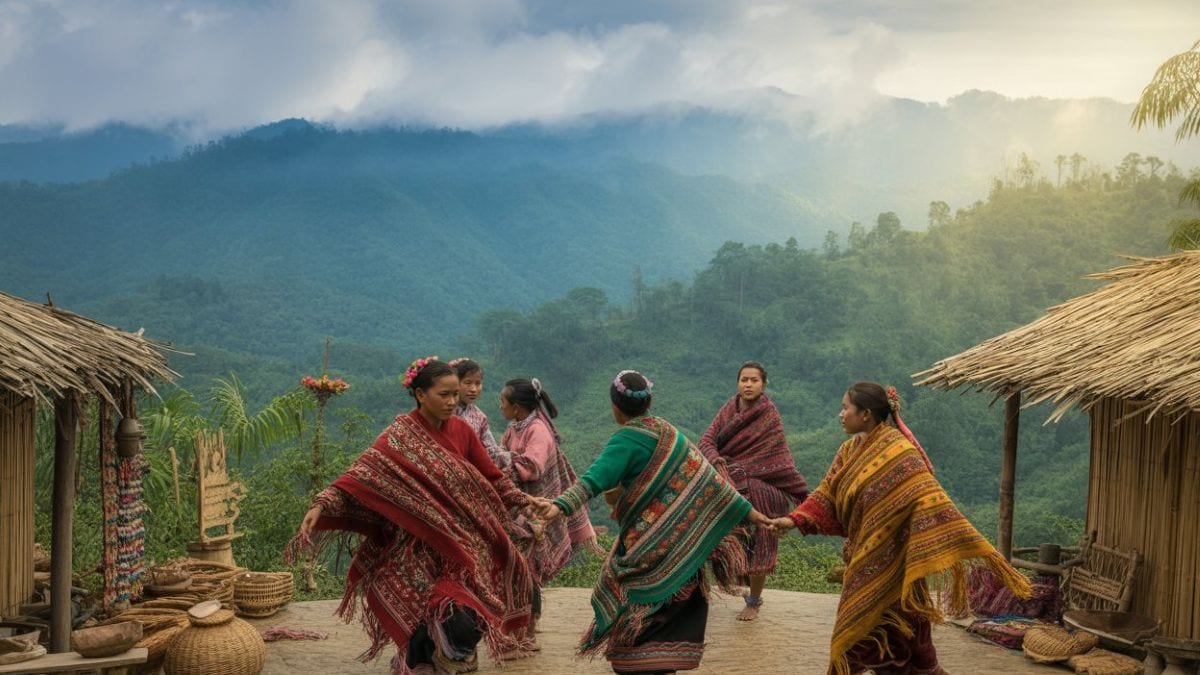
Image by Latest International / Global Travel News, Breaking World Travel News
A Responsible Tourism Policy Reshapes Growth
Publicly available information shows that Mizoram’s rapid rise on India’s tourism map is closely tied to a state-level Responsible Tourism Policy adopted in 2020. The framework places community benefits, cultural preservation and environmental safeguards at the centre of tourism decisions, a contrast to mass-market models seen elsewhere in the region.
Data highlighted by national investment briefings and recent tourism reports indicate that the approach is paying off. The state received just over 196,000 visitors in 2023 and then more than doubled its domestic arrivals in 2024, with early 2025 and 2026 figures pointing to continued strong growth. Rather than chasing volume alone, officials have promoted Mizoram as a high-value, low-impact destination built on immersive cultural encounters.
This policy emphasis is reflected in official planning documents, which prioritise homestays, small-scale eco-resorts and heritage experiences over large, resource-intensive developments. The idea is to treat culture and landscape as assets to be protected, not exploited, positioning Mizoram as a model for sustainable, culturally rooted tourism in the northeastern corridor.
Observers in the travel trade say this shift is also altering traveller expectations. Visitors are increasingly drawn by the promise of village stays, craft workshops and festivals, with the understanding that their spending should support local livelihoods and leave a lighter footprint on fragile hill ecosystems.
Festivals Turn Into Flagships for Cultural Tourism
Mizo festivals have become a core pillar of the state’s tourism strategy, transforming long-standing community celebrations into flagship events for cultural visitors. Seasonal highlights such as Chapchar Kut in spring, the Anthurium Festival, Thalfavang Kut harvest celebrations and a growing calendar of winter festivals are now promoted as anchor experiences for out-of-state and international travellers.
Coverage in travel industry publications notes that these festivals are curated to foreground traditional dance forms, choral music, bamboo and folk instruments, and elaborate indigenous costumes. Food stalls and craft markets bring together rural producers and urban audiences, turning cultural expression into a direct economic opportunity for artisans, farmers and performers.
Recent announcements about new winter festivals in and around Aizawl and cherry blossom zones such as Phuaibuang signal an attempt to spread visitor flows throughout the year. This year-round approach is intended to stabilise incomes for local businesses, from guesthouses and transport providers to weavers and musicians, while avoiding the heavy seasonal peaks that can strain infrastructure.
At the same time, cultural commentators in regional media stress that these events remain rooted in community priorities. Rather than re-staging traditions purely for outside consumption, organisers work with village groups, church choirs and youth bodies so that festival programming continues to reflect living culture, not just performance for tourists.
Village Experiences, Homestays and Community-Based Travel
Parallel to the festival push, Mizoram is steadily promoting village-based tourism as a way for visitors to experience daily Mizo life. Travel features and case studies spotlight destinations such as Thenzawl and other hill villages where travellers can stay in homestays, sample dishes like bai and smoked meats, and observe or join everyday routines from farming to weaving.
An international heritage tourism case study on “Thenzawl Calling” describes how curated itineraries are built around local storytelling, traditional games, handicrafts and visits to nearby natural attractions. The aim is to ensure that residents lead the experience and capture most of the tourism value, while guests gain a deeper understanding of Mizo history, oral traditions and clan-based community structures.
New eco-resorts, small lodges and golf and adventure offerings are being framed within this responsible travel narrative rather than as isolated luxury enclaves. Industry analysis portrays Mizoram as a “high-value destination” where higher-spending visitors are encouraged to stay longer, travel slower and engage more meaningfully with host communities.
For travellers, this means that the state’s most talked-about experiences increasingly involve walking tours through hillside settlements, evenings in village community halls, and time spent learning about customs from elders and youth leaders. The model stands in contrast to quick, checklist-style itineraries that dominate many other destinations in the region.
Cultural Codes of Conduct and Traveller Responsibility
As visitor numbers rise, local civil society groups are moving to safeguard social norms and prevent cultural misrepresentation. In late March 2026, the influential student body Mizo Zirlai Pawl issued a detailed tourist advisory outlining expected behaviour, dress and etiquette, according to summaries shared on public forums.
The code of conduct encourages visitors to dress modestly in public spaces, avoid public displays of affection that may be seen as disrespectful, seek permission before photographing people, and refrain from using local religious or clan symbols as fashion accessories. It also cautions against misusing homestays or community hospitality for parties or activities that conflict with local values.
Commentary from residents on social platforms indicates broad support for the advisory, with many arguing that rapid tourism growth must not blur boundaries around privacy, faith and communal life. Rather than discouraging travel, these discussions frame clear guidelines as a way to protect both visitors and hosts, reducing the risk of misunderstanding.
For responsible travellers, these evolving norms offer a roadmap for engagement. Learning basic phrases in Mizo, asking before entering church compounds or community halls, and being sensitive to the quiet, orderly character of Aizawl and smaller towns are now seen as essential parts of the visitor experience, not optional extras.
What Visitors Need to Know Before Planning a Trip
Prospective visitors are being urged by travel operators and online travel communities to treat Mizoram as a place that rewards slow, thoughtful exploration. This involves planning around festival dates, checking the latest guidance on inner-line or protected area permits for foreign nationals, and allowing time for road travel in a hilly state where distances can be short on the map but long on the ground.
Recent traveller reports emphasise that accommodation options range from basic government lodges and budget hotels to newer eco-resorts and village homestays. Booking in advance during major festivals or winter events is recommended, as capacity in smaller towns remains limited even as demand grows.
Publicly available information shows that authorities are investing in better road connectivity, tourism awareness programmes for local service providers and heritage centres in key cultural hubs. However, infrastructure in rural pockets can still be fragile, making it important for visitors to minimise waste, conserve water and respect restrictions around forests and wildlife.
For those willing to adapt, Mizoram’s cultural tourism revolution offers a preview of what sustainable exploration in sensitive regions might look like in the years ahead. Responsible travel here is not a niche trend but a guiding principle shaping how the state welcomes the world into its hills, churches, markets and village homes.